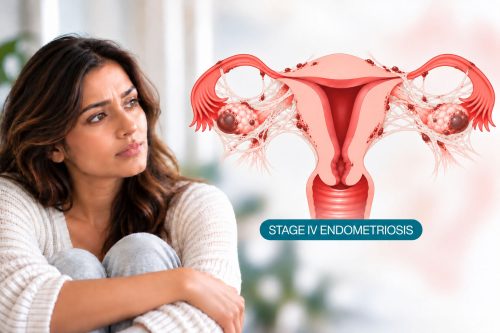
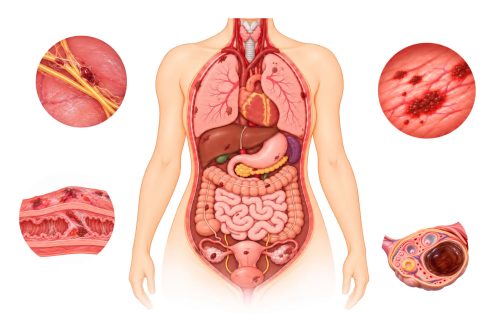
Endometriosis can cause inflammation, fibrosis, and adhesions that make pelvic organs stick to surrounding tissues. Surgery may be used to remove endometriosis and restore anatomy, but surgery itself also creates healing surfaces where new adhesions can potentially develop.
For this reason, reducing postoperative adhesion formation can be an important consideration during endometriosis surgery.
One approach is the use of an absorbable adhesion barrier, which temporarily separates selected tissues while they heal.
What Are Adhesions After Endometriosis Surgery?
Adhesions are bands of scar-like tissue that form between tissues or organs that would normally remain separate.
Endometriosis itself can cause adhesions. Chronic inflammation and fibrosis associated with the disease may cause the ovaries, fallopian tubes, uterus, bowel, bladder, or other pelvic structures to become attached to one another.
Adhesions can also develop after pelvic surgery as part of the body’s healing response.
This means that when adhesions are found in someone who has previously undergone endometriosis surgery, they are not necessarily caused by surgery alone. They may have existed before surgery, developed during healing, resulted from persistent or recurrent disease, or reflect a combination of these factors.
Why Can Adhesions Form After Endometriosis Surgery?
Surgery requires tissues to be cut, separated, cauterized, sutured, or otherwise manipulated. These surfaces then undergo a natural healing process.
When two injured or healing surfaces remain in close contact, scar-like tissue can sometimes develop between them, creating an adhesion.
Endometriosis surgery can present an additional challenge because the pelvis may already contain inflammation, fibrosis, endometriomas, or adhesions before the operation begins.
In more advanced cases, normal pelvic anatomy may already be significantly distorted.
What Is an Absorbable Adhesion Barrier?
An absorbable adhesion barrier is a temporary material placed between selected tissue surfaces at the end of surgery.
Its purpose is relatively simple: keep healing surfaces separated during the period when adhesions are most likely to begin forming.
The barrier is designed to remain temporarily and then be absorbed by the body, so another operation is not required to remove it.
What Types of Adhesion Barriers Are Used?
Adhesion barriers are available in several forms. The appropriate type depends on the surgical procedure, the tissues involved, and the specific product being used.
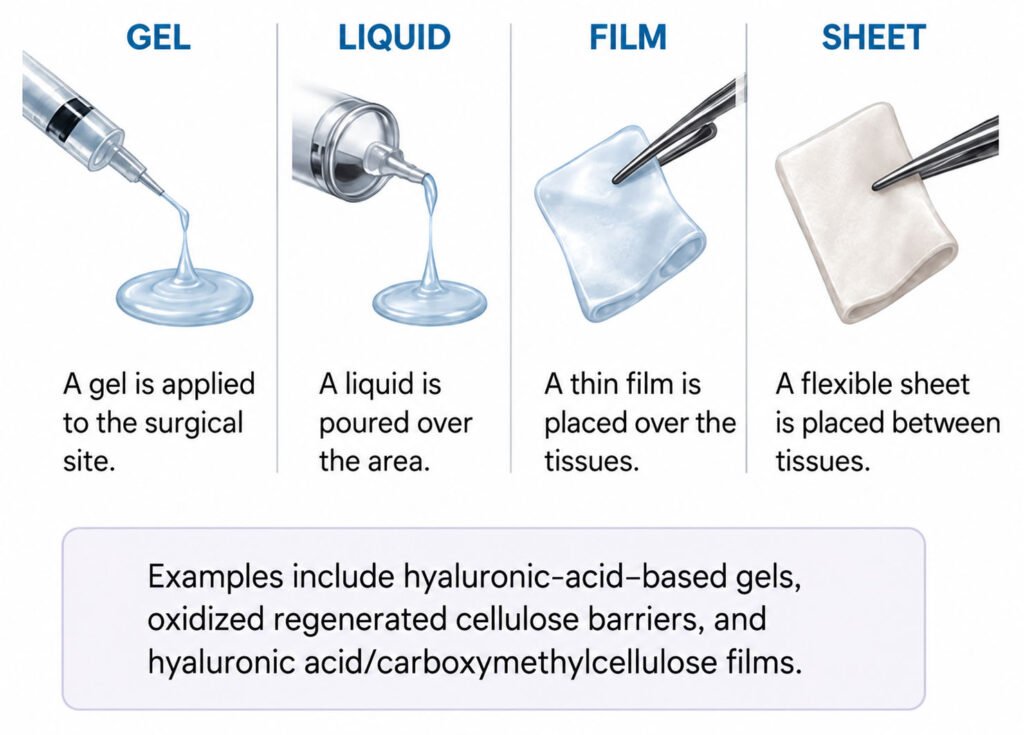
Films or membranes are thin sheets placed between healing tissue surfaces to provide temporary physical separation. Some are designed to be absorbed by the body as healing progresses.
Gels can be applied over or between surgical surfaces, where they create a temporary layer that helps keep adjacent tissues separated during healing.
Solutions or fluid-based barriers have also been used in pelvic surgery. Rather than covering one specific surface, these products are intended to temporarily separate or protect tissues within the surgical area.
Different adhesion barriers have different properties, indications, and evidence supporting their use. No barrier can completely prevent postoperative adhesions, and the decision to use one should be based on the surgical situation and the surgeon’s clinical judgment.
How Does an Absorbable Adhesion Barrier Work?
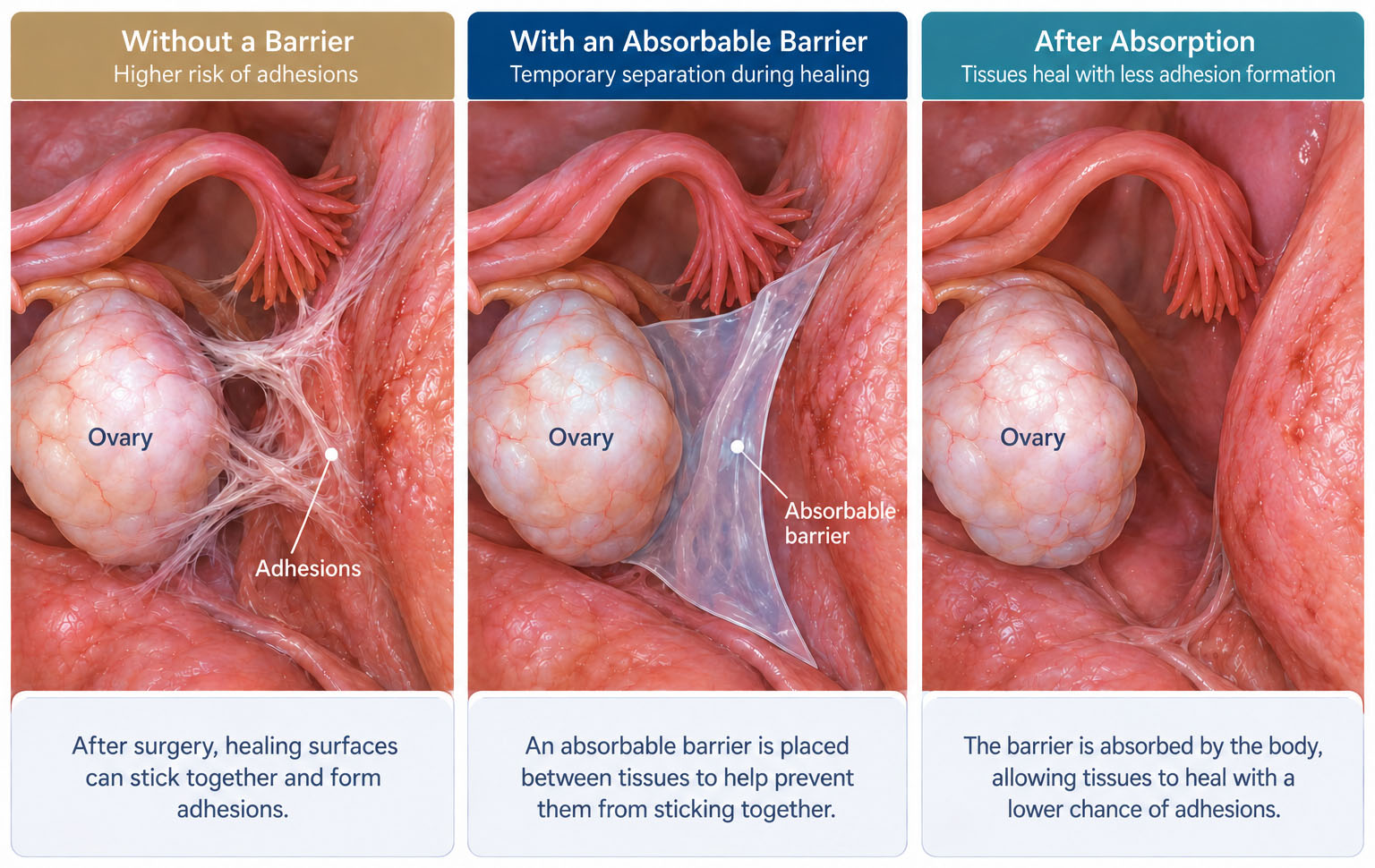
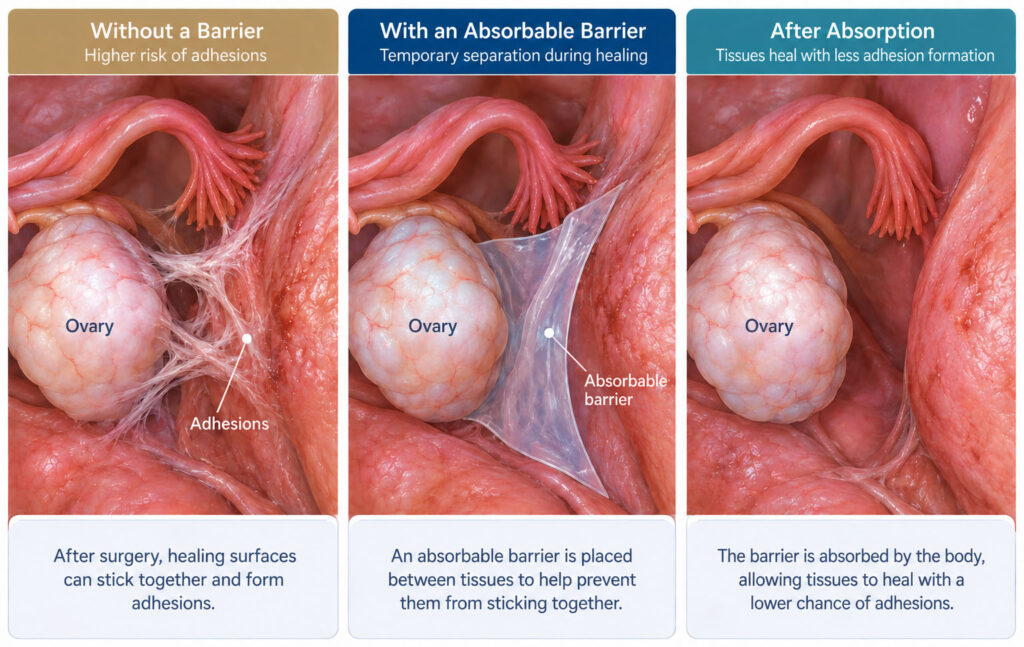
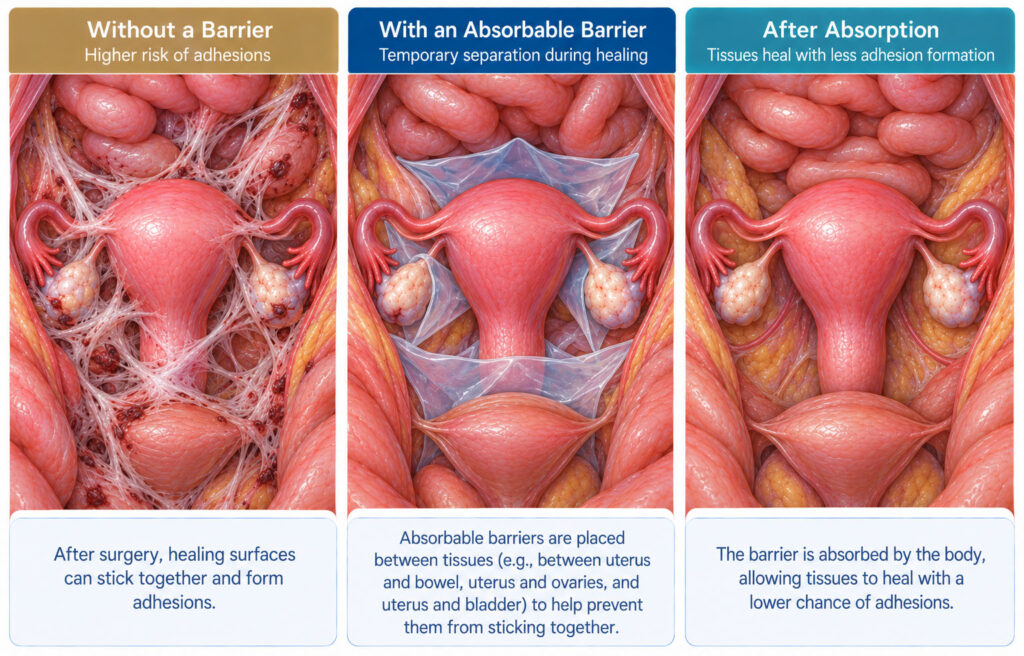
Without an Adhesion Barrier – After surgery, two healing surfaces may remain in contact with one another.
During the healing process, fibrous tissue can form between these surfaces, potentially creating an adhesion that restricts their normal movement.
With an Absorbable Adhesion Barrier – A surgeon may place an absorbable barrier between selected healing surfaces.
The barrier acts as a temporary physical separation, helping prevent the surfaces from remaining in direct contact while early healing occurs.
After the Barrier Is Absorbed – The barrier gradually breaks down and is absorbed by the body.
The goal is for the tissues to have healed sufficiently while remaining separated, reducing the opportunity for an adhesion to develop between them.
Can Adhesion Barriers Prevent All Adhesions?
No.
Adhesion barriers should not be viewed as a guarantee that adhesions will not develop after surgery.
Research suggests that some barrier agents can reduce postoperative adhesion formation in gynecologic surgery, but the evidence and effectiveness vary depending on the type of barrier, procedure, surgical circumstances, and outcomes being studied.
They are therefore one potential component of adhesion-reduction strategies rather than a way to completely eliminate the risk.
Are Adhesion Barriers Used in Every Endometriosis Surgery?
Not necessarily.
The decision to use an adhesion barrier depends on the individual operation, the tissues involved, the extent of surgical dissection, the patient’s anatomy, the specific product being considered, and the surgeon’s clinical judgment.
Different barrier products also have different indications and instructions for use.
For this reason, patients should not assume that the absence of an adhesion barrier means that appropriate steps were not taken to reduce adhesions.
Endometriosis Surgery and Adhesion Prevention at NYGSE
Adhesion prevention is one consideration in the broader planning of endometriosis surgery. The appropriate approach depends on the extent of disease, the anatomy involved, previous operations, and what is found during surgery.
At New York Gynecology Surgery & Endometriosis (NYGSE), our endometriosis specialists evaluate each patient’s clinical and surgical history individually. For patients who have undergone previous surgery or developed extensive pelvic adhesions, reviewing previous findings alongside current symptoms and imaging can help determine the most appropriate next step.
Ahmad, G., Kim, K., Thompson, M., Agarwal, P., O’Flynn, H., Hindocha, A., & Watson, A. (2020). Barrier agents for adhesion prevention after gynaecological surgery. Cochrane Database of Systematic Reviews, 2020(3), CD000475. https://doi.org/10.1002/14651858.CD000475.pub4
American Society for Reproductive Medicine. (2019). Postoperative adhesions in gynecologic surgery: A committee opinion. Fertility and Sterility, 112(3), 458–463. https://pubmed.ncbi.nlm.nih.gov/31446904/
Keckstein, J., Becker, C. M., Canis, M., Feki, A., Grimbizis, G. F., Hummelshoj, L., Nisolle, M., Roman, H., Saridogan, E., Tanos, V., Tomassetti, C., Ulrich, U. A., Vermeulen, N., & De Wilde, R. L. (2020). Recommendations for the surgical treatment of endometriosis. Part 2: Deep endometriosis. Human Reproduction Open, 2020(1), hoaa002. https://doi.org/10.1093/hropen/hoaa002