If you have had endometriosis surgery and are later told that you have extensive adhesions or a frozen pelvis, it is natural to wonder whether the previous surgery caused it.
The answer is not always straightforward.
Pelvic surgery can lead to adhesions as tissues heal. However, endometriosis itself can also cause inflammation, fibrosis, and dense adhesions that make pelvic organs stick together. In some patients, both processes may contribute.
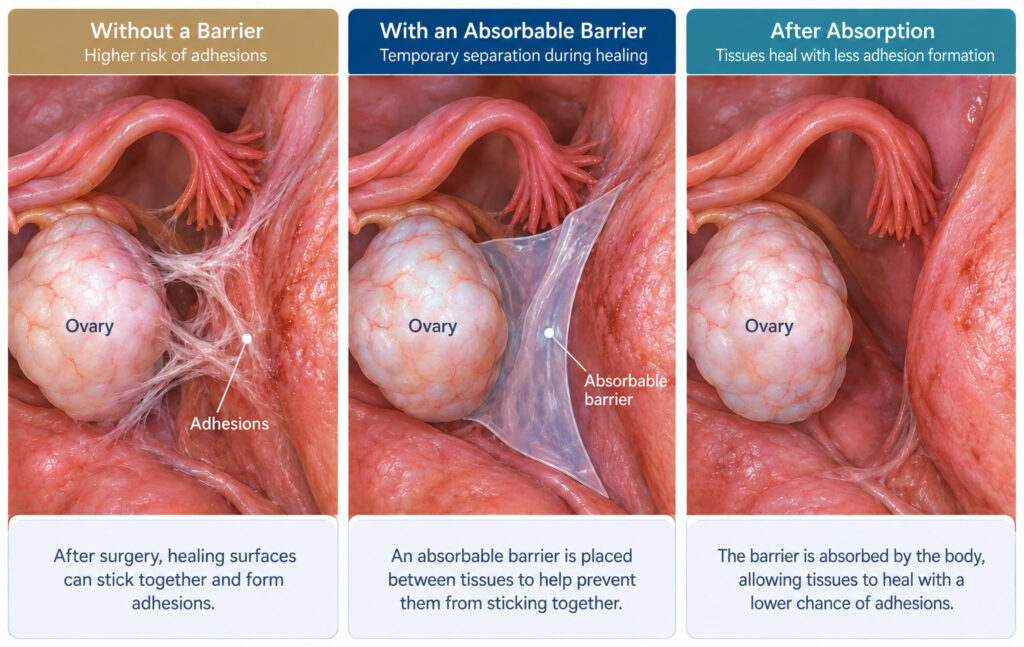
Adhesions are bands of scar-like tissue that can develop as the body heals after surgery. Instead of pelvic surfaces remaining separate and moving freely, adhesions can cause tissues or organs to become attached.
However, developing adhesions after surgery does not necessarily mean that the surgery itself caused a frozen pelvis. Endometriosis can also produce extensive adhesions and severely distort pelvic anatomy.
Why Adhesions Form After Endometriosis Surgery
Surgery involves cutting, separating, or removing abnormal tissue. The body responds by beginning a healing process, and internal scar tissue can sometimes develop during that process.
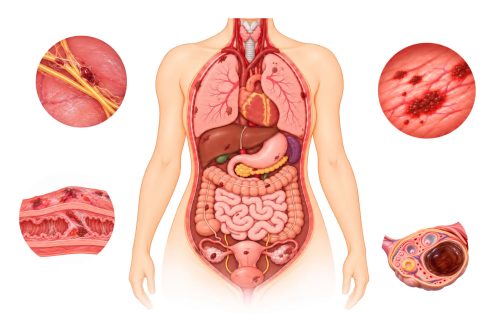
Endometriosis surgery can be particularly complex because inflammation, fibrosis, endometriomas, or adhesions may already be present before the procedure begins.
Can Surgeons Reduce the Risk of Adhesions?
Surgeons can also take steps to reduce the risk of postoperative adhesions. Careful tissue handling, minimizing unnecessary tissue injury, and controlling bleeding are important parts of adhesion prevention.
In some cases, an absorbable adhesion barrier, such as a gel or membrane, may be placed between operated surfaces to temporarily keep tissues separated while they heal. These barriers may reduce adhesion formation, although they cannot completely prevent it.
Endometriosis Adhesions vs. Surgical Adhesions
When a patient has had previous endometriosis surgery and later develops extensive adhesions, it may not be possible to determine that every adhesion was caused by the operation.
Some adhesions may have been present before surgery. Others may have developed during healing. Persistent or recurrent endometriosis may also contribute to further inflammation, fibrosis, and adhesions.
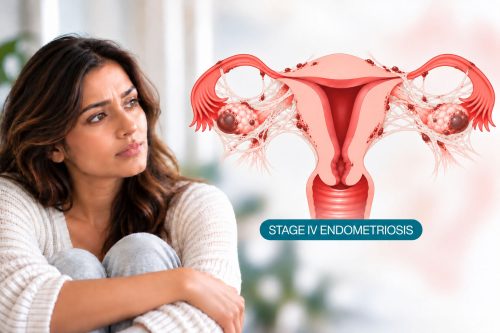
A frozen pelvis describes the resulting anatomy rather than a single cause. Pelvic organs that normally move independently can become densely attached and fixed together.
For this reason, it is usually too simplistic to say that a previous endometriosis operation alone caused the frozen pelvis.
What If You Have Had Endometriosis Surgery Before?
Previous surgery is an important part of your medical history, particularly if symptoms have returned or new symptoms have developed.
Your doctor may want to review your previous operative reports, pathology results, surgical photographs or videos, and imaging. These records can help show what endometriosis and adhesions were already present and how the anatomy may have changed.
Previous surgery can also make another operation more complex because adhesions and endometriosis may change the normal anatomy and make structures more difficult to identify.
Treatment for a Frozen Pelvis After Previous Surgery
Treatment should be individualized. Having had previous surgery does not automatically mean that another operation is necessary. The decision depends on your current symptoms, the extent and location of the disease, which organs may be involved, previous treatments, and your fertility goals.
En New York Gynecology Surgery & Endometriosis (NYGSE), we evaluate complex endometriosis, including patients who have undergone previous surgery or developed extensive pelvic adhesions. By reviewing previous surgical findings alongside current symptoms and imaging, our endometriosis specialists can help determine the most appropriate next step in your care.
Ahmad, G., Kim, K., Thompson, M., Agarwal, P., O’Flynn, H., Hindocha, A., & Watson, A. (2020). Barrier agents for adhesion prevention after gynaecological surgery. Cochrane Database of Systematic Reviews, 2020(3), CD000475. https://doi.org/10.1002/14651858.CD000475.pub4
American Society for Reproductive Medicine. (2019). Postoperative adhesions in gynecologic surgery: A committee opinion. Fertility and Sterility, 112(3), 458–463. https://pubmed.ncbi.nlm.nih.gov/31446904/
Becker, C. M., Bokor, A., Heikinheimo, O., Horne, A., Jansen, F., Kiesel, L., King, K., Kvaskoff, M., Nap, A., Petersen, K., Saridogan, E., Tomassetti, C., van Hanegem, N., Vulliemoz, N., y Vermeulen, N. (2022). ESHRE guideline: Endometriosis. Human Reproduction Open, 2022(2), hoac009. https://doi.org/10.1093/hropen/hoac009
Keckstein, J., Becker, C. M., Canis, M., Feki, A., Grimbizis, G. F., Hummelshoj, L., Nisolle, M., Roman, H., Saridogan, E., Tanos, V., Tomassetti, C., Ulrich, U. A., Vermeulen, N., & De Wilde, R. L. (2020). Recommendations for the surgical treatment of endometriosis. Part 2: Deep endometriosis. Human Reproduction Open, 2020(1), hoaa002. https://doi.org/10.1093/hropen/hoaa002