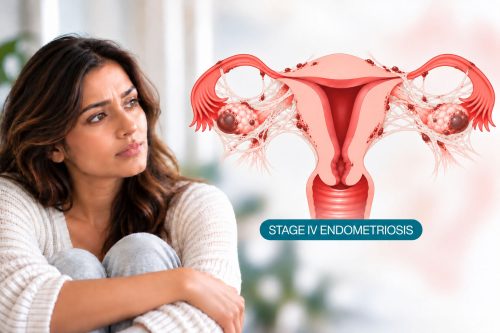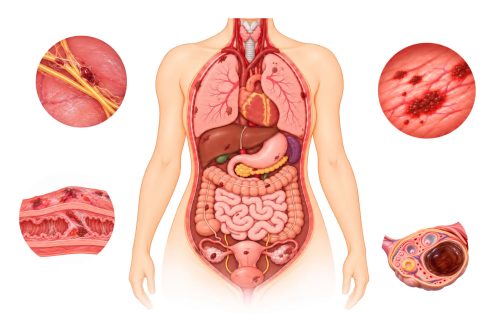


For some women with endometriosis, going to the bathroom can become something they think about every day.
Constipation, painful bowel movements, rectal pressure, burning, or pain after a bowel movement can significantly affect daily life. For women with endometriosis, an important clue may be whether these symptoms appear or become noticeably worse before or during menstruation.
But how often should you actually have a bowel movement? And when could rectal pain or constipation be related to bowel endometriosis?
How Often Should You Have a Bowel Movement?
There is no requirement to have a bowel movement every day.
Some people normally go more than once a day, while others may go every other day. According to the National Institute of Diabetes and Digestive and Kidney Diseases (NIDDK), constipation may involve fewer than three bowel movements per week, hard or dry stools, difficulty or pain when passing stool, or a feeling of incomplete evacuation. Normal bowel patterns can vary from person to person.
So, going every other day is not automatically constipation.
What matters is whether your bowel movements are comfortable, stools are reasonably soft and easy to pass, you are not regularly straining, and you do not feel persistently backed up or unable to empty.
Should You Try to Have Bowel Movements Less Often Because They Hurt?
Generally, the goal should not be to deliberately suppress the urge to have a bowel movement simply to give the rectum a day off.
Ignoring the urge to go can contribute to constipation in some people. NIDDK recommends using the bathroom when you feel the need rather than routinely delaying bowel movements.
If a soft, easy bowel movement still causes significant rectal pain afterward, the important question becomes why the bowel movement is painful, rather than simply how frequently it occurs.
That distinction matters.
When Bowel Symptoms Worsen Around Your Period
Constipation or painful bowel movements alone do not necessarily indicate endometriosis. The timing of these symptoms can provide an important clue.
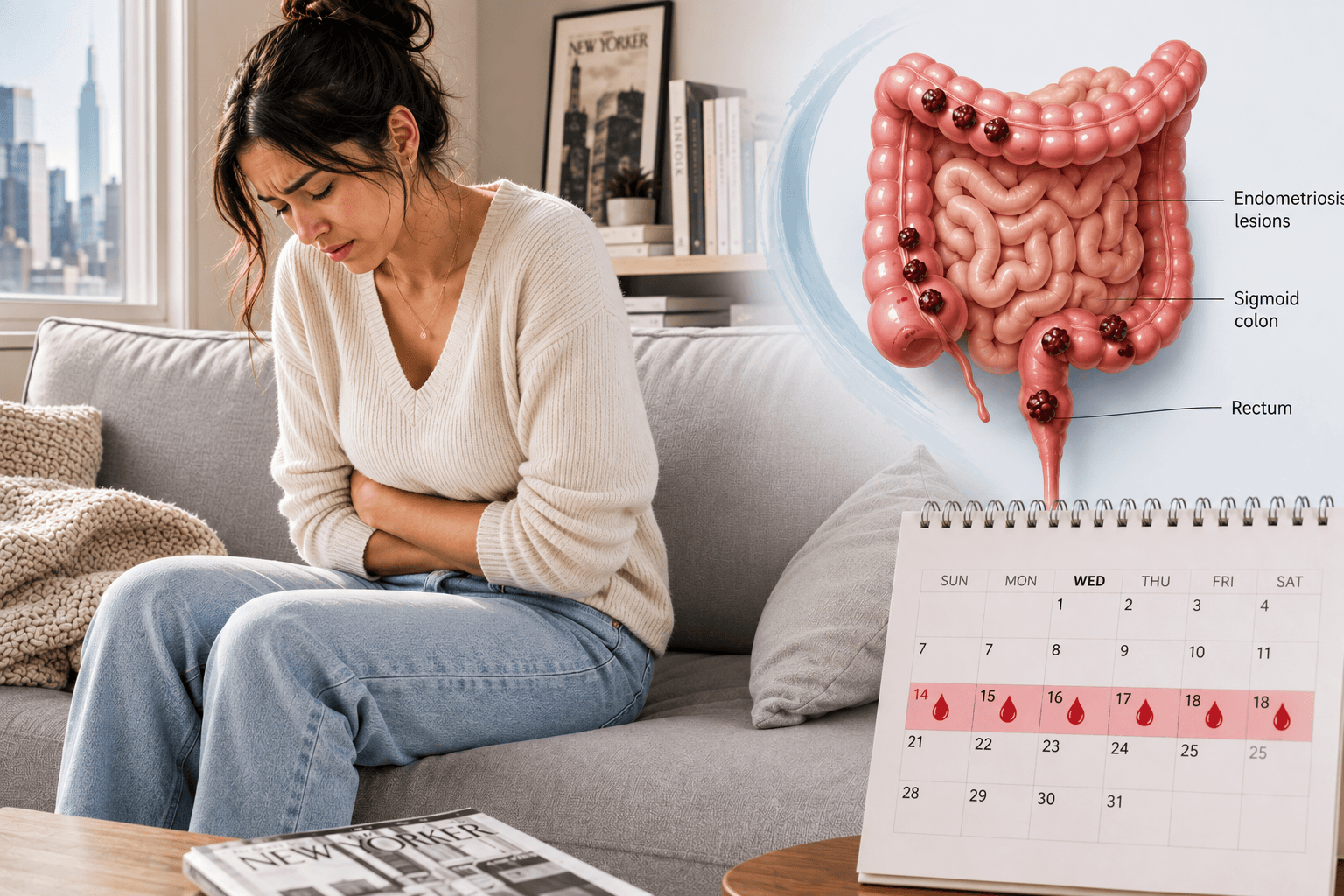
Some women with endometriosis notice that constipation, diarrhea, painful bowel movements, rectal pressure, or other bowel symptoms consistently worsen before or during menstruation.
When deep endometriosis involves the bowel, the rectum and sigmoid colon are common locations. However, cyclical bowel symptoms do not automatically mean that endometriosis has invaded the bowel. Endometriosis elsewhere in the pelvis and other conditions may also contribute to bowel symptoms.
What matters is the overall pattern: symptoms, their timing in relation to the menstrual cycle, examination findings, and appropriate imaging or other evaluation.
Rectal Pain Is Not Always From Bowel Endometriosis
This is particularly important when someone also has an anal fissure or hemorrhoids.
An anal fissure can make passing stool painful even when the stool is relatively soft. Hemorrhoids can also cause discomfort, irritation, and bleeding.
Pelvic floor dysfunction is another possibility. The pelvic floor muscles need to coordinate and relax appropriately during a bowel movement. Problems with these muscles can contribute to difficult evacuation and constipation. NIDDK recognizes pelvic floor disorders as one potential cause of delayed bowel emptying.
Some patients may have more than one problem at the same time, such as endometriosis alongside pelvic floor dysfunction, a fissure, hemorrhoids, or a gastrointestinal condition.
That is why persistent rectal pain deserves evaluation rather than automatically being attributed to endometriosis.
What If the Stool Is Already Soft but It Still Hurts?
This is an important clue.
Keeping stool soft can reduce straining and may be helpful for constipation and certain anorectal conditions. But soft stool cannot eliminate pain caused by every condition.
If an easy-to-pass bowel movement still causes severe burning, throbbing, deep rectal pain, or pain lasting well afterward, simply making the stool softer may not address the underlying problem.
Pay attention to whether that pain becomes more intense or more frequent around menstruation. A recurring menstrual pattern can be useful information when evaluating possible endometriosis, particularly when bowel symptoms occur alongside painful periods, pelvic pain, pain during sex, or other endometriosis symptoms.
Constipation With Endometriosis Can Have More Than One Cause
It can be tempting to assume that constipation in someone with endometriosis must be caused directly by endometriosis.
That is not always the case.
Constipation can have many causes, including diet and hydration, medications, gastrointestinal disorders, changes in physical activity, and pelvic floor dysfunction. Certain pain medications can also contribute to constipation.
This means treatment needs to address the cause of the bowel problem, not simply the frequency of bowel movements.
Should You Keep Your Stool Soft?
Avoiding hard stool and excessive straining is generally important when constipation is present.
Adequate fluid intake and appropriate dietary fiber can help some patients maintain softer, easier-to-pass stools. However, adding large amounts of fiber is not automatically right for everyone, particularly when significant bloating, pain, bowel narrowing, or other gastrointestinal problems are being investigated. NIDDK recommends discussing the appropriate amount of fiber with a healthcare professional and increasing it gradually.
Similarly, laxatives and stool-softening medications should be selected according to the individual situation, particularly when symptoms are persistent.
The goal is comfortable bowel function without unnecessary straining, not achieving a particular number of bowel movements.
When Rectal Pain Needs More Attention
Pain that is severe enough to interfere with work, sleep, or everyday activities deserves medical evaluation.
Rectal bleeding or blood in the stool should also not automatically be attributed to hemorrhoids, fissures, or endometriosis. NIDDK recommends medical evaluation for constipation accompanied by rectal bleeding or blood in the stool, and urgent assessment may be necessary when symptoms occur with constant abdominal pain, inability to pass gas, vomiting, fever, or unexplained weight loss.
For someone with known or suspected endometriosis, persistent painful bowel movements may warrant evaluation of both gynecologic and colorectal or gastrointestinal causes, depending on the symptoms.
When Bowel Symptoms Are Worth Discussing With a Specialist
There is no universal rule for how often you should have a bowel movement. What matters more is whether stools are easy to pass and whether bowel symptoms consistently worsen before or during your period.
A recurring connection between bowel symptoms and menstruation does not necessarily mean endometriosis involves the bowel, but it is worth discussing with an endometriosis specialist.
At New York Gynecology Surgery & Endometriosis (NYGSE), we consider bowel symptoms alongside the complete pattern of a patient’s endometriosis symptoms to determine whether further evaluation may be appropriate.
References
Becker, C. M., Bokor, A., Heikinheimo, O., Horne, A., Jansen, F., Kiesel, L., King, K., Kvaskoff, M., Nap, A., Petersen, K., Saridogan, E., Tomassetti, C., van Hanegem, N., Vulliemoz, N., & Vermeulen, N. (2022). ESHRE guideline: Endometriosis. Human Reproduction Open, 2022(2), hoac009. https://doi.org/10.1093/hropen/hoac009
Habib, N., Centini, G., Lazzeri, L., Amoruso, N., El Khoury, L., Zupi, E., & Afors, K. (2020). Bowel endometriosis: Current perspectives on diagnosis and treatment. International Journal of Women’s Health, 12, 35–47.
https://doi.org/10.2147/IJWH.S190326
National Institute of Diabetes and Digestive and Kidney Diseases. (2018). Constipation. U.S. Department of Health and Human Services, National Institutes of Health. https://www.niddk.nih.gov/health-information/digestive-diseases/constipation
National Institute of Diabetes and Digestive and Kidney Diseases. (2018). Treatment for constipation.
U.S. Department of Health and Human Services, National Institutes of Health. https://www.niddk.nih.gov/health-information/digestive-diseases/constipation/treatment
World Health Organization. (2025, October 15). Endometriosis. https://www.who.int/news-room/fact-sheets/detail/endometriosis