INFERTILITY CAUSED BY ENDOMETRIOSIS
Understanding Endometriosis and Fertility
Endometriosis can impact fertility in several ways. Inflammation, scar tissue, and anatomical distortion of the ovaries, fallopian tubes, or pelvis may interfere with ovulation, egg quality, fertilization, or implantation. Even mild endometriosis can create a hostile pelvic environment that reduces the chances of conception.
Not every woman with endometriosis will experience infertility, but the condition is a known contributor in many patients struggling to conceive.
COMMON QUESTIONS ABOUT INFERTILITY CAUSED BY ENDOMETRIOSIS
Endometriosis can lead to pelvic inflammation, adhesions, ovarian cysts (endometriomas), and tubal distortion. These factors may impair ovulation, egg quality, fertilization, or implantation.
Yes. Many women with endometriosis conceive naturally. However, the severity of disease, age, and ovarian reserve all influence fertility outcomes.
In select cases, advanced excision surgery may improve fertility by restoring normal pelvic anatomy and reducing inflammation. Surgical planning must carefully balance symptom relief with preservation of ovarian tissue.
The appropriate surgical approach depends on disease severity, location, and reproductive goals. Treatment focuses on removing endometriosis while preserving healthy ovarian and reproductive structures whenever possible.
NYGSE cares for patients throughout Babylon and Bay Shore, NY with a endometriomas, using advanced imaging and surgical techniques to manage cysts effectively while supporting long-term reproductive and pelvic health.
SURGICAL METHODS FOR INFERTILITY RELATED TO ENDOMETRIOSIS
The appropriate surgical approach depends on disease severity, location, and reproductive goals. Treatment focuses on removing endometriosis while preserving healthy ovarian and reproductive structures whenever possible.
Precise excision of endometriosis may restore normal anatomy and improve fertility potential in select patients.
NYGSE specializes in minimally invasive and robotic-assisted techniques designed to treat complex endometriosis while preserving reproductive function.
Pankaj Singhal, MD, MS, MHCM
With over 12 years of experience in both academic and private healthcare, Dr. Singhal has trained more than 45 gynecologic surgeons and fellows in minimally invasive and oncologic procedures. He has pioneered new surgical techniques for endometriosis and laparoscopic surgery, completing more than 5,700 robotic-assisted cases nationwide. Renowned for taking on the most complex cases other centers turn away, Dr. Singhal continues to advance the standard of women’s surgical care.
Expert treatment. Compassionate care. Real results.

ADENOMYOSIS
Understanding Adenomyosis
Adenomyosis occurs when endometrial-like tissue grows into the muscular wall of the uterus. This can cause the uterus to become enlarged and lead to painful, heavy menstrual cycles. While adenomyosis is not cancerous, it can significantly impact quality of life, especially for women experiencing severe pelvic pain or abnormal bleeding.
Because its symptoms often overlap with fibroids or endometriosis, adenomyosis can be difficult to diagnose without specialized evaluation. Proper assessment is essential to determine the most effective treatment approach.
COMMON QUESTIONS ABOUT Adenomyosis
Adenomyosis occurs when endometrial tissue grows into the muscular wall of the uterus. This can cause heavy bleeding, severe cramping, and chronic pelvic pain. It is a benign condition but can significantly impact quality of life.
Although both conditions involve endometrial-like tissue, adenomyosis affects the uterus itself, while endometriosis occurs outside the uterus. Some patients may have both conditions at the same time.
Common symptoms include heavy or prolonged menstrual bleeding, severe menstrual cramps, pelvic pressure, pain during intercourse, and chronic pelvic discomfort. Symptoms can worsen over time.
Diagnosis typically involves a pelvic exam and imaging studies such as ultrasound or MRI. Because symptoms overlap with fibroids and endometriosis, evaluation by a specialist experienced in complex pelvic conditions is important.
NYGSE cares for patients throughout Babylon and Bay Shore, NY with a endometriomas, using advanced imaging and surgical techniques to manage cysts effectively while supporting long-term reproductive and pelvic health.
Surgical Methods for Adenomyosis
The appropriate surgical approach for adenomyosis depends on symptom severity, extent of disease, and the patient’s reproductive goals. Treatment focuses on relieving heavy bleeding and pelvic pain while preserving uterine function when possible.
When conservative treatments are not sufficient, surgical intervention may be considered for symptom relief and improved quality of life.
For patients with severe or diffuse adenomyosis who have completed childbearing or for whom other treatments have not provided relief, hysterectomy may be recommended. NYGSE offers advanced minimally invasive hysterectomy techniques.
Pankaj Singhal, MD, MS, MHCM
With over 12 years of experience in both academic and private healthcare, Dr. Singhal has trained more than 45 gynecologic surgeons and fellows in minimally invasive and oncologic procedures. He has pioneered new surgical techniques for endometriosis and laparoscopic surgery, completing more than 5,700 robotic-assisted cases nationwide. Renowned for taking on the most complex cases other centers turn away, Dr. Singhal continues to advance the standard of women’s surgical care.
Have Questions About Your Surgery or Treatment?
Expert treatment. Compassionate care. Real results.

Radical Hysterectomy with Bilateral Salpingo-Oophorectomy
What This Surgery Involves
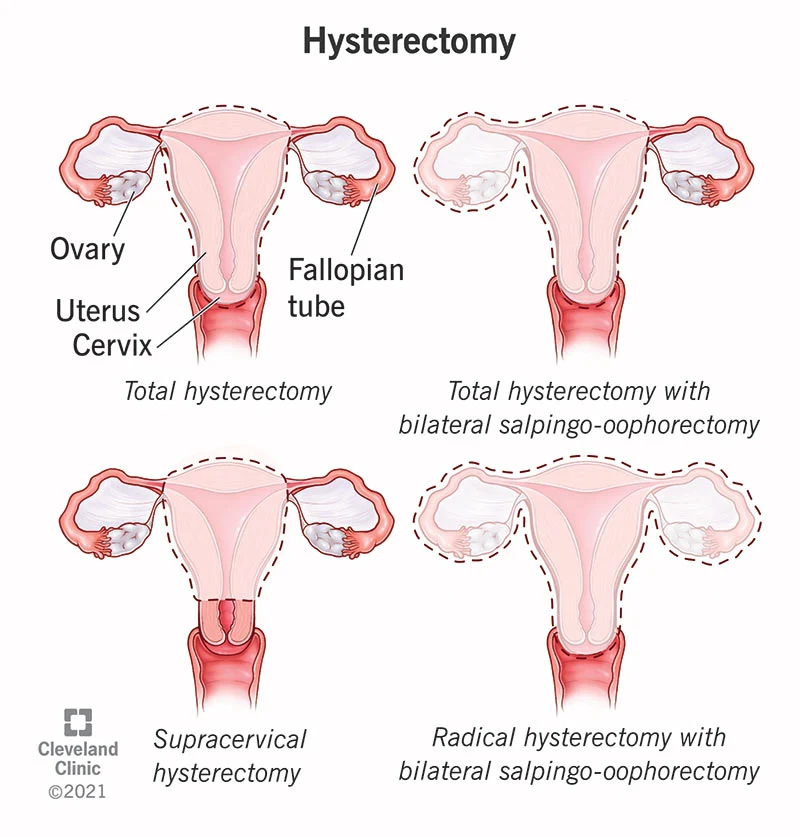
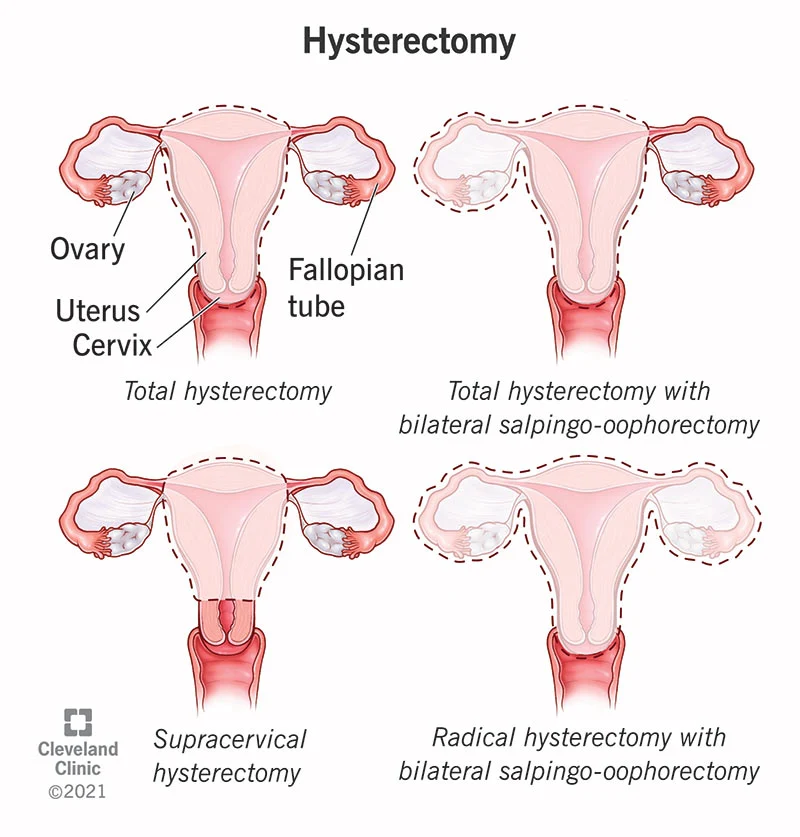
A radical hysterectomy with bilateral salpingo-oophorectomy is the most extensive form of hysterectomy, involving the removal of the uterus, cervix, fallopian tubes, ovaries, and surrounding tissues. This operation is generally performed for gynecologic cancers—especially early cervical cancer—or severe disease such as deep infiltrating endometriosis. Because both ovaries are removed, this procedure eliminates estrogen production and has immediate hormonal and reproductive consequences, which makes education and preparation essential.
Why This Approach Is Recommended
Personalized Treatment. Proven Results.
Although major, this procedure is often chosen because it provides the highest likelihood of completely removing cancerous or precancerous tissue and preventing further spread. For patients with advanced endometriosis or high-risk genetic conditions, it can also offer long-term relief and reduce future complications. With modern laparoscopic and robotic techniques, many patients benefit from smaller incisions, less postoperative pain, and faster recovery—especially under an experienced surgeon like Dr. Singhal, who specializes in the most complex cases.
COMMON QUESTIONS ABOUT Radical Hysterectomy with Bilateral Salpingo-Oophorectomy
A radical hysterectomy with bilateral salpingo-oophorectomy is a surgical procedure commonly performed in gynecology to treat various conditions, including certain gynecological cancers and severe cases of endometriosis.
During this procedure, the surgeon removes the uterus (hysterectomy) along with the cervix, surrounding tissues, and sometimes the upper part of the vagina. Additionally, bilateral salpingo-oophorectomy involves the removal of both the fallopian tubes and the ovaries. This comprehensive surgical approach is typically recommended when there is a need to eliminate the primary source of estrogen production (the ovaries) and to ensure the removal of any potential cancerous or precancerous tissues, which might be present in the uterus or the surrounding structures.
It is a major surgery and can have significant implications for a person’s hormonal balance, reproductive capabilities, and overall health.
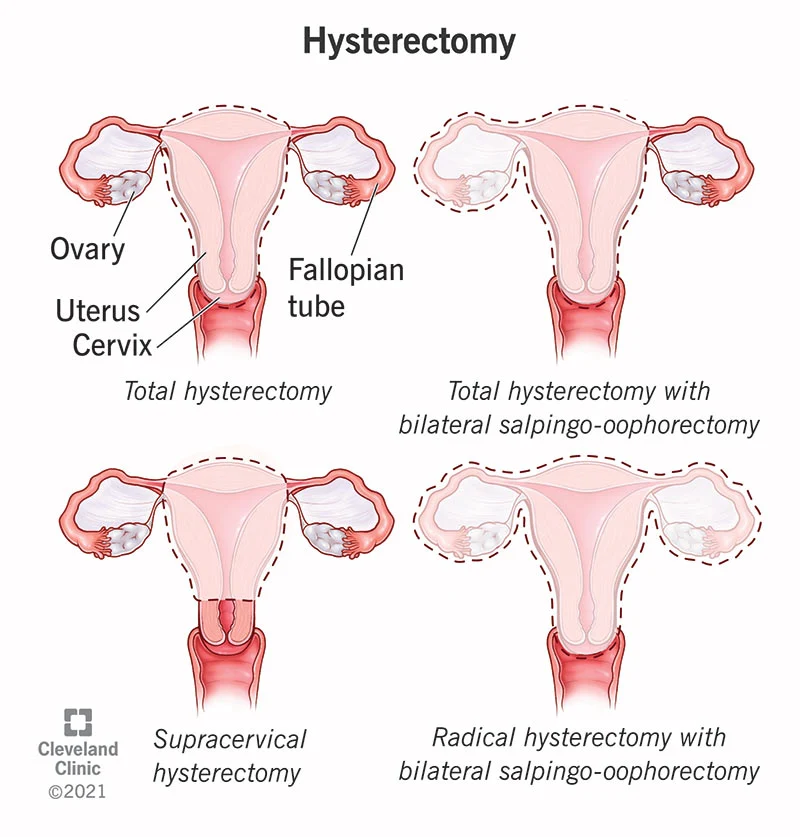
A common reason for performing a radical hysterectomy with bilateral salpingo-oophorectomy is the treatment of early-stage cervical cancer. When cervical cancer is diagnosed in its initial stages and has not spread beyond the cervix, a radical hysterectomy is often recommended. This surgical procedure involves the removal of the uterus, cervix, upper vagina, and surrounding tissues, along with the fallopian tubes and ovaries (bilateral salpingo-oophorectomy). By removing these reproductive organs and adjacent structures, the goal is to eliminate any cancerous cells and prevent the cancer from spreading to other parts of the body. This approach can be curative for early-stage cervical cancer and offers a high chance of long-term survival.
Another common reason for a radical hysterectomy with bilateral salpingo-oophorectomy is the management of certain cases of uterine cancer, especially when the cancer has advanced beyond the uterus. In such situations, the surgical removal of the uterus along with the fallopian tubes and ovaries is performed to address the primary site of cancer and reduce the risk of cancer recurrence. This comprehensive surgical approach is crucial in cases where uterine cancer has spread to adjacent tissues or lymph nodes, as it aims to eradicate the disease and improve the patient’s prognosis.
A radical hysterectomy with bilateral salpingo-oophorectomy has a long-lasting effects on a woman’s body. This surgery removes the uterus, cervix, fallopian tubes, and ovaries, causing physical and hormonal changes.
Firstly, the surgery triggers surgical menopause because it removes the ovaries, which make estrogen. This can lead to symptoms like hot flashes, night sweats, mood swings, vaginal dryness, and a higher risk of osteoporosis and heart problems due to lower estrogen levels. Many women take hormone replacement therapy (HRT) to relieve these symptoms and reduce the long-term health risks linked to low estrogen.
Secondly, this procedure makes it impossible for women to have natural pregnancies, which can have strong emotional and psychological impacts, especially for those who haven’t finished family planning or want more children later. It’s crucial for women considering this surgery to discuss fertility preservation options with their doctors before the procedure if they hope to have children in the future.
Also, removing the uterus and cervix can affect pelvic support, potentially causing changes in pelvic anatomy and function, though these effects can vary among individuals.
The time a radical hysterectomy with bilateral salpingo-oophorectomy takes can vary based on factors like the surgical method, a person’s body, and the surgeon’s skill. Usually, the surgery lasts about 2 to 4 hours, but it can be shorter or longer. The complexity of the procedure matters too. For instance, if it’s for gynecological cancer and needs more tissue removal or lymph node work, it might take more time compared to a simpler procedure for a different health issue.
Dr. Pankaj Singhal is widely regarded and respected as a Master Surgeon in Robotic Surgeries, having performed over 10,000 robotic gynecologic, endometriosis, and cancer procedures, further emphasizing his expertise and proficiency in this field.
Laparoscopy is a minimally invasive surgical technique increasingly used in performing a radical hysterectomy with bilateral salpingo-oophorectomy. During this procedure, a surgeon makes several small incisions in the abdominal wall through which specialized instruments and a tiny camera called a laparoscope are inserted. This camera provides a high-definition view of the pelvic and abdominal organs, enabling the surgeon to meticulously remove the uterus, cervix, fallopian tubes, and ovaries.
The benefits of laparoscopy in this context include smaller incisions, which often result in less postoperative pain, reduced scarring, and a faster recovery. Patients typically experience a shorter hospital stay, faster return to their regular activities, and potentially lower blood loss during surgery. The improved visualization afforded by laparoscopy also enhances surgical precision.
Facing a Radical Hysterectomy with Bilateral Salpingo-Oophorectomy can be a challenging and emotionally charged experience.
NYGSE is committed to providing personalized care with experienced professionals. Your well-being is our top priority, and we aim to exceed your expectations with high-quality care. If you’re considering this procedure or have concerns, please reach out to us for guidance.
We’re here to support you in this important decision-making process. NYGSE provides expert radical hysterectomy with bilateral salpingo-oophorectomy for patients throughout Babylon and Bay Shore, NY, delivering specialized care in a setting that prioritizes comfort, safety, and long-term outcomes.
Removing ovaries can prevent cancer spread and eliminate hormone-driven risk; the choice depends on cancer type, stage, age and genetic risk.
Most patients take 6–12 weeks for full recovery; light activity resumes earlier per surgeon instructions.
Yes, removing both ovaries causes immediate surgical menopause with possible hot flashes, vaginal dryness and longer‑term bone/heart considerations.
Many patients can use HRT to treat menopausal symptoms, but safety depends on cancer type and medical history — discuss before surgery.
Yes, natural pregnancy is no longer possible; fertility preservation (egg/embryo freezing) or fertility‑sparing procedures may be options before treatment.
Often lymph node assessment or removal is performed when indicated by tumor type and staging; the extent is decided by your surgeon.
Risks include bleeding, infection, urinary or bowel injury, blood clots and menopausal effects; serious complications are uncommon but discussed preoperatively.
Yes, when clinically appropriate we offer laparoscopic/robotic approaches that may reduce blood loss and speed recovery.
Call for fever >101°F, heavy bleeding, persistent or worsening pain, shortness of breath, or any sudden concerning symptoms at the incision or systemically.
Early weeks: hospital stay 1–3 days, walk soon after surgery, pain controlled with meds; weeks 2–6: energy returns, avoid heavy lifting; weeks 6–12: gradual return to full activity and follow‑up care.
Types of Gynecologic Cancer
Pankaj Singhal, MD, MS, MHCM
With over 12 years of experience in both academic and private healthcare, Dr. Singhal has trained more than 45 gynecologic surgeons and fellows in minimally invasive and oncologic procedures. He has pioneered new surgical techniques for endometriosis and laparoscopic surgery, completing more than 5,700 robotic-assisted cases nationwide. Renowned for taking on the most complex cases other centers turn away, Dr. Singhal continues to advance the standard of women’s surgical care.
Have Questions About Your Surgery or Treatment?
Expert treatment. Compassionate care. Real results.

Total Hysterectomy with Bilateral Salpingo-Oophorectomy
Total Hysterectomy With Bilateral Salpingo-Oophorectomy
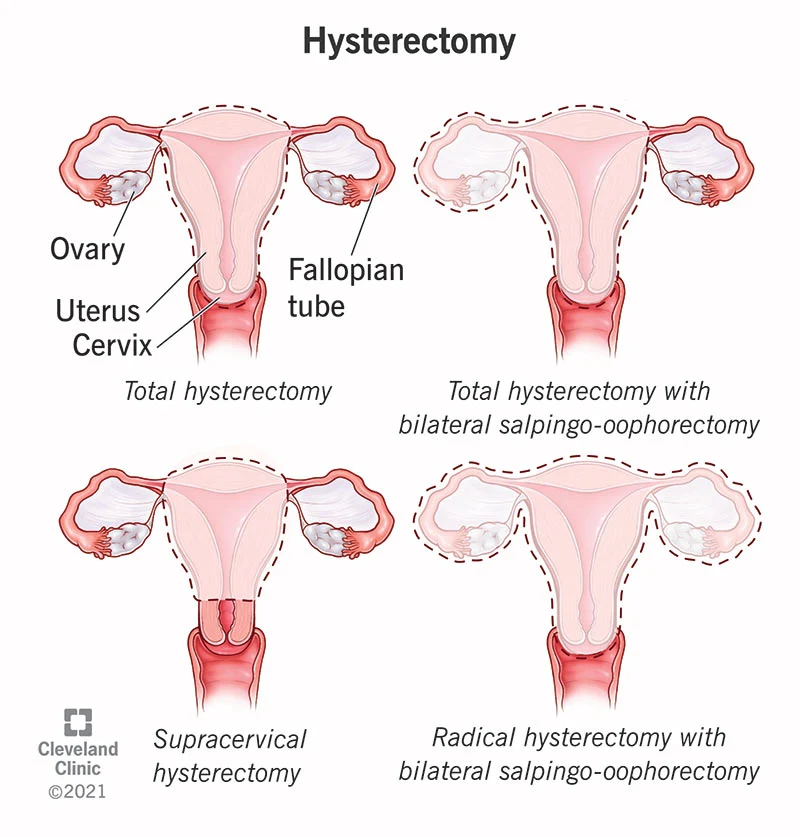
A total hysterectomy with bilateral salpingo-oophorectomy is a major gynecologic procedure that removes the uterus, cervix, fallopian tubes, and both ovaries. It is typically recommended for serious conditions such as gynecologic cancers, advanced endometriosis, ovarian cystic disease, or when there is a high hereditary cancer risk. Because the ovaries are removed, this procedure causes immediate menopause and permanently ends fertility, making education and preparation essential for every patient considering it.
Why Patients Choose This Procedure
Personalized Treatment. Proven Results.
Despite its significance, this surgery is often the most effective way to relieve severe symptoms, stop disease progression, and prevent future complications—especially in cases of cancer or advanced endometriosis. Modern minimally invasive and robotic techniques allow many patients to experience less pain, reduced blood loss, shorter hospital stays, and a faster return to daily life. With expert surgeons like Dr. Singhal, the procedure is performed with precision and a strong focus on long-term quality of life.
At NYGSE, total hysterectomy with bilateral salpingo-oophorectomy is evaluated in the context of each patient’s diagnosis, cancer risk, endometriosis history, hormonal health, and long-term quality of life.
COMMON QUESTIONS ABOUT Total Hysterectomy with Bilateral Salpingo-Oophorectomy
A total hysterectomy with bilateral salpingo-oophorectomy is a comprehensive surgical procedure performed on individuals, primarily women, to remove the uterus, cervix, fallopian tubes, and both ovaries. This surgery is often recommended to treat various gynecological conditions such as uterine fibroids, endometriosis, gynecological cancers, and severe pelvic inflammatory disease.
The removal of these reproductive organs results in permanent infertility and typically induces menopause if the ovaries are removed, as they are responsible for hormone production. While this procedure can alleviate symptoms and effectively treat underlying conditions, it also has profound implications for a person’s reproductive and hormonal health.
One of the common reasons for a total hysterectomy with bilateral salpingo-oophorectomy is the treatment of gynecological cancers, such as ovarian cancer, cervical cancer, or endometrial cancer. This surgical procedure may be recommended when these cancers are detected at an advanced stage or have not responded to other treatments like chemotherapy or radiation therapy. Removing the uterus, cervix, fallopian tubes, and ovaries can be an effective way to eliminate cancerous tissue and prevent the spread of the disease to other parts of the body.
It is important to note that this procedure is not exclusively performed for cancer treatment. Total hysterectomy with bilateral salpingo-oophorectomy may also be recommended for other medical conditions such as severe endometriosis, uterine fibroids, and in cases where there is a significant risk of developing gynecological cancer in individuals with certain genetic mutations like BRCA1 or BRCA2. The decision to undergo this surgery is typically made after careful evaluation of the individual’s specific medical condition and their overall health.
After a total hysterectomy with bilateral salpingo-oophorectomy, your body undergoes significant changes, including permanent infertility and immediate menopause if both ovaries are removed, resulting in menopausal symptoms, cessation of menstrual periods, potential alterations in sexual function, and relief from gynecological conditions that necessitated the surgery.
There may also be a potential need for hormone replacement therapy to manage hormonal imbalances and menopausal symptoms, all of which require careful consideration and follow-up with a specialized healthcare provider, such as New York Gynecology Surgery & Endometriosis (NYGSE).
The duration of a total hysterectomy with bilateral salpingo-oophorectomy varies depending on factors such as the surgical approach and complexity of the case, but on average, it typically takes about 1 to 3 hours to complete.
Minimally invasive techniques, like laparoscopic or robotic-assisted procedures, tend to have shorter operating times than traditional open surgeries.
The surgeon’s experience and the patient’s overall health also play a role in determining the length of the surgery.
Dr. Pankaj Singhal is widely regarded and respected as a Master Surgeon in Robotic Surgeries, having performed over 10,000 robotic gynecologic, endometriosis, and cancer procedures, further emphasizing his expertise and proficiency in this field.
Laparoscopy, a minimally invasive surgical technique, has become a valuable approach in performing total hysterectomy with bilateral salpingo-oophorectomy. During this procedure, the surgeon makes small incisions in the abdominal wall through which specialized instruments and a laparoscope are inserted. The laparoscope is equipped with a camera that provides a magnified view of the pelvic and abdominal organs on a monitor, allowing for precise and controlled surgical maneuvers.
One of the primary benefits of laparoscopy in this context is its ability to minimize the invasiveness of the surgery. Compared to traditional open surgery, laparoscopy typically results in smaller incisions, reduced blood loss, and a lower risk of infection. Patients who undergo laparoscopic total hysterectomy with bilateral salpingo-oophorectomy often experience shorter hospital stays, faster recovery times, and less postoperative pain.
Facing a Total Hysterectomy with Bilateral Salpingo-Oophorectomy can be a challenging and emotionally charged experience. At NYGSE, our commitment is to deliver personalized care that caters to your specific needs. Our team comprises experienced gynecologists and healthcare professionals who will stand by you throughout this journey, offering unwavering support, addressing your questions, and ensuring your comfort at every stage.
Your well-being remains our utmost priority, and we are dedicated to surpassing your expectations by providing top-quality care and individualized attention. If you or someone you care about is contemplating or has a scheduled Total Hysterectomy with Bilateral Salpingo-Oophorectomy or has any concerns related to this procedure, please do not hesitate to contact us.
We are here to offer guidance and assistance as you navigate this crucial decision-making process and embark on your treatment path.
NYGSE offers total hysterectomy with bilateral salpingo-oophorectomy for patients throughout Babylon and Bay Shore, NY, providing experienced surgical care in a setting focused on comfort, safety, and long-term health.
A “standard” hysterectomy typically means removing the uterus (often including the cervix) while leaving the fallopian tubes and ovaries in place. A total hysterectomy with bilateral salpingo‑oophorectomy removes the uterus, both fallopian tubes and both ovaries. The key consequences are hormonal and reproductive: removing the ovaries causes immediate surgical menopause in premenopausal people, with symptoms (hot flashes, vaginal dryness, mood changes) and longer‑term effects on bone and heart health—so hormone therapy and other preventive measures may be discussed. Fertility is eliminated in either case, but only the oophorectomy produces the abrupt loss of ovarian hormones. Surgery and recovery are broadly similar, though adding removal of tubes and ovaries can modestly increase operative time and influence long‑term health decisions; the choice is guided by cancer risk, symptoms, age, and patient preference.
A total hysterectomy removes the uterus and cervix. When bilateral salpingo-oophorectomy is added, both fallopian tubes and both ovaries are also removed. This may be recommended for certain cancers, high inherited cancer risk, advanced endometriosis, ovarian disease, or other conditions where keeping the ovaries could leave future health risks. The decision depends on diagnosis, age, symptoms, cancer risk, and long-term hormonal health.
A hysterectomy removes the uterus, and a total hysterectomy also removes the cervix. A salpingectomy removes one or both fallopian tubes. An oophorectomy removes one or both ovaries. A bilateral salpingo-oophorectomy removes both fallopian tubes and both ovaries. When all of these are performed together, the procedure may be called a total hysterectomy with bilateral salpingo-oophorectomy.
Yes, if both ovaries are removed before natural menopause, the patient enters surgical menopause because the ovaries are no longer producing the same levels of estrogen and other hormones. Symptoms may include hot flashes, night sweats, vaginal dryness, sleep changes, mood changes, and changes in sexual function. Cleveland Clinic also notes that removing the ovaries starts menopause immediately if menopause has not already occurred.
Hormone therapy may be discussed after surgery, especially for patients who have both ovaries removed before natural menopause. Whether it is appropriate depends on the reason for surgery, cancer history or risk, age, symptoms, and overall health. This should be reviewed with the surgeon or treating physician before surgery so the patient understands both symptom management and long-term health considerations.
Removing both ovaries before natural menopause may affect bone health, heart health, sexual health, and menopausal symptoms. ACOG notes that bilateral salpingo-oophorectomy causing surgical menopause reduces ovarian cancer risk but may increase the risk of issues such as cardiovascular disease, osteoporosis, cognitive impairment, and all-cause mortality in some patients.
In many cases, yes. A laparoscopic or robotic-assisted approach may be possible depending on the patient’s condition, anatomy, prior surgeries, cancer concerns, endometriosis severity, and surgeon evaluation.
Recovery depends on the surgical approach and the complexity of the case. Minimally invasive procedures often involve smaller incisions and a shorter recovery than open abdominal surgery, but patients still need time to heal internally.
Sometimes. Alternatives depend on the diagnosis. For benign conditions, options may include medication, hormone therapy, endometriosis excision, myomectomy, ovarian cyst treatment, or hysterectomy without ovary removal. For cancer or high-risk genetic situations, surgery may be the safest recommendation.
It may be considered in select cases of severe or advanced endometriosis, especially when symptoms are debilitating or other treatments have not been successful. However, endometriosis care is highly individualized, and removing the uterus and ovaries is not automatically the right choice for every patient. This should be evaluated by a surgeon experienced in complex endometriosis and pelvic surgery.
Patients may want to ask why each organ is being removed, whether the ovaries can be preserved, whether the surgery can be done laparoscopically or robotically, what recovery will involve, whether hormone therapy may be needed, how surgical menopause will be managed, and what long-term follow-up is recommended.
Types of Gynecologic Cancer
Pankaj Singhal, MD, MS, MHCM
With over 12 years of experience in both academic and private healthcare, Dr. Singhal has trained more than 45 gynecologic surgeons and fellows in minimally invasive and oncologic procedures. He has pioneered new surgical techniques for endometriosis and laparoscopic surgery, completing more than 5,700 robotic-assisted cases nationwide. Renowned for taking on the most complex cases other centers turn away, Dr. Singhal continues to advance the standard of women’s surgical care.
Have Questions About Your Surgery or Treatment?
Expert treatment. Compassionate care. Real results.

Laparoscopic Hysterectomy
Laparoscopic & Robotic Hysterectomy
Laparoscopic hysterectomy is a minimally invasive surgical approach that removes the uterus through small abdominal incisions using a camera and precision instruments. This technique significantly reduces postoperative pain, bleeding, and recovery time compared to traditional open surgery, making it one of the most preferred options for patients requiring uterine remova
Advanced Robotic-Assisted Precision
Personalized Treatment. Proven Results.
For complex cases, robotic hysterectomy using the da Vinci Surgical System provides enhanced visualization and control, allowing surgeons to operate with exceptional accuracy. This advanced technology supports safer dissection, smaller incisions, and quicker return to daily activities—especially valuable for patients with prior surgeries, endometriosis, or challenging anatomy.
COMMON QUESTIONS ABOUT Hysterectomys
A laparoscopic hysterectomy is a minimally invasive surgery for uterine removal, involving a small incision at the belly button for camera insertion, enabling the surgeon to perform the procedure while monitoring the camera feed on a TV screen, with additional small incisions in the lower abdomen to accommodate specialized instruments during the removal process.
Hysterectomy ranks as one of the frequently performed surgical interventions among women. It is estimated that around one out of every nine women will experience a hysterectomy at some point in their lives, with approximately 600,000 procedures being carried out annually in the United States.

Laparoscopic hysterectomy is a better choice than traditional open surgery for several reasons. It usually means shorter hospital stays and faster recoveries. This method involves small incisions in the abdomen, where surgeons use special tools and a camera to do the surgery. Patients feel less pain afterward, have smaller scars, and can get back to their regular activities more quickly. In contrast, open surgery often means longer hospital stays and more time off from daily life, making laparoscopic hysterectomy a more convenient and less disruptive option for women.
Additionally, laparoscopic hysterectomy tends to cause less bleeding during the procedure, which reduces the need for blood transfusions. The smaller incisions also lower the risk of infection. Plus, because it gives surgeons a clear and magnified view, they can remove the uterus and related structures with great precision.
This precision is especially valuable when patients have specific health concerns or conditions that demand highly accurate surgery.
A laparoscopic hysterectomy usually lasts 1 to 2 hours, but it can be shorter or longer in certain situations.
Simple hysterectomies, which involve just removing the uterus, are faster than more complex ones that deal with additional reproductive organs or specific medical issues.
Laparoscopic hysterectomy using robotic surgery with the da Vinci Surgical System offers advanced and precise minimally invasive surgical options for patients. This innovative approach combines the benefits of traditional laparoscopic surgery with the enhanced capabilities of robotic technology. During the procedure, the surgeon operates from a console, controlling robotic arms that hold and manipulate surgical instruments with exceptional precision. The robotic system provides a 3D high-definition view of the surgical area, allowing for improved visualization and dexterity, making it an excellent choice for complex cases or when the utmost surgical precision is required.
One key advantage of the da Vinci system is the potential for shorter hospital stays and quicker recovery times compared to open surgery. The smaller incisions result in less post-operative pain, reduced scarring, and a faster return to daily activities for patients. Additionally, the robotic technology minimizes hand tremors, allowing for steady and meticulous movements during the procedure. While da Vinci-assisted laparoscopic hysterectomy can be more costly than traditional approaches, many patients and surgeons find that the potential benefits in terms of reduced pain and a faster return to normal life make it a valuable option for certain cases.
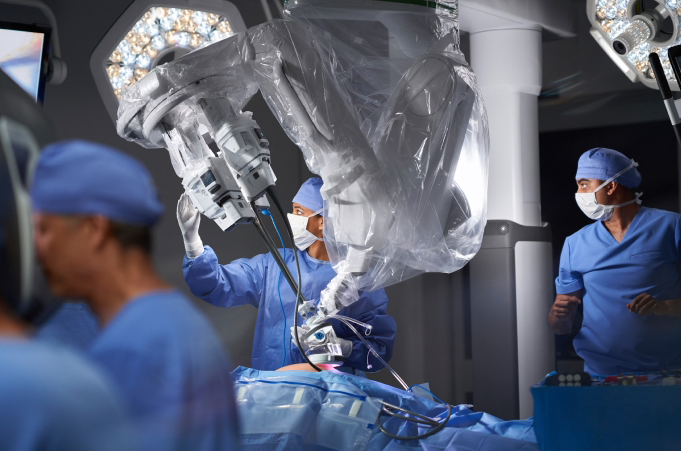
NYGSE understands the emotional challenges of a hysterectomy. We provide personalized care, supported by experienced professionals who will be with you every step of the way.
Your well-being is our priority, and we’re here to offer guidance and support during this significant decision and throughout your treatment journey.
Patients in Babylon and Bay Shore, NY turn to NYGSE for laparoscopic hysterectomy, benefiting from minimally invasive techniques and expert surgical care close to home.
A minimally invasive hysterectomy (laparoscopic, robotic-assisted, or vaginal) can be an excellent option for many people who need definitive surgical treatment of uterine or gynecologic conditions. Ideal candidates typically include those who:
Have benign gynecologic conditions such as:
- Symptomatic uterine fibroids (especially when symptoms - bleeding, pain, bulk - are not controlled by medical therapy)
- Abnormal uterine bleeding unresponsive to medical management
- Adenomyosis causing pain or heavy bleeding
- Chronic pelvic pain attributable to the uterus
- Recurrent or severe endometrial hyperplasia (without invasive cancer)
- Uterine prolapse (vaginal hysterectomy often favored)
- Severe pelvic inflammatory disease sequelae when conservative measures fail
- Need removal of the uterus for early-stage, well-selected gynecologic cancers (e.g., some cases of early endometrial cancer) when oncologic criteria allow minimally invasive approaches.
- Want the benefits of minimally invasive surgery: smaller incisions, less blood loss, shorter hospital stay, faster recovery, and less postoperative pain—provided their anatomy and medical condition are suitable.
Patient- and procedure-specific factors that support candidacy
- Uterine size and shape: Many surgeons can perform minimally invasive hysterectomy for moderately enlarged uteri (e.g., fibroid uteri), though very large uteri or extreme distortion may favor an open approach.
- Body habitus: Obesity is not an absolute contraindication; many obese patients successfully undergo laparoscopic or robotic hysterectomy, though surgeon experience and equipment matter.
- Prior abdominal or pelvic surgeries: Previous surgeries can cause adhesions that make minimally invasive approaches more challenging but not automatically impossible.
- Overall health: Patients should be medically optimized for anesthesia and surgery (e.g., controlled cardiac, pulmonary conditions); some serious comorbidities may increase operative risk and influence the approach.
- Desire for minimization of recovery time and wound complications.
Relative and absolute contraindications
- Absolute contraindications: Suspicion or confirmed advanced gynecologic malignancy requiring extensive open staging, uncontrolled bleeding or sepsis where emergent open surgery is safer.
- Relative contraindications: Extensive intra-abdominal adhesions, very large uterine size beyond surgeon capability, certain complex pelvic anatomy, severe cardiopulmonary disease that limits tolerance of pneumoperitoneum or Trendelenburg positioning. These are assessed individually.
Evaluation before deciding
- Thorough history and pelvic exam
- Pelvic ultrasound or other imaging (MRI/CT) to assess uterine size, fibroid burden, adnexal pathology
- Endometrial sampling if abnormal bleeding
- Medical optimization (e.g., anemia correction, management of comorbidities)
- Discussion of fertility wishes (hysterectomy is definitive - fertility ends)
- Counseling on risks, benefits, and alternative treatments (medical therapy, uterine-sparing procedures)
Shared decision-making
The best approach depends on diagnosis, uterine size and shape, prior surgeries, patient preferences, and surgeon experience. Minimally invasive hysterectomy is appropriate for many patients and often preferred when safe and feasible. Discuss personalized risks, expected recovery, and alternatives with your gynecologic surgeon.
Overview
Both are minimally invasive approaches to remove the uterus. They share the same goals (smaller incisions, less blood loss, faster recovery than open surgery) but differ in the technology and surgeon interface.
Key technical differences
Surgeon interface:
- Robotic: Surgeon sits at a console and controls robotic arms; instruments have wristed, multi‑degree articulation that mimic hand movements.
- Laparoscopic: Surgeon stands at the bedside and manipulates long, rigid instruments directly.
- Visualization:
- Robotic: High‑definition, stable 3D magnified view of the pelvis.
- Laparoscopic: High‑definition 2D or 3D laparoscopes; traditionally 2D is common.
- Instrument movement and precision:
- Robotic: Tremor filtration, scaled motions, and wristed instruments allow finer movements in tight spaces.
- Laparoscopic: Instruments are less flexible (straight), requiring advanced manual dexterity and different hand–eye coordination.
Ergonomics and fatigue:
- Robotic: Improved ergonomics for the surgeon (seated console) and potentially less physical fatigue.
- Laparoscopic: More physically demanding for the surgeon (standing, awkward postures).
Setup and workflow:
- Robotic: Requires docking the robot and instrument exchanges through the system; longer setup time can occur.
- Laparoscopic: Faster setup in many hands; instrument exchanges at the bedside.
Clinical and outcome differences
- Operative time: Robotic cases may have longer total operating-room time (docking + console time), especially during the surgeon’s learning curve; some experienced teams achieve similar times.
- Blood loss, pain, hospital stay, recovery: Most studies show comparable patient outcomes between robotic and traditional laparoscopy for benign hysterectomy (similar blood loss, complication rates, length of stay, and return to activity).
- Conversion to open surgery: Some data suggest lower conversion rates with robotic surgery in complex cases (large uteri, adhesions), but results vary and depend on surgeon skill and case selection.
- Cost: Robotic hysterectomy is generally more expensive due to capital costs, maintenance, and disposable instruments.
- Learning curve: Robotic systems can shorten the learning curve for complex maneuvers compared with conventional laparoscopy for some surgeons, but competency still requires training and volume.
Indications
- Indications overlap completely; choice often depends on surgeon experience, case complexity (e.g., very large fibroid uterus, extensive adhesions), and institutional resources. Robotic systems may be favored for technically challenging anatomy where wristed instruments and 3D vision help.
Choosing between them
- Important factors: surgeon skill and experience with each approach, patient anatomy and comorbidities, complexity of disease, operating-room availability, and cost considerations.
- Outcomes are most influenced by appropriate case selection and surgeon proficiency rather than the platform alone.
Yes–laparoscopic hysterectomy is commonly used to treat complex benign gynecologicconditions such as advanced endometriosis and symptomatic fibroid uteri, but appropriateness depends on disease extent, anatomy, and surgeon experience.
When it’s suitable
- Endometriosis: Laparoscopic hysterectomy (often combined with excision of endometriotic implants and adhesiolysis) is an effective option for severe, symptomatic disease when conservative management and fertility-sparing treatments have failed or are not desired. Laparoscopy allows direct visualization and targeted removal of implants in the pelvis.
- Fibroids: Many patients with fibroid-heavy or moderately enlarged uteri can undergo laparoscopic hysterectomy. Laparoscopy is feasible for multiple or intramural/subserosal fibroids; very large uteri or extreme distortion may favor alternative approaches (vaginal or open) or use of morcellation/dissection techniques as appropriate and safe.
Factors that influence choice
- Uterine size and shape: Very large uteri (extensive fibroid burden) increase technical difficulty and may require conversion to open or use of robotic assistance.
- Adhesions and distortion: Dense adhesions from prior surgery or severe endometriosis can lengthen surgery and increase conversion risk, but experienced laparoscopic surgeons often manage these laparoscopically.
- Involvement of other organs: Bowel, bladder, or ureteral involvement from deep infiltrating endometriosis may require multidisciplinary planning and possible open approach in complex cases.
- Surgeon skill and resources: Outcomes correlate strongly with surgeon experience and available equipment (advanced energy devices, robotics if needed).
- Patient comorbidities and preferences: Medical fitness for pneumoperitoneum/positioning and discussion about recovery, scarring, and fertility loss.
Benefits and risks
- Benefits: Minimally invasive approach usually yields less blood loss, smaller incisions, shorter hospital stay, faster recovery, and quicker return to activities compared with open hysterectomy.
- Risks: Longer operative time in complex cases, potential need for conversion to open surgery, and specific risks if adjacent organs are involved. For fibroids, morcellation has specific safety considerations if malignancy is a concern–preoperative evaluation is essential.
Preoperative evaluation and planning
- Imaging (ultrasound, MRI) to define fibroid size/location and endometriosis extent.
- Bowel/bladder evaluation and consultation with colorectal/urologic surgeons if organ involvement suspected.
- Medical optimization (anemia correction, comorbidity management).
- Clear counseling about alternatives (myomectomy, uterine-sparing therapies, medical/endometriosis-specific treatments) and about fertility implications (hysterectomy is definitive).
Bottom line
Laparoscopic hysterectomy is a valid and often preferred approach for many patients with complex fibroids or endometriosis when performed by experienced surgeons with appropriate preoperative planning; selected very large, extensively infiltrative, or multi‑organ cases may require robotic assistance or open surgery.
Types of Gynecologic Cancer
Pankaj Singhal, MD, MS, MHCM
With over 12 years of experience in both academic and private healthcare, Dr. Singhal has trained more than 45 gynecologic surgeons and fellows in minimally invasive and oncologic procedures. He has pioneered new surgical techniques for endometriosis and laparoscopic surgery, completing more than 5,700 robotic-assisted cases nationwide. Renowned for taking on the most complex cases other centers turn away, Dr. Singhal continues to advance the standard of women’s surgical care.
Have Questions About Your Surgery or Treatment?
Expert treatment. Compassionate care. Real results.

Supracervical Hysterectomy
Common Indications for Supracervical Hysterectomy
A supracervical hysterectomy removes the upper part of the uterus while preserving the cervix. This approach is often recommended for conditions such as fibroids, abnormal uterine bleeding, adenomyosis, or endometriosis when full removal of the cervix is not medically necessary. By keeping the cervix intact, many patients experience maintained pelvic support and a gentler recovery compared to a total hysterectomy.
Why Some Patients Prefer This Option
Personalized Treatment. Proven Results.
For many women, a supracervical hysterectomy offers the benefits of symptom relief with less surgical disruption. Recovery may be faster, postoperative pain may be reduced, and some aspects of sexual function can remain unchanged. While the cervix remains in place—meaning routine cervical screenings continue—the procedure provides a balanced option for women seeking effective treatment with preserved anatomy.
COMMON QUESTIONS ABOUT Supracervical Hysterectomys
Hysterectomy, a widely performed surgery worldwide, is conducted for various reasons, including fibroids, excessive menstrual bleeding, and pelvic pain. A supracervical hysterectomy is a surgical procedure in which the upper part of the uterus is removed while leaving the cervix intact. This type of hysterectomy is often chosen for specific medical reasons or patient preferences. During the surgery, the surgeon detaches and removes the upper portion of the uterus, but the cervix is left in place. This can be beneficial for some women as it preserves the cervix, which may have a role in sexual function and maintaining pelvic support.
One advantage of a supracervical hysterectomy is that it may result in a shorter recovery time and less postoperative pain compared to a total hysterectomy, which involves removing the entire uterus, including the cervix. However, it’s important to note that some women may continue to experience cyclic vaginal bleeding after this procedure.

A common reason for a supracervical hysterectomy is the presence of benign conditions or disorders of the uterus that necessitate the removal of the upper part of the uterus while preserving the cervix. Some of these conditions include:
- Fibroids (Uterine Leiomyomas): Non-cancerous growths in the uterus that can cause pain, heavy menstrual bleeding, and other symptoms. If the fibroids are primarily located in the body of the uterus rather than the cervix, a supracervical hysterectomy may be considered.
- Adenomyosis: A condition where the uterine lining grows into the muscular wall of the uterus, causing pain and heavy menstrual bleeding.
- Chronic Pelvic Pain: Women who experience chronic pelvic pain that is localized in the upper part of the uterus may opt for a supracervical hysterectomy to relieve their symptoms.
- Endometriosis: In cases where endometriosis affects the uterus but not the cervix, a supracervical hysterectomy may be performed to alleviate symptoms.
- Abnormal Uterine Bleeding: When excessive or irregular menstrual bleeding is a problem and other treatments have been ineffective, a supracervical hysterectomy might be considered.
In a supracervical hysterectomy, only the upper part of the uterus is removed, while the cervix is left intact. This procedure can have different effects compared to a total hysterectomy, where the entire uterus, including the cervix, is removed.
Women who undergo a supracervical hysterectomy will no longer experience menstruation, as the upper part of the uterus responsible for shedding the uterine lining during periods is removed. However, because the cervix is preserved, some women may experience less disruption in terms of pelvic support and sexual function compared to those who have had a total hysterectomy. It’s important to note that individual experiences can vary, and some women may still experience changes in sexual sensation or comfort.
A supracervical hysterectomy generally has a shorter recovery time and less postoperative pain compared to a total hysterectomy. This can be beneficial for women who want to return to their regular activities more quickly.
Additionally, routine cervical screening is still necessary after a supracervical hysterectomy to monitor for any cervical issues that may arise in the future.
A Supracervical Hysterectomy typically takes approximately 1 to 2 hours to complete, as it involves removing only the upper part of the uterus while preserving the cervix. On the other hand, a Total Hysterectomy involves the removal of the entire uterus, including the cervix, and may take longer, typically around 1.5 to 2.5 hours.
Laparoscopy plays a significant role in a Supracervical Hysterectomy (LSH), a minimally invasive surgical procedure aimed at removing the upper part of the uterus while preserving the cervix.
During an LSH, small incisions are made in the abdominal wall through which a laparoscope, equipped with a camera and surgical instruments, is inserted. This laparoscopic approach provides our surgeon Dr Pankaj Singhal with a clear and magnified view of the pelvic region, allowing for precise and controlled movements throughout the procedure.
With the laparoscope’s assistance, the surgeon carefully detaches the upper section of the uterus from its surrounding structures, such as ligaments and blood vessels. This detached uterine tissue is then typically removed in pieces through one of the small laparoscopic incisions. Importantly, the cervix is left untouched and preserved, as it is a distinguishing feature of a Supracervical Hysterectomy. The benefits of laparoscopy in this procedure include smaller incisions, reduced postoperative pain, shorter hospital stays, and quicker recovery times, making it a preferred choice for many patients and surgeons.
We understand that facing a Supracervical Hysterectomy can be a challenging and emotionally charged experience. At NYGSE, our commitment is to deliver personalized care that caters to your specific needs. Our team comprises experienced gynecologists and healthcare professionals who will stand by you throughout this journey, offering unwavering support, addressing your questions, and ensuring your comfort at every stage.
Your well-being remains our utmost priority, and we are dedicated to surpassing your expectations by providing top-quality care and individualized attention. If you or someone you care about is contemplating or has a scheduled Supracervical Hysterectomy or has any concerns related to this procedure, please do not hesitate to contact us. We are here to offer guidance and assistance as you navigate this crucial decision-making process and embark on your treatment path.
For women in Babylon and Bay Shore, NY exploring alternatives to full uterine removal, NYGSE offers supracervical hysterectomy with a focus on preserving anatomy when appropriate while delivering highly specialized surgical care close to home.
A supracervical (also called subtotal) hysterectomy and a total hysterectomy both remove the uterus, but the main difference is whether the cervix is taken out. In a supracervical procedure the uterine body is removed while the cervix is left in place; in a total hysterectomy the surgeon removes the entire uterus including the cervix.
That distinction has a few practical implications. With a supracervical hysterectomy there’s a small chance of ongoing bleeding or cyclic spotting if some endocervical tissue remains, and you will still need routine cervical screening (Pap/HPV) after surgery. A total hysterectomy eliminates the possibility of uterine-source bleeding and, if the cervix was normal and removed, usually means you no longer need cervical cancer screening.
From a recovery and complication standpoint, the two operations are broadly similar. Some studies suggest supracervical procedures can be slightly quicker with marginally less blood loss, but differences are generally small and depend on the surgeon and approach (vaginal, laparoscopic, or abdominal). Neither procedure reliably changes long-term sexual function or pelvic support in a consistent way.
Which is best comes down to the reason for surgery and patient preference. If there’s cervical dysplasia, cancer risk, or uncertainty about the cervix, a total hysterectomy is usually recommended. If the cervix is healthy and a patient prefers to keep it—and accepts the need for future screening and a small risk of bleeding—then a supracervical hysterectomy can be a reasonable option. In either case, decisions about removing ovaries or fallopian tubes are separate and affect hormone outcomes independently.
Types of Gynecologic Cancer
Pankaj Singhal, MD, MS, MHCM
With over 12 years of experience in both academic and private healthcare, Dr. Singhal has trained more than 45 gynecologic surgeons and fellows in minimally invasive and oncologic procedures. He has pioneered new surgical techniques for endometriosis and laparoscopic surgery, completing more than 5,700 robotic-assisted cases nationwide. Renowned for taking on the most complex cases other centers turn away, Dr. Singhal continues to advance the standard of women’s surgical care.
Have Questions About Your Surgery or Treatment?
Expert treatment. Compassionate care. Real results.

Hysterectomy
Hysterectomy: What Patients Need to Know
A hysterectomy is one of the most commonly performed gynecologic surgeries and is often recommended for conditions such as fibroids, endometriosis, adenomyosis, chronic pelvic pain, or abnormal bleeding that has not responded to other treatments. At New York Gynecology Surgery (NYGS), we use advanced laparoscopic and robotic techniques to make the procedure safer, more precise, and far less invasive than traditional surgery. Below is an overview of when a hysterectomy may be recommended, what the procedure involves, and what patients can expect during recovery.
Compassionate, Individualized Care for Every Woman
Personalized Treatment. Proven Results.
A hysterectomy is one of the most commonly performed gynecologic surgeries and is often recommended for conditions such as fibroids, endometriosis, adenomyosis, chronic pelvic pain, or abnormal bleeding that has not responded to other treatments. At New York Gynecology Surgery (NYGS), we use advanced laparoscopic and robotic techniques to make the procedure safer, more precise, and far less invasive than traditional surgery. Below is an overview of when a hysterectomy may be recommended, what the procedure involves, and what patients can expect during recovery.
COMMON QUESTIONS ABOUT Hysterectomies
A hysterectomy, which involves the surgical removal of the uterus, ranks as the second most frequent surgical procedure for females, following closely behind cesarean section (C-section).
Data from the Centers for Disease Control and Prevention (CDC) reveals that the United States boasts the highest rate of hysterectomy surgeries globally, with an annual count exceeding 600,000. Further statistics indicate that approximately 20 million American women have undergone a hysterectomy, and it is estimated that about one in every three women will experience this procedure by the time they reach the age of 60.
There are several medical reasons why a hysterectomy may be recommended by a healthcare provider. Some of the common indications for a hysterectomy include:
- Uterine Fibroids: These are benign growths in the uterus that can lead to heavy menstrual bleeding, pelvic discomfort, and pressure on nearby organs. When fibroids reach a significant size or cause substantial symptoms, a hysterectomy may be considered as a treatment option.
- Endometriosis: This condition involves tissue similar to the uterine lining growing outside the uterus. Severe cases of endometriosis that do not respond to alternative treatments may necessitate a hysterectomy.
- Uterine Prolapse: This occurs when the uterus descends into the vaginal canal, causing discomfort, pelvic pressure, and urinary incontinence. In certain instances, a hysterectomy may be required to correct this condition.
- Chronic Pelvic Pain: When persistent pelvic pain believed to be linked to the uterus does not respond to other therapies, a hysterectomy may be suggested as a final recourse.
- Adenomyosis: This condition involves the endometrial tissue growing into the muscular wall of the uterus, leading to heavy bleeding and pain. In severe cases, a hysterectomy may be an option.
- Uterine Cancer: If cancer is detected within the uterus, a hysterectomy may be performed as part of the treatment, often in conjunction with other treatments like radiation or chemotherapy.
- Abnormal Uterine Bleeding: Excessive or irregular menstrual bleeding that remains unresponsive to other treatments may result in a hysterectomy to alleviate symptoms and address underlying concerns.
- Pelvic Inflammatory Disease (PID): In cases of severe PID that do not improve with antibiotics and other therapies, a hysterectomy may be recommended to prevent the spread of infection and safeguard overall health.
- Preventive Measures: In some cases, a hysterectomy may be considered as a preventive measure for women with a strong family history of uterine or ovarian cancer, or if they have a genetic predisposition to these conditions.
There are various types of hysterectomy procedures, each with its own set of considerations.
New York Gynecology Surgery & Endometriosis (NYGSE) will engage in a comprehensive discussion with you, outlining the potential risks, benefits, and side effects associated with each option. It is crucial to schedule an appointment with NYGSE about the advisability of removing the ovaries and fallopian tubes during your hysterectomy. The types of hysterectomies available include:
Total Hysterectomy: This procedure involves the complete removal of both the uterus and the cervix, and it is the most commonly performed type.
Partial Hysterectomy (also known as a supracervical hysterectomy): In this approach, only the uterus is removed, while the cervix is left intact. Ongoing research explores the advantages and drawbacks of preserving the cervix in this procedure.
Radical Hysterectomy: This comprehensive surgery entails the removal of the uterus, cervix, and the upper portion of the vagina. Radical hysterectomy is typically reserved for cases of cancer treatment.
The duration of the procedure typically falls within a range of one to three hours.
This timeframe may vary based on factors such as the size of your uterus, the necessity to address scar tissue from prior surgeries, and whether additional tissues, such as endometrial tissue, fallopian tubes, or ovaries, need to be removed along with your uterus.
Laparoscopy in hysterectomy represents a significant advancement in gynecological surgery, offering patients a minimally invasive alternative to traditional open procedures. This innovative approach involves making small incisions in the abdominal area, through which a laparoscope (a tiny camera) and specialized instruments are introduced to perform the surgery.
One of the key advantages of laparoscopic hysterectomy is the reduction in surgical trauma. Unlike open surgery, which necessitates a larger abdominal incision, laparoscopy minimizes tissue damage, resulting in less postoperative pain, reduced blood loss, and shorter hospital stays.
Moreover, patients often experience a quicker recovery and return to their daily activities sooner, making it an appealing option for those facing uterine conditions like fibroids, endometriosis, or gynecological cancers.
The role of laparoscopy in hysterectomy extends beyond its minimally invasive nature. It provides surgeons with enhanced visualization and precision, allowing for meticulous removal of the uterus and, if necessary, surrounding tissues like the fallopian tubes or ovaries.
We recognize that facing a hysterectomy can be a daunting and emotionally challenging experience. At NYGSE, we are committed to providing personalized care tailored to your unique needs. Our team of experienced gynecologists and healthcare professionals will stand by your side throughout this journey, offering support, answering your queries, and ensuring your comfort every step of the way.
Your well-being is our top priority, and we are dedicated to exceeding your expectations by delivering high-quality care and attention. If you or a loved one is considering or scheduled for a hysterectomy or has any concerns related to this procedure, please reach out to us promptly. We are here to provide guidance and support during this important decision-making process and throughout your entire treatment journey.
For women in Babylon and Bay Shore, NY considering a hysterectomy, NYGSE provides comprehensive surgical care with a focus on selecting the right approach for each patient’s condition, symptoms, and long-term health.
A hysterectomy is the surgical procedure itself (removal of the uterus), while laparoscopic hysterectomy refers to the specific technique used to perform the surgery.
Key Differences:
Hysterectomy Types by Approach:
- Open hysterectomy: Large abdominal incision (5-7 inches)
- Laparoscopic hysterectomy: 3-4 small incisions (0.5-1 inch each) using a camera and specialized instruments
- Vaginal hysterectomy: Removal through the vagina with no external incisions
- Robotic-assisted laparoscopic hysterectomy: Enhanced precision using robotic technology
Laparoscopic Hysterectomy Benefits:
- Smaller incisions and minimal scarring
- Faster recovery time (2-4 weeks vs. 6-8 weeks)
- Less post-operative pain
- Reduced risk of infection
- Shorter hospital stay (often same-day or overnight)
- Quicker return to normal activities
Recovery Comparison:
Open hysterectomy: 6-8 weeks full recovery
Laparoscopic hysterectomy: 2-4 weeks full recovery
Candidacy:
Not all patients are candidates for laparoscopic approach. Factors include uterine size, previous surgeries, and specific medical conditions.
Bottom line: Laparoscopic hysterectomy is a minimally invasive technique for performing a hysterectomy, offering significant advantages in recovery time and patient comfort compared to traditional open surgery.
Most women requiring hysterectomy are candidates for minimally invasive approaches (laparoscopic or robotic-assisted), but eligibility depends on specific medical factors and uterine characteristics.
Ideal Candidates Include Women With:
Medical Conditions:
- Uterine fibroids (small to moderate size)
- Endometriosis
- Abnormal uterine bleeding
- Uterine prolapse (mild to moderate)
- Chronic pelvic pain
- Precancerous cervical conditions
- Early-stage gynecologic cancers
Physical Characteristics:
- Uterine size less than 12-16 weeks gestational size
- Normal uterine mobility
- Adequate vaginal access
- No extensive pelvic adhesions
Factors That May Require Open Surgery:
Contraindications:
- Very large uterus (>16-20 weeks size)
- Extensive endometriosis with severe adhesions
- History of multiple abdominal surgeries
- Suspected advanced cancer requiring extensive staging
- Certain heart or lung conditions
- Inability to tolerate general anesthesia positioning
Relative Contraindications:
- Obesity (BMI >40) - case-by-case evaluation
- Previous cesarean sections (may increase complexity)
- Large ovarian masses
Success Rates:
- 85-90% of hysterectomies can be performed minimally invasively
- Success depends on surgeon experience and patient factors
Evaluation Process:
Your gynecologic surgeon will assess your specific case through physical examination, imaging studies, and medical history to determine the best surgical approach.
Bottom line: Most women are candidates for minimally invasive hysterectomy, with patient selection based on uterine size, medical conditions, and individual anatomy.
You should consult a gynecologic surgeon when conservative treatments have failed to address severe gynecologic conditions that significantly impact your quality of life, or when immediate surgical intervention is medically necessary.
Immediate Consultation Required:
Urgent Conditions:
- Heavy bleeding causing anemia or requiring blood transfusion
- Suspected gynecologic cancer
- Large fibroids causing severe symptoms
- Uterine prolapse interfering with daily activities
- Severe endometriosis unresponsive to medical management
Emergency Situations:
- Uncontrolled uterine bleeding
- Severe pelvic pain with suspected complications
- Signs of infection or sepsis
Consider Surgical Consultation When:
Failed Conservative Treatment:
- Hormonal therapies ineffective after 3-6 months
- Multiple medication trials unsuccessful
- Minimally invasive procedures (ablation, embolization) have failed
- Symptoms worsening despite treatment
Quality of Life Impact:
- Missing work/activities due to heavy periods
- Chronic pelvic pain affecting daily function
- Bladder/bowel problems from uterine prolapse
- Sexual dysfunction from gynecologic conditions
Specific Symptoms Warranting Evaluation:
Bleeding Issues:
- Periods lasting longer than 7 days
- Bleeding between periods
- Post-menopausal bleeding
- Soaking through protection hourly
Pain and Pressure:
- Severe menstrual cramps unrelieved by medication
- Chronic pelvic pressure or fullness
- Pain during intercourse
- Lower back pain from enlarged uterus
Long Island Considerations:
Access to Specialists:
- Board-certified gynecologic surgeons available
- Advanced minimally invasive techniques offered
- Multidisciplinary care teams
- Same-day consultation options available
Bottom line: See a gynecologic surgeon when symptoms significantly impact your life, conservative treatments have failed, or you have concerning symptoms requiring expert evaluation and potential surgical intervention.
Types of Gynecologic Cancer
Pankaj Singhal, MD, MS, MHCM
With over 12 years of experience in both academic and private healthcare, Dr. Singhal has trained more than 45 gynecologic surgeons and fellows in minimally invasive and oncologic procedures. He has pioneered new surgical techniques for endometriosis and laparoscopic surgery, completing more than 5,700 robotic-assisted cases nationwide. Renowned for taking on the most complex cases other centers turn away, Dr. Singhal continues to advance the standard of women’s surgical care.
Have Questions About Your Surgery or Treatment?
Expert treatment. Compassionate care. Real results.

All Endometriosis Cases That We Treat
The Most Complex Robotic Endometriosis
Surgery Center in the Nation
At New York Gynecology Surgery & Endometriosis (NYGSE), we specialize in the most challenging and advanced endometriosis cases—those involving the bowel, bladder, ureters, diaphragm, nerves, pelvic sidewalls, and deep infiltrating disease that most surgeons and centers will not treat. Endometriosis is not cancer, but it grows, invades, and spreads like one. As a cancer-trained surgeon with more than 10,000 robotic endometriosis and gynecologic surgeries, Dr. Singhal performs radical, ultra-precise resections with a level of expertise unmatched in conventional OB/GYN or minimally invasive gynecology. Patients from across the country and around the world come to NYGSE when every other doctor has said “no.”
Most Complex Robotic Endometriosis Cases
Where Endometriosis Can Occur
The uterus is a pear-shaped organ in the female reproductive system responsible for housing and nourishing a developing fetus during pregnancy.
Deep endometriosis of the uterus involves the infiltration of endometrial tissue into the deeper layers of the uterine muscle, potentially causing pain, scarring, and distortion of the uterine structure. Superficial endometriosis of the uterus refers to the presence of endometrial tissue on the surface of the uterine lining without penetrating deeply into the muscle layer.
Adenomyosis of the uterus is a separate condition where endometrial tissue grows into the muscular wall of the uterus, leading to thickening of the uterine wall, painful menstruation, and sometimes heavy bleeding. While all these conditions involve endometrial tissue, they differ in terms of the depth of tissue infiltration and specific location within or around the uterus, contributing to variations in symptoms and potential complications.
The ovary is an essential reproductive organ in females responsible for producing eggs and releasing hormones. Deep endometriosis of the ovary involves the infiltration of endometrial tissue into the deeper layers of the ovary, potentially forming cysts called endometriomas and leading to scarring and distortion of ovarian tissue. Superficial endometriosis of the ovary refers to the presence of endometrial tissue on the surface of the ovary without infiltration into its deeper layers.
Both types of endometriosis of the ovary can cause pelvic pain and may impact fertility, but deep endometriosis tends to be associated with more severe symptoms and potential complications due to the involvement of deeper ovarian structures.
The fallopian tube is a slender, tube-like structure connecting the ovaries to the uterus, serving as a passageway for eggs released by the ovaries to travel to the uterus.
Deep endometriosis of the fallopian tube involves the infiltration of endometrial tissue into the deeper layers of the tube, potentially causing inflammation, scarring, and blockages that may impair fertility. Superficial endometriosis of the fallopian tube refers to the presence of endometrial tissue on the outer surface of the tube without infiltration into its deeper layers.
Both types of endometriosis of the fallopian tube can lead to symptoms such as pelvic pain and may impact fertility, though the severity and specific implications can vary between individuals.
The pelvic peritoneum refers to the membrane lining the pelvic cavity, providing support and protection to pelvic organs. The anterior cul-de-sac is the space between the bladder and uterus in females. The posterior cul-de-sac is the space between the uterus and rectum. The pelvic sidewall consists of the muscles and connective tissues along the sides of the pelvic cavity, contributing to pelvic support and stability. The pelvic brim is the boundary between the pelvic cavity and the abdominal cavity, demarcating the entrance to the pelvis. The uterosacral ligaments are fibrous bands that attach the uterus to the sacrum, providing structural support to the uterus and helping maintain its position within the pelvis.
The rectovaginal septum is the anatomical structure separating the rectum from the vagina, while the vagina is a muscular canal connecting the external genitalia to the cervix, forming part of the female reproductive system.
Endometriosis of the rectovaginal septum and vagina refers to the presence of endometrial-like tissue growth in these respective anatomical regions, potentially causing symptoms such as pelvic pain, painful intercourse, and discomfort.
The intestine is a vital component of the digestive system, comprising the small intestine, where nutrient absorption primarily occurs, and the large intestine, which includes the sigmoid colon, cecum, appendix, and various other segments such as the ascending, transverse, and descending colon. The sigmoid colon, forming the final part of the large intestine before the rectum, stores feces before elimination, while the rectum serves as the final section of the large intestine where feces are stored before expulsion. The cecum, located at the beginning of the large intestine, aids in fluid and salt absorption. The appendix, a small extension attached to the cecum, has debated functions potentially related to the immune system.
Overall, these structures work synergistically to process food, absorb nutrients, and facilitate waste elimination in the human body’s digestive process.
Endometriosis of a cutaneous scar occurs when endometrial tissue implants and grows within a surgical or traumatic scar on the skin, resulting in pain, swelling, and the formation of nodules or cysts at the scar site. The prevalence of endometriosis occurring within cutaneous scars is relatively low, estimated to affect around 1% to 2% of individuals with endometriosis.
The bladder is a hollow organ located in the pelvis responsible for storing urine before it is expelled from the body, while the ureters are narrow tubes that carry urine from the kidneys to the bladder.
Deep endometriosis of the bladder or ureters involves the infiltration of endometrial tissue into the deeper layers of these organs, potentially causing inflammation, scarring, and obstruction of urine flow, leading to symptoms such as pelvic pain, urinary urgency, and recurrent urinary tract infections. Superficial endometriosis of the bladder or ureters, however, refers to the presence of endometrial tissue on the surface of these organs without penetrating deeply into their layers.
Both types of endometriosis of the bladder or ureters can result in significant discomfort and may require a combination of medical and surgical interventions for management.
Endometriosis of the cardiothoracic space refers to the presence of endometrial-like tissue growth within the chest cavity, potentially affecting structures such as the pleura, lung and mediastinal spaces.
Pleural endometriosis involves the infiltration of endometrial tissue into the lining of the lungs and chest cavity, leading to symptoms such as chest pain and shortness of breath. Lung endometriosis occurs when endometrial-like implants are found within the lung tissue, sometimes causing symptoms like coughing up blood or chest discomfort. Mediastinal endometriosis involves the growth of endometrial-like tissue within the mediastinum, the space in the middle of the chest containing the heart, esophagus, and other vital structures.
Deep endometriosis of the diaphragm refers to the infiltration of endometrial tissue into the muscular or connective tissue layers of the diaphragm, potentially causing referred pain and respiratory symptoms. Superficial endometriosis of the diaphragm, however, describes the presence of endometrial tissue on the surface of the diaphragm without penetrating deeply into its layers.
Abdominal endometriosis refers to the presence of endometrial tissue outside the uterus within the abdomen, often causing pain and infertility.
The umbilicus, commonly known as the belly button, is a central point on the abdomen where the umbilical cord was attached during fetal development. The inguinal canal is a passage in the lower abdomen through which structures like the spermatic cord in males or the round ligament of the uterus in females pass.
Extra-pelvic abdominal peritoneum refers to the peritoneal lining that extends beyond the pelvic cavity into the abdomen, serving as a protective membrane for abdominal organs. The anterior abdominal wall is the front portion of the abdomen, consisting of layers of muscle and fascia that provide support and protection for the abdominal organs.
Endometriosis of the pelvic nerves involves the infiltration of endometrial tissue into the nerves within the pelvic region, potentially leading to neuropathic pain and dysfunction.
Sacral splanchnic nerves are responsible for transmitting sensory and motor signals between the pelvic organs and the sacral spinal cord, and endometriosis in these nerves can cause pelvic pain and disruptions in organ function. Sacral nerve roots originate from the sacral region of the spinal cord and can be affected by endometriosis, contributing to pelvic pain and discomfort. Endometriosis involving the obturator nerve, which innervates the inner thigh and pelvic region, can result in pain during movement and intercourse.
Endometriosis affecting the sciatic nerve, the largest nerve in the body, can lead to radiating pain, numbness, and weakness in the lower back, buttocks, and legs. The pudendal nerve, responsible for sensation in the genital and perineal area, can be impacted by endometriosis, causing pelvic pain and sexual dysfunction. Endometriosis involving the femoral nerve, which supplies sensation to the thigh and leg, may result in pain and weakness in these regions, potentially affecting mobility and quality of life.
Endometriosis of the pelvic nerves involves the infiltration of endometrial tissue into the nerves within the pelvic region, potentially leading to neuropathic pain and dysfunction.
Sacral splanchnic nerves are responsible for transmitting sensory and motor signals between the pelvic organs and the sacral spinal cord, and endometriosis in these nerves can cause pelvic pain and disruptions in organ function. Sacral nerve roots originate from the sacral region of the spinal cord and can be affected by endometriosis, contributing to pelvic pain and discomfort. Endometriosis involving the obturator nerve, which innervates the inner thigh and pelvic region, can result in pain during movement and intercourse.
Endometriosis affecting the sciatic nerve, the largest nerve in the body, can lead to radiating pain, numbness, and weakness in the lower back, buttocks, and legs. The pudendal nerve, responsible for sensation in the genital and perineal area, can be impacted by endometriosis, causing pelvic pain and sexual dysfunction. Endometriosis involving the femoral nerve, which supplies sensation to the thigh and leg, may result in pain and weakness in these regions, potentially affecting mobility and quality of life.
Serving patients in Babylon, Bay Shore, and throughout Long Island, NYGSE specializes in advanced endometriosis treatment and surgical care.
Advanced endometriosis is not limited to the uterus and ovaries. It can invade the bowel, bladder, ureters, pelvic nerves, diaphragm, abdominal wall, and even the chest cavity. Below is a complete overview of every anatomical location where endometriosis may develop — all of which NYGSE is uniquely equipped to diagnose and surgically treat.
Pankaj Singhal, MD, MS, MHCM
With over 12 years of experience in both academic and private healthcare, Dr. Singhal has trained more than 45 gynecologic surgeons and fellows in minimally invasive and oncologic procedures. He has pioneered new surgical techniques for endometriosis and laparoscopic surgery, completing more than 5,700 robotic-assisted cases nationwide. Renowned for taking on the most complex cases other centers turn away, Dr. Singhal continues to advance the standard of women’s surgical care.
Have Questions About Your Surgery or Treatment?
Expert treatment. Compassionate care. Real results.

Stage 4 Endometriosis
Understanding the Stages 4 Endometriosis
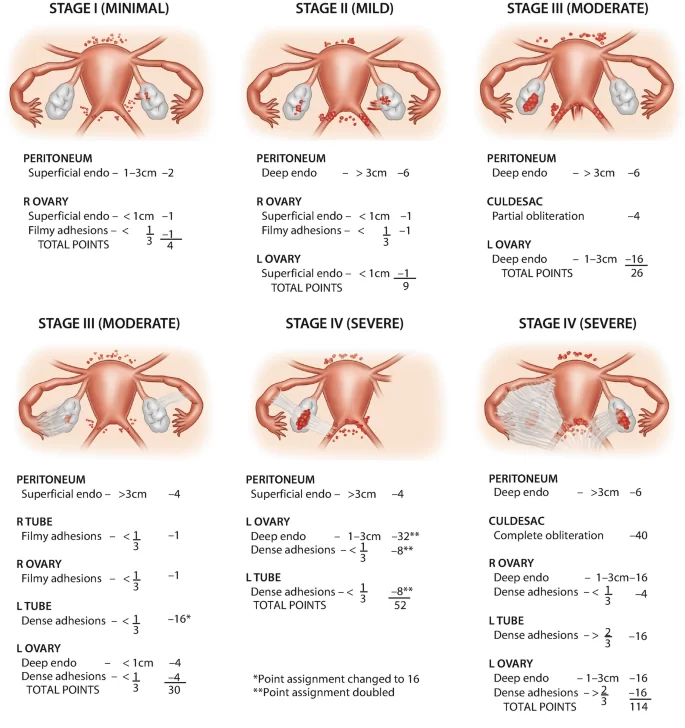
Stage 4 endometriosis represents the most extensive form of the disease, marked by widespread lesions, deep infiltration, and significant adhesions involving multiple pelvic organs. At this stage, endometrial-like tissue may heavily distort normal anatomy and contribute to severe symptoms or fertility challenges. The following section explains what defines Stage 4 disease and how it impacts the body.
This chart represents the rASRM scoring criteria for Stage IV endometriosis, the severe stage of the condition.
Stage IV is characterized by extensive deep implants, large endometriomas, and dense adhesions that may fuse pelvic organs together. The scoring reflects the highest level of structural involvement and disease spread.
Even at this advanced stage, symptoms do not always correspond to the severity of findings — some individuals have intense pain, while others may have minimal discomfort.
COMMON QUESTIONS ABOUT Stage 4 Endometriosis
Stage 4 endometriosis is the most severe stage of endometriosis, a condition in which the tissue similar to the lining of the uterus, called the endometrium, grows outside the uterus. In stage 4 endometriosis, the implants of endometrial tissue are deeply infiltrating and widespread. These implants may be found not only in the pelvic region but also on other organs such as the ovaries, fallopian tubes, bladder, intestines, and even the diaphragm.
The severity of stage 4 endometriosis is determined by the extent of the implants and the presence of adhesions, which are abnormal bands of scar tissue that can cause organs to stick together. The implants and adhesions can lead to severe pain, inflammation, and distortion of the affected organs. Stage 4 endometriosis may also be associated with complications like ovarian cysts (endometriomas) and infertility.
Stage 4 endometriosis, being the most severe stage of the condition, is often associated with a range of pronounced and debilitating symptoms. These symptoms can vary from person to person, but common manifestations of stage 4 endometriosis may include:
- Chronic Pelvic Pain: Women with stage 4 endometriosis often experience intense and persistent pelvic pain that may worsen during menstruation or intercourse. The pain may also be present throughout the menstrual cycle.
- Dysmenorrhea: Stage 4 endometriosis is frequently accompanied by severe menstrual cramps, known as dysmenorrhea. These cramps can be debilitating and may interfere with daily activities.
- Painful Intercourse (Dyspareunia): The presence of endometrial implants and adhesions in the pelvic region can lead to pain or discomfort during sexual intercourse.
- Gastrointestinal Disturbances: Endometrial implants on the intestines or other abdominal organs can cause gastrointestinal symptoms such as bloating, constipation, diarrhea, nausea, and rectal pain.
- Urinary Issues: Endometriosis affecting the bladder or ureters can result in urinary symptoms such as frequent urination, urgency, pain or discomfort during urination, or blood in the urine.
- Fatigue: Chronic pain and the impact on overall health can contribute to fatigue and a general feeling of low energy.
- Fertility Problems: Stage 4 endometriosis is associated with a higher likelihood of infertility or difficulty in conceiving due to the distortion and blockage of the reproductive organs.
It is important to note that the severity of symptoms can vary among individuals, and some women with stage 4 endometriosis may experience more or fewer symptoms than others. Additionally, the presence and intensity of symptoms may not necessarily correlate with the stage of endometriosis, as symptom severity can be influenced by various factors, including individual pain tolerance and the location of endometrial implants. Proper diagnosis and consultation with a healthcare professional are crucial for evaluating symptoms and determining the appropriate management plan for stage 4 endometriosis.
Life-threatening Complications in Stage 4 Endometriosis
Stage 4 endometriosis, as a standalone condition, is not directly linked to death. However, in rare cases, severe complications arising from stage 4 endometriosis can potentially lead to life-threatening situations. These complications are extremely uncommon, but they include scenarios such as ovarian endometrioma rupture, bowel obstruction or perforation, or kidney involvement.
In such cases, immediate medical attention and intervention are necessary to prevent life-threatening consequences. It is important to note that with proper medical management, including timely diagnosis, effective pain management, and surgical intervention when needed, the majority of women with stage 4 endometriosis can lead productive lives and successfully manage their condition.
It is crucial for individuals experiencing symptoms or concerns related to endometriosis to request an appointment with New York Gynecology Endometriosis (NYGE) for proper evaluation, diagnosis, and management to ensure the best possible outcomes.
Diagnosing stage 4 endometriosis typically involves a combination of medical history assessment, physical examinations, imaging techniques, and, in many cases, surgical exploration. Here is an overview of the diagnostic approaches commonly used:
- Medical History Assessment: The healthcare provider will start by discussing the patient’s symptoms, including the nature, duration, and intensity of pelvic pain, menstrual abnormalities, and other related symptoms. A detailed medical history helps in evaluating the likelihood of endometriosis and ruling out other possible conditions.
- Physical Examination: A pelvic examination is performed to assess the pelvic organs for any abnormalities, such as the presence of masses, tenderness, or nodules. However, it’s important to note that physical examination alone cannot definitively diagnose endometriosis.
- Imaging Techniques: Various imaging modalities may be used to support the diagnosis of endometriosis. These include:
- Transvaginal Ultrasound: This type of ultrasound is conducted by inserting a small probe into the vagina to visualize the pelvic organs. It can help detect ovarian cysts (endometriomas) and identify large endometrial growths or adhesions
- Magnetic Resonance Imaging (MRI): An MRI scan may be recommended to obtain detailed images of the pelvic region. It can help visualize endometrial implants, adhesions, and their involvement with surrounding organs.
- Laparoscopy: Laparoscopy is considered the gold standard for diagnosing endometriosis, including stage 4. It is a surgical procedure performed under general anesthesia. The surgeon makes small incisions in the abdomen and inserts a thin, lighted instrument called a laparoscope to visualize the pelvic organs directly. During laparoscopy, the surgeon can identify and classify the extent of endometrial implants, adhesions, and other abnormalities associated with endometriosis. Biopsy samples may also be taken for confirmation of the diagnosis.
It’s important to note that the definitive diagnosis of endometriosis, including stage 4, can only be made through laparoscopy and histological examination of the tissue samples obtained during the procedure.
Patients in Babylon and Bay Shore, NY facing Stage 4 endometriosis turn to NYGSE for highly specialized care, where complex cases are evaluated in depth and treated with advanced surgical expertise close to home.
Surgical Treatment for Stage 4 Endometriosis
Surgical treatment plays a significant role in managing stage 4 endometriosis. As the most severe form of the condition, stage 4 endometriosis often requires surgical intervention to alleviate symptoms, address complications, and improve the quality of life for affected individuals. The surgical approaches used for stage 4 endometriosis can vary depending on the specific circumstances and goals of the patient.
Here are some common surgical treatments for stage 4 endometriosis:
Laparoscopic surgery, also known as minimally invasive surgery, is a common approach for treating stage 4 endometriosis. During the procedure, small incisions are made in the abdomen, and a laparoscope (a thin, lighted instrument) is inserted to visualize the pelvic organs. The surgeon then excises or removes the endometrial implants, adhesions, and scar tissue. Laparoscopic excision aims to alleviate pain, restore organ function, and improve fertility when applicable.
According to Healthcare Bluebook, the cost of laparoscopic excision of endometriosis can vary depending on the location, healthcare provider, and type of insurance. On average, the cost of the procedure can range from $4,000 to $15,000. It’s important to note that these are estimated costs and may not reflect the actual cost you may incur.
To obtain an accurate cost estimate, it is advisable to request an appointment with New York Gynecology Surgery & Endometriosis (NYGSE).
In cases where stage 4 endometriosis is causing severe symptoms, impacting multiple organs, or if fertility preservation is not a concern, a hysterectomy may be recommended. A hysterectomy involves the removal of the uterus and, in some cases, may also include the removal of the ovaries and fallopian tubes (salpingo-oophorectomy). This surgical option can be an effective solution for managing endometriosis-related pain and reducing the risk of recurrence.
According to a report by the Healthcare Cost and Utilization Project (HCUP), the average cost of a hysterectomy in the United States ranges from $5,000 to $12,000. However, this is an average estimate and does not include additional expenses such as pre-operative consultations, lab tests, anesthesia fees, hospital stay, medications, and post-operative care.
Bowel resection is a surgical procedure that may be required in cases of stage 4 endometriosis when the endometrial implants infiltrate the intestines or cause significant complications such as bowel obstruction or perforation. This specialized surgical intervention aims to remove the affected portion of the bowel and restore normal bowel function.
In stage 4 endometriosis, endometrial implants can invade the walls of the intestines, leading to adhesions, scar tissue, and potential bowel complications. Symptoms such as severe abdominal pain, bowel obstruction, rectal bleeding, or perforation may indicate the need for bowel resection.
Bowel resection in stage 4 endometriosis requires specialized surgical skills and may involve a multidisciplinary approach with gynecologists and colorectal surgeons working together to address the complex nature of the condition.
Pankaj Singhal, MD, MS, MHCM
With over 12 years of experience in both academic and private healthcare, Dr. Singhal has trained more than 45 gynecologic surgeons and fellows in minimally invasive and oncologic procedures. He has pioneered new surgical techniques for endometriosis and laparoscopic surgery, completing more than 5,700 robotic-assisted cases nationwide. Renowned for taking on the most complex cases other centers turn away, Dr. Singhal continues to advance the standard of women’s surgical care.
Have Questions About Your Surgery or Treatment?
Expert treatment. Compassionate care. Real results.

Stage 3 Endometriosis
Understanding the Stages 3 Endometriosis
Stage 3 endometriosis, also known as moderate endometriosis, involves deeper lesions, larger implants, and the beginning of significant adhesions throughout the pelvis. Endometriomas (ovarian cysts) may be present, and organs can start to become tethered together due to scar tissue. At this stage, symptoms often intensify, with more persistent pelvic pain, painful intercourse, gastrointestinal discomfort, and increasing fertility challenges. The following sections outline the characteristics, symptoms, risks, and diagnostic approach for Stage 3 endometriosis.
This chart highlights how the rASRM scoring system categorizes Stage III endometriosis, classified as moderatedisease.
At this stage, deeper implants, ovarian endometriomas, and more noticeable adhesions are common. The scoring reflects increased tissue involvement and the beginning of organ distortion due to scar tissue.
Despite being considered “moderate,” symptom intensity varies greatly — some individuals experience severe pain, while others may have fewer noticeable symptoms.
COMMON QUESTIONS ABOUT Stage 3 Endometriosis
Stage 3 endometriosis represents a more advanced level of the condition within the established staging system. In this stage, the endometrial-like tissue has developed into larger and deeper implants that can affect various pelvic structures, including the ovaries, fallopian tubes, and uterus. These implants may form cysts called endometriomas and create adhesions, which are abnormal bands of tissue that cause organs to stick together. As a result, individuals with Stage 3 endometriosis commonly experience moderate to severe pelvic pain, especially during menstruation and sexual activity.
The symptoms might also extend beyond the pelvic region, leading to gastrointestinal discomfort, urinary issues, and overall decreased quality of life. Fertility problems can become more pronounced at this stage due to the increased extent of tissue involvement and the potential obstruction of fallopian tubes or distortion of reproductive organs. Accurate diagnosis and a comprehensive management approach are crucial to address pain, manage inflammation, and consider fertility options for those seeking to conceive.
Stage 3 endometriosis is characterized by the presence of moderate to severe lesions, adhesions, and tissue involvement in the pelvic region. As a result, individuals with Stage 3 endometriosis often experience a range of symptoms that can significantly impact their daily lives. These symptoms may include:
- Severe Pelvic Pain: Women with Stage 3 endometriosis often experience severe pelvic pain, especially during menstruation, sexual intercourse, and ovulation. The pain can radiate to the lower back and thighs.
- Dyspareunia: Painful sexual intercourse (dyspareunia) is a prevalent symptom in Stage 3 endometriosis, caused by the presence of endometrial tissue and adhesions in the pelvic area.
- Gastrointestinal Symptoms: Endometrial implants on or near the intestines can lead to gastrointestinal issues such as bloating, abdominal pain, cramping, constipation, and diarrhea.
- Urinary Issues: Lesions affecting the bladder or ureters can cause urinary symptoms like frequent urination, urgency, pain during urination, and sometimes blood in the urine.
- Infertility: Stage 3 endometriosis can result in fertility problems due to adhesions obstructing the fallopian tubes or affecting the ovaries’ function, potentially leading to difficulties in conceiving.
- Painful Bowel Movements: Endometrial tissue on the bowel can cause pain and discomfort during bowel movements, often accompanied by rectal bleeding.
- Chronic Fatigue: The persistent pain, inflammation, and hormonal imbalances associated with Stage 3 endometriosis can lead to chronic fatigue and a decrease in energy levels.
These symptoms can vary in severity among individuals and can significantly impact daily life.
If you suspect you may have endometriosis or are experiencing any symptoms of concern, it’s essential to request an appointment with New York Gynecology Endometriosis (NYGE) to seek medical advice and evaluation.
Life-threatening Complications in Stage 3 Endometriosis
While Stage 3 endometriosis primarily involves moderate to severe lesions and adhesions within the pelvic region, it can potentially lead to life-threatening complications in certain cases. One such complication is ovarian endometrioma rupture. As endometrial cysts (endometriomas) grow on the ovaries, they can become large and fragile. If an endometrioma ruptures, it can cause sudden and severe abdominal pain, internal bleeding, and even lead to hemorrhagic shock, which is a life-threatening condition requiring immediate medical attention and surgical intervention to stop the bleeding and prevent further complications.
Another serious complication is bowel obstruction or perforation. As endometrial implants spread to the bowels and intestinal walls, they can lead to the formation of adhesions and scar tissue. In some instances, these adhesions can cause a partial or complete bowel obstruction, resulting in severe abdominal pain, vomiting, and an inability to pass stool. In more severe cases, the bowel wall can become weakened and perforated, leading to infection, sepsis, and a critical medical emergency that demands prompt surgical intervention and intensive medical care to prevent further deterioration.
Diagnosing stage 3 endometriosis involves:
Medical History and Symptoms: Your doctor learns about your periods, pain (where, how long, how strong), and other issues like pain during sex, using the bathroom, etc. This helps them understand your problems.
Physical Exam: The doctor checks your pelvic area for problems or discomfort. But it’s important to know that endometriosis can’t always be confirmed just from this.
Imaging Tests: Pictures like ultrasounds or MRI scans can help, but they might not always show endometriosis clearly. They can sometimes show things like cysts on ovaries or scar tissue, but not always smaller or deeper issues.
Laparoscopic Surgery: This is the best way to diagnose Stage 3 endometriosis. It’s a small surgery where a tiny camera is put into your belly through a small cut. The doctor can then see your organs and find problems like endometriosis, scars, or other issues. They might also take small samples to be sure.
Early diagnosis and intervention can lead to more effective management and improved quality of life for individuals with endometriosis.
NYGSE supports women throughout Babylon and Bay Shore, NY diagnosed with Stage 3 endometriosis by offering detailed assessments and personalized treatment plans designed to address deeper lesions and ongoing symptoms with precision close to home.
Surgical Treatment for Stage 3 Endometriosis
Surgery for Stage 3 endometriosis usually includes laparoscopic surgery, a less invasive procedure to address endometriotic growths, scar tissue, and related problems, with the specific techniques tailored to each patient’s condition.
Here’s how surgical treatment for Stage 3 endometriosis is usually conducted:
Laparoscopy is a common surgical approach used to treat Stage 3 endometriosis. In this procedure, small incisions are made in the abdomen, and a thin tube with a camera (laparoscope) is inserted to visualize and treat endometriotic growths, scar tissue, and associated issues. The surgical techniques employed can vary based on individual factors and the extent of the endometriosis.
According to Healthcare Bluebook, the cost of laparoscopic excision of endometriosis can vary depending on the location, healthcare provider, and type of insurance. On average, the cost of the procedure can range from $4,000 to $15,000. It’s important to note that these are estimated costs and may not reflect the actual cost you may incur.
To obtain an accurate cost estimate, it is advisable to request an appointment with New York Gynecology Surgery & Endometriosis (NYGSE).
For Stage 3 endometriosis, surgical treatment often involves choosing between two main methods: excision or ablation.
- Excision: This surgical approach involves completely removing the endometriotic tissue, which can provide longer-lasting relief from symptoms by addressing the root cause.
- Ablation: This technique uses energy, like lasers or electrical currents, to destroy the endometriotic tissue. While less invasive, it might not be as effective for deeper or widespread lesions.
The choice between excision and ablation depends on factors like the severity and location of endometriosis, as well as the patient’s preferences and goals.
Robotic surgery has emerged as a promising surgical treatment option for addressing Stage 3 endometriosis. This advanced technique involves the use of robotic-assisted systems that provide surgeons with enhanced precision and maneuverability. During the procedure, small incisions are made, and specialized robotic instruments, controlled by the surgeon, are inserted. These instruments offer a wide range of motion and articulation, allowing for intricate movements within the confined spaces of the abdomen. The surgeon operates the robotic system from a console, guiding the instruments with exceptional accuracy.
One of the key advantages of robotic surgery for Stage 3 endometriosis is its ability to navigate complex anatomical structures and remove deeply infiltrated endometriotic implants and scar tissue. This approach offers the potential for reduced trauma to surrounding tissues, minimal blood loss, and smaller incisions compared to traditional open surgery. These benefits can contribute to a shorter recovery time and potentially less post-operative discomfort for patients. However, the decision to undergo robotic surgery should be made in collaboration with a skilled gynecologic surgeon such as Dr Pankaj Singhal who can assess the patient’s specific condition, taking into account factors such as the extent of endometriosis and the patient’s overall health, to determine the most appropriate treatment approach.
Pankaj Singhal, MD, MS, MHCM
With over 12 years of experience in both academic and private healthcare, Dr. Singhal has trained more than 45 gynecologic surgeons and fellows in minimally invasive and oncologic procedures. He has pioneered new surgical techniques for endometriosis and laparoscopic surgery, completing more than 5,700 robotic-assisted cases nationwide. Renowned for taking on the most complex cases other centers turn away, Dr. Singhal continues to advance the standard of women’s surgical care.
Have Questions About Your Surgery or Treatment?
Expert treatment. Compassionate care. Real results.
![]()