For many people with endometriosis, finding answers can take time. Symptoms may be dismissed, attributed to other conditions, or difficult to explain, leaving some patients questioning whether what they are experiencing is normal.
The WBRZ report shares the experience of Leslie Patriarco, who began experiencing debilitating period pain years before receiving an endometriosis diagnosis.
Patriarco said she first heard the word “endometriosis” when she was 21. Despite repeatedly seeking medical care, she was told that nothing medically appeared to be wrong. Over time, she even began questioning whether the pain was in her head.
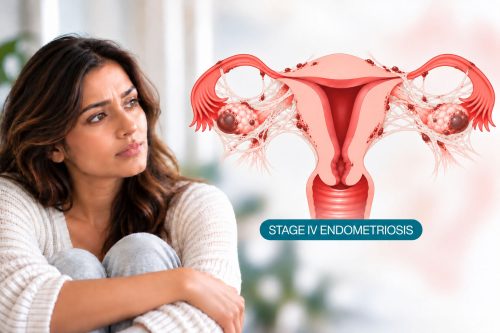
Nearly a decade later, she was diagnosed with endometriosis. Surgery initially provided relief for about two years, but her symptoms eventually returned. She later sought care at NYGSE, where she learned that she had stage 4 endometriosis and underwent further surgery that provided significant symptom relief.
Endometriosis Affects Millions of Women
Endometriosis affects millions of women across the United States. During the WBRZ report, viewers were reminded of the scale of the disease: more than 6.5 million U.S. women are estimated to have endometriosis, according to the U.S. Department of Health and Human Services Office on Women’s Health. Despite how common endometriosis is, many patients still face challenges in receiving a timely diagnosis.
Screenshot from WBRZ’s Monday’s Health Report featuring the estimate that more than 6.5 million U.S. women have endometriosis.
Why Endometriosis Can Take Time to Diagnose
Endometriosis can cause symptoms such as painful periods, chronic pelvic pain, pain during sex, and bowel or urinary symptoms. However, symptoms can vary considerably between patients and may overlap with other conditions.
Dr. Singhal highlighted the length of the diagnostic journey some patients experience:
“On average, it takes about anywhere from seven to eleven years before a patient gets proper diagnosis and or treatment.”
A long diagnostic journey does not necessarily mean that every patient will wait years for answers. But it illustrates why persistent symptoms and their effect on everyday life should not simply be ignored.
Listening to What Your Body Is Telling You
One of the most powerful parts of Patriarco’s story is that she continued seeking answers even after previous evaluations had failed to explain her symptoms.
Endometriosis cannot be diagnosed from symptoms alone, and pelvic pain can have many possible causes. Still, patients can help their physicians by describing the complete pattern of what they are experiencing, including when symptoms occur, whether they change around menstruation, and how much they interfere with everyday activities.
Keeping a symptom diary can also make recurring patterns easier to recognize and discuss during an appointment.
Dr. Singhal's Message: Advocate for Yourself
At the end of the WBRZ report, Dr. Singhal offered a direct message to people struggling to find answers:
“Be your best advocate. Don’t take no for an answer. If someone is not listening, they’re not the right physician for you.”
Patient self-advocacy does not mean deciding on a diagnosis before being evaluated. It means communicating symptoms clearly, asking questions, and seeking appropriate evaluation when persistent symptoms remain unexplained.
For Patriarco, continuing to seek answers eventually helped confirm what she felt all along: something was wrong and her symptoms deserved attention.
When Endometriosis Symptoms Deserve Further Evaluation
Severe or persistent period pain, chronic pelvic pain, pain during sex, cyclical bowel or urinary symptoms, infertility, or symptoms that repeatedly interfere with everyday life may warrant further evaluation.
At New York Gynecology Surgery & Endometriosis (NYGSE), Dr. Pankaj Singhal and the NYGSE team evaluate the complete pattern of a patient’s symptoms, medical history, previous treatments, and imaging to determine whether endometriosis may be contributing and what next steps may be appropriate.