
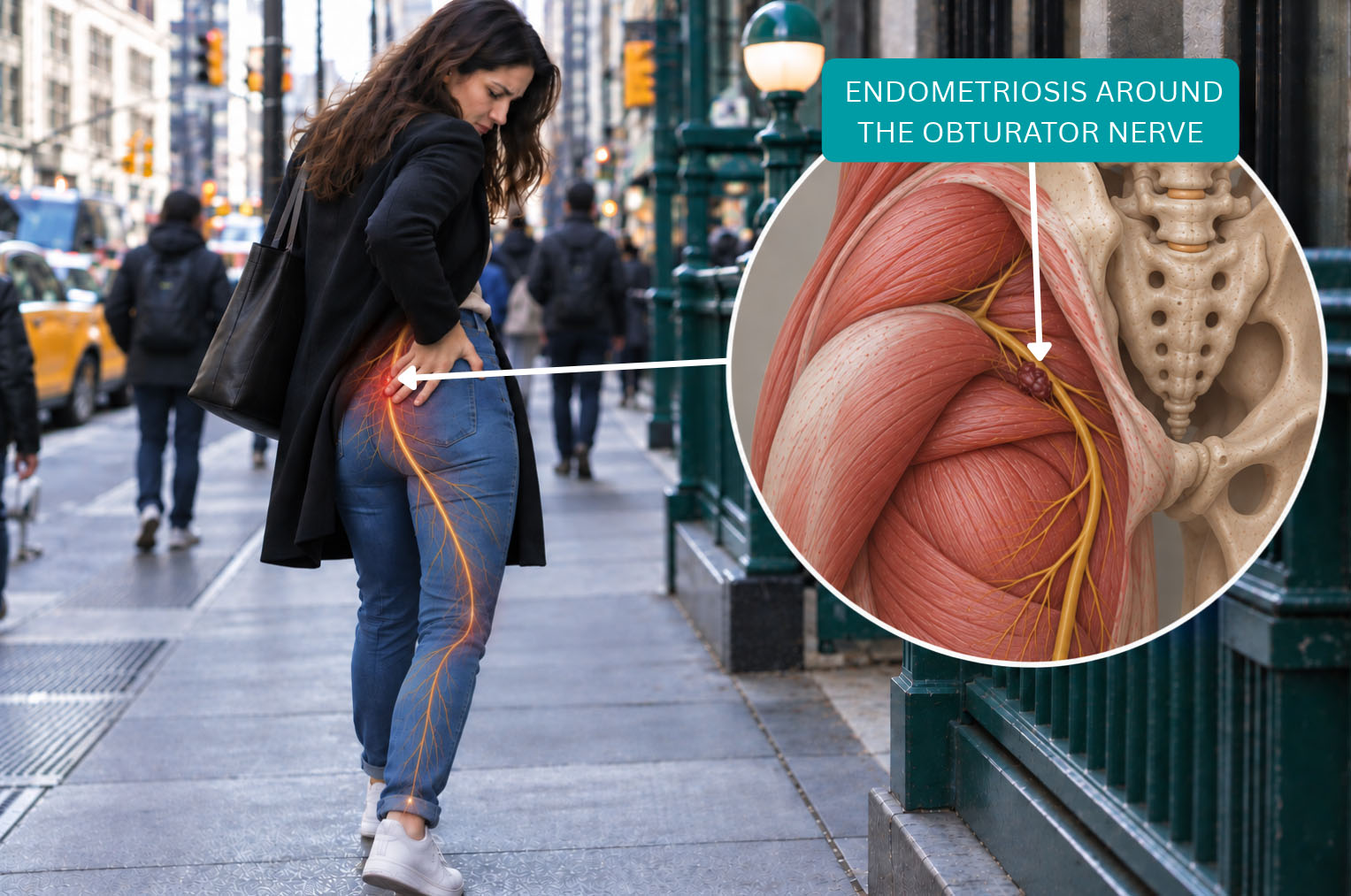
Inner Thigh Pain During Your Period: Could It Be Endometriosis?
Inner thigh pain that repeatedly worsens during menstruation may sometimes be associated with endometriosis. Learn how the obturator nerve can rarely be involved.
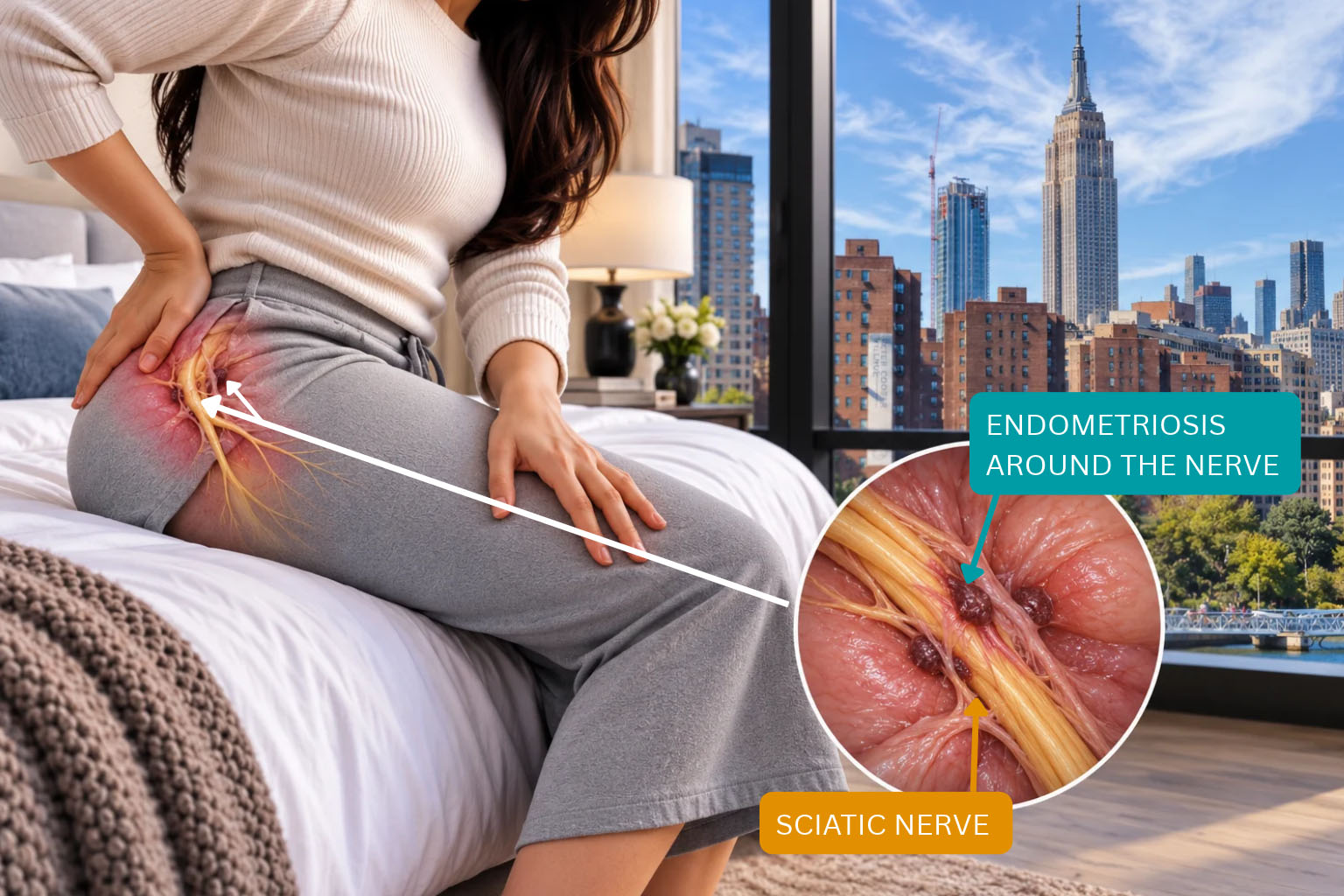
Why Does My Leg Hurt More During My Period? Endometriosis and Leg Pain
Leg pain that repeatedly appears or becomes worse during your period may sometimes be associated with endometriosis. Learn how cyclical sciatica and pelvic nerve involvement can affect the leg.
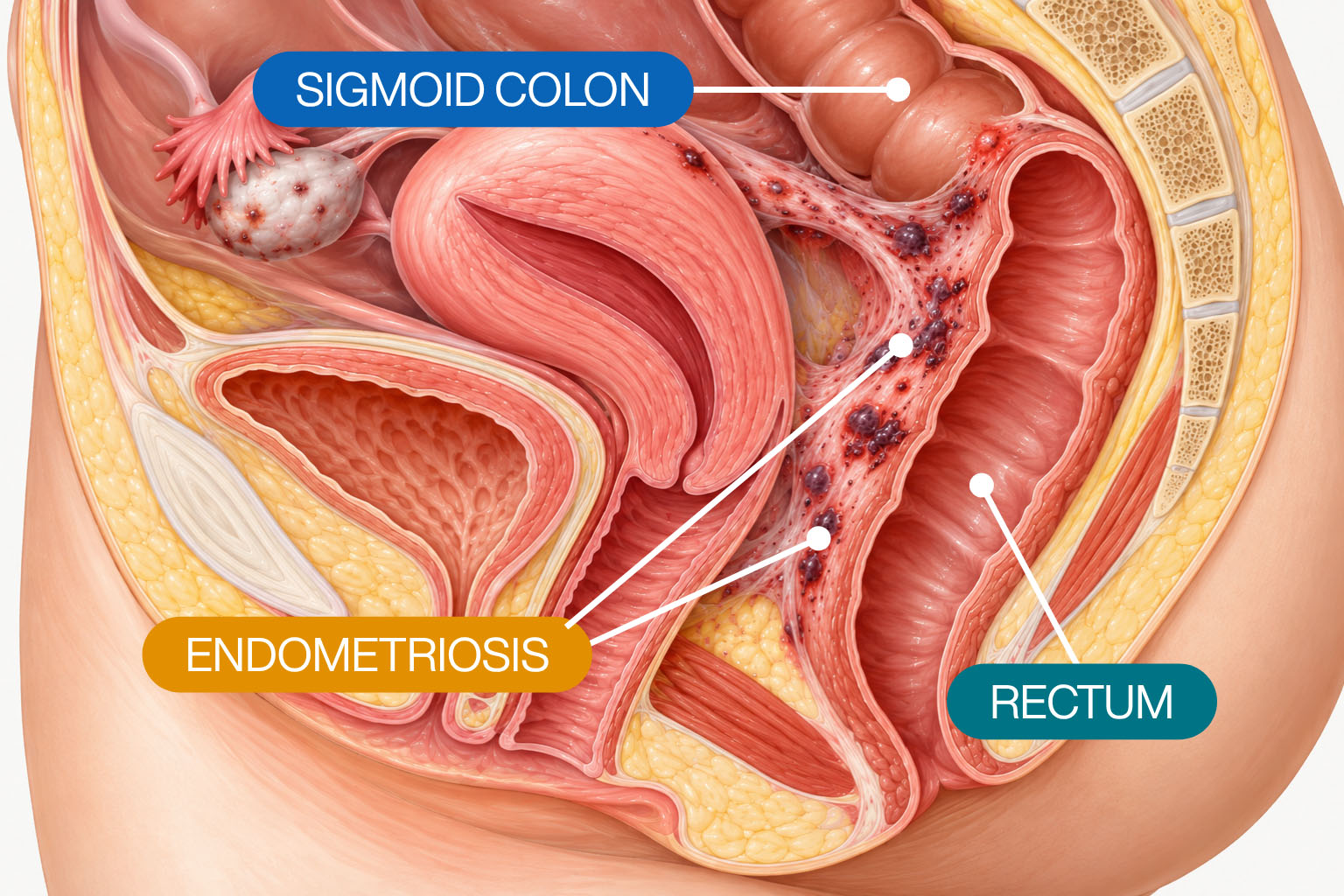
Sharp Rectal Pain During Your Period and Endometriosis
Sharp or stabbing rectal pain that repeatedly occurs during your period may sometimes be associated with endometriosis. Learn what this symptom can mean and when it deserves further evaluation.
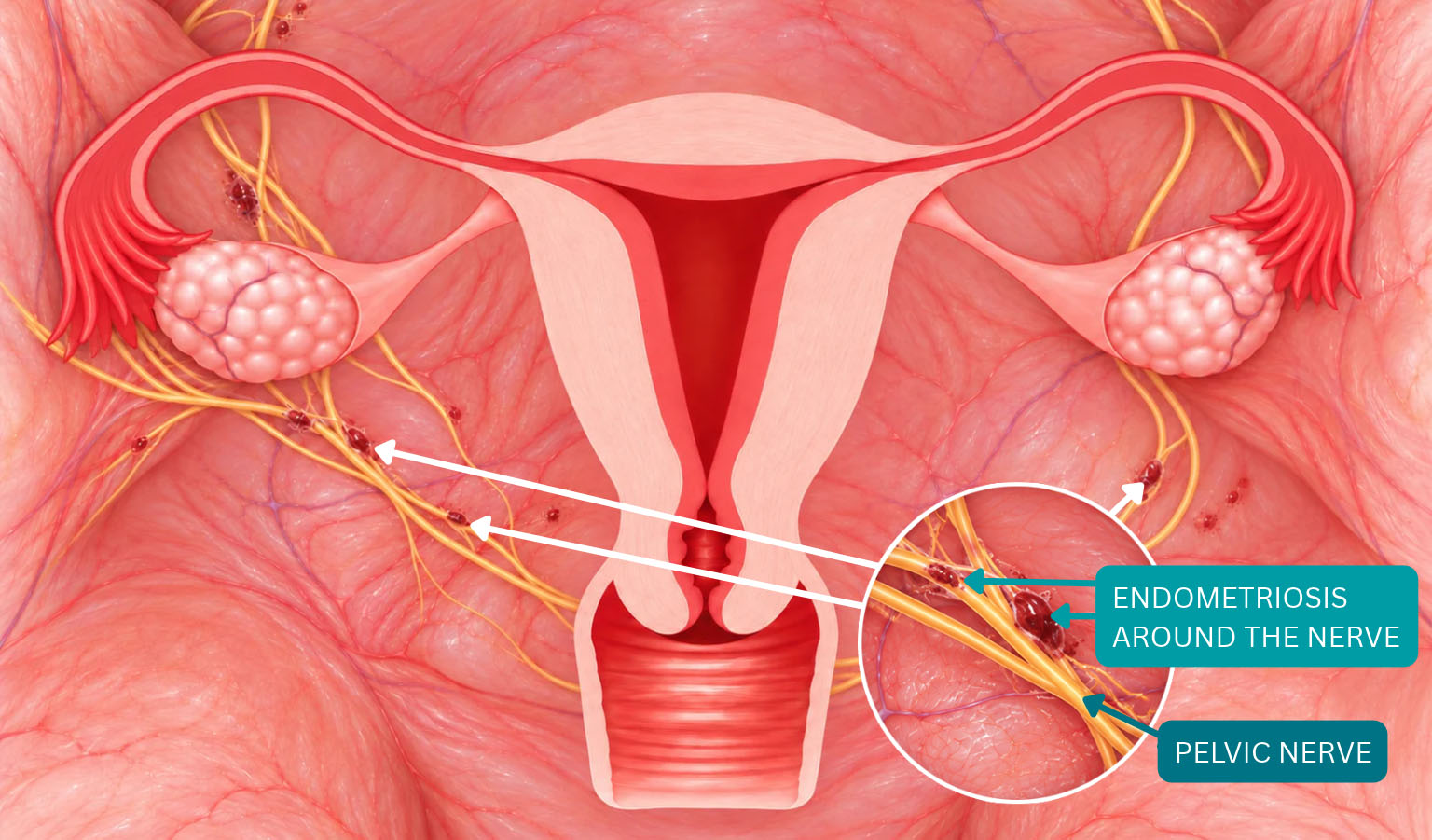
Endometriosis and Nerve Pain: Can Endometriosis Affect Pelvic Nerves?
Endometriosis can sometimes affect nerves in and around the pelvis, contributing to shooting, burning, or radiating pain. Learn about pelvic nerve involvement, sciatica, neurological symptoms, and evaluation.
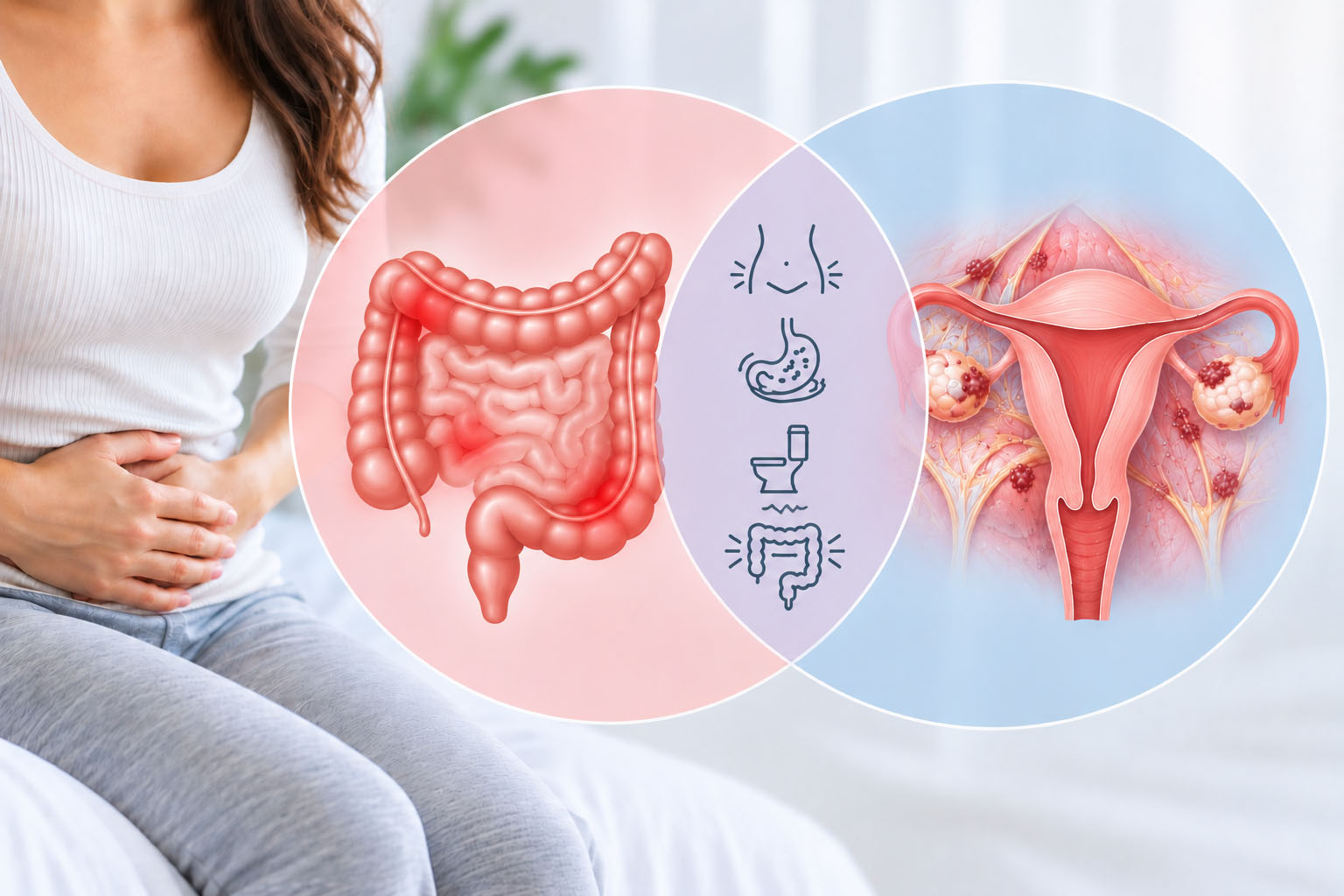
IBS and Endometriosis: Understanding the Overlap in Symptoms
IBS and endometriosis can both cause bloating, abdominal pain, constipation, diarrhea, and bowel discomfort. Learn why their symptoms overlap and why some patients may have both conditions.

Endometriosis Symptoms: How Common Are They?
Endometriosis symptoms vary widely. Learn how commonly painful periods, chronic pelvic pain, painful sex, infertility, bowel symptoms, and urinary symptoms are reported.

Why Does Endometriosis Take So Long to Diagnose?
Endometriosis can take years to diagnose. Learn why symptoms are often overlooked or mistaken for other conditions, and how the approach to diagnosis is changing.
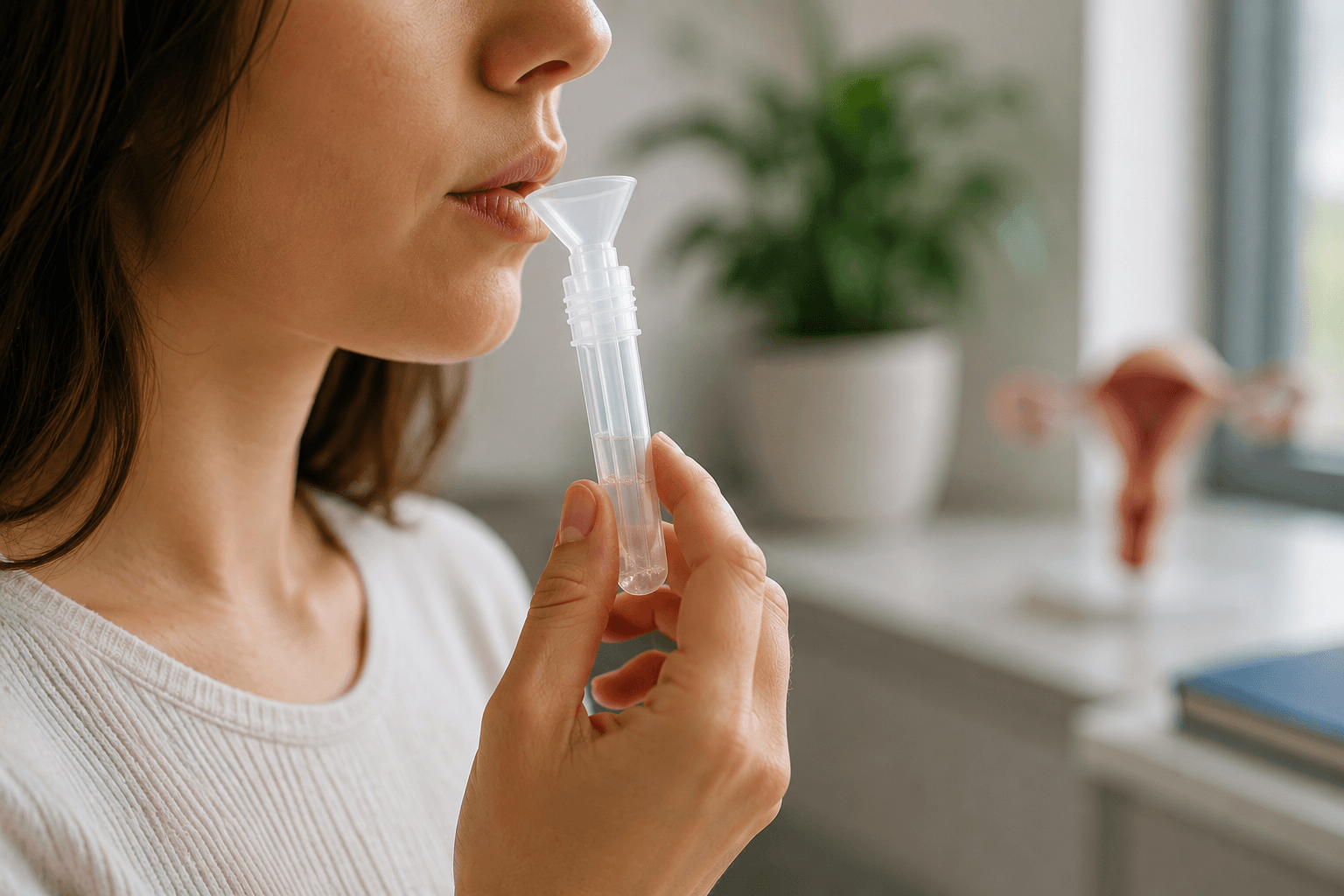
The Saliva Test for Endometriosis: What Patients Need to Know
A saliva test for endometriosis offers promise as a non-invasive diagnostic tool. Learn how it works, how accurate it is, and why laparoscopic surgery remains the gold standard for diagnosis.

7 Signs You May Have Endometriosis
Many individuals who menstruate may experience occasional heavy periods, excruciating menstrual cramps, and discomfort during sexual intercourse. However, for up to 10% of females of childbearing age, these symptoms may indicate a more significant issue: endometriosis.
Endometriosis is a medical condition characterized by the displacement of endometrial tissue, which consists of cells resembling the lining of the uterus, outside the uterus, where it adheres to other pelvic organs. These organs can include the fallopian tubes, bladder, or bowels. Each month, during the menstrual cycle, this tissue becomes inflamed and swells, leading to intense pain and, in some cases, infertility.
1. Chronic Pelvic Pain
Endometriosis can result in painful and excessively heavy menstrual periods, but the discomfort doesn’t necessarily cease when your menstruation concludes. Due to the inflammation triggered by endometriosis implants in the pelvic area, pelvic pain can persist as a chronic issue for women affected by this condition.
You might encounter lower abdominal or lower back pain at any point in your monthly cycle. Additionally, endometriosis can lead to discomfort during or after sexual intercourse, as well as pain when urinating or having bowel movements.
2. Heavy Menstrual Periods
Every woman’s menstrual cycle is distinct and personal. What’s considered typical for one woman may not align with the experiences of another. These variations can create uncertainty when trying to discern whether your symptoms may signify a more significant underlying issue.
Experiencing heavy menstrual bleeding is a common concern, yet it shouldn’t be regarded as normal. Heavy bleeding could potentially indicate the presence of endometriosis or another treatable gynecological condition.
You might be dealing with unusually heavy menstrual bleeding if you:
- Witness bleeding persisting for over seven days
- Find yourself changing pads or tampons every hour or even more frequently
- Need to replace pads or tampons during the night
- Pass blood clots that are larger than a quarter
- Experience nausea or vomiting
If these symptoms resonate with your experience, it’s crucial not to delay in scheduling a doctor’s appointment. Heavy menstrual periods are not typical, and seeking medical treatment can have a significant impact on your quality of life.
3. Chronic Lower Back and Abdominal Pain
Persistent lower back and abdominal pain is a symptom commonly associated with endometriosis. This discomfort often occurs throughout the menstrual cycle and may be particularly pronounced during menstruation. The presence of endometrial tissue outside the uterus, leading to inflammation and irritation of surrounding tissues, is thought to be a contributing factor to this chronic pain.
4. Infertility
Endometriosis is a significant factor in female infertility, and it’s essential for young individuals to be aware of this. Many girls discover they have endometriosis when they seek assistance for fertility concerns. Remarkably, up to 50% of women who experience infertility are eventually diagnosed with endometriosis.
Even if you haven’t noticed other typical endometriosis symptoms, it’s crucial to understand that it can still lead to infertility. Endometriosis patches can develop on the ovaries or fallopian tubes, potentially disrupting the processes of ovulation, fertilization, and implantation.
If any of these signs or experiences seem familiar to you, it’s essential to consider the possibility that endometriosis might be a contributing factor. This is a relatively common condition, and there are available treatment options to help improve your symptoms.
5. Painful Bowel Movements or Urination
Experiencing discomfort or pain during bowel movements or urination can be indicative of endometriosis symptoms. In cases of endometriosis, the endometrial tissue that grows outside the uterus, including on or around the pelvic organs, can cause irritation and inflammation. This can lead to pain or discomfort when passing stool or urinating.
6. Irregular Menstrual Cycles
Irregular menstrual cycles can sometimes provide subtle but important hints that something might be amiss, especially for teenagers. While it’s normal for menstrual cycles to vary a bit occasionally, having persistent irregularities could be a signal of an underlying issue. Endometriosis is one such concern—a condition where tissue that resembles the lining of the uterus grows outside the uterus. This can disrupt the typical hormonal and physiological processes of your menstrual cycle, leading to unpredictable or inconsistent patterns.
You might notice unusual cycle lengths or even spotting between your periods. These irregularities might raise suspicion that endometriosis is a possible cause of your menstrual health challenges.
7. Painful Intercourse
Feeling pain during or after sexual intercourse is a common symptom that’s often linked to endometriosis. In endometriosis, tissue that’s similar to the lining of the uterus grows in places it shouldn’t, like around the reproductive organs. When this tissue gets irritated or inflamed, it can cause discomfort or sharp pain when engaging in sexual activities. This can be really distressing and put a strain on the quality of intimate relationships for teens dealing with endometriosis.

Endometriosis Blood in Stool
Rectal endometriosis is a form of endometriosis in which endometrial tissue grows and forms lesions in or on the rectum, often leading to symptoms such as rectal pain, bleeding during bowel movements, and changes in bowel habits. Diagnosis and management of rectal endometriosis typically require a combination of medical evaluation, imaging studies, and, in some cases, surgical intervention to alleviate symptoms and improve the patient’s quality of life.
Is blood in the stool an Endometriosis symptom?
Blood in the stool, while less common, can be a symptom of endometriosis when this condition affects the gastrointestinal tract. Endometriosis can lead to the development of endometrial tissue implants or lesions on or within the rectum and colon, potentially causing rectal bleeding. This bleeding is often more pronounced during menstruation when the endometrial tissue becomes more active. Additionally, endometriosis-related inflammation and scarring in the bowel can result in gastrointestinal symptoms such as abdominal pain, bloating, changes in bowel habits, and discomfort during bowel movements. It’s crucial to note that blood in the stool and gastrointestinal symptoms can also be indicative of other medical conditions, so seeking prompt medical evaluation and diagnosis is essential to determine the underlying cause and appropriate treatment.
If you experience blood in your stool, persistent gastrointestinal symptoms, or any concerning changes in bowel habits, it’s essential to consult a healthcare provider for a comprehensive assessment. They can perform the necessary tests and examinations to identify the cause of your symptoms and provide you with appropriate treatment and management options tailored to your specific condition.
Common Endometriosis Treatment
In cases of endometriosis where there is involvement of the gastrointestinal tract leading to symptoms such as blood in the stool, the treatment approach may involve addressing both the endometriosis and the gastrointestinal symptoms.
Laparoscopic treatment can be used to manage endometriosis by removing endometrial tissue implants and lesions. If there is evidence of endometrial tissue affecting the rectum or colon, the surgeon may carefully excise or ablate these lesions during the laparoscopic procedure.
In addition to the surgical intervention, addressing the gastrointestinal symptoms, including blood in the stool, may require a comprehensive approach. This could involve medications to manage gastrointestinal discomfort, dietary modifications, and lifestyle changes. In some cases, additional consultations with a gastroenterologist may be necessary to evaluate and manage the gastrointestinal component of the condition. It’s important that both the endometriosis and gastrointestinal symptoms are considered and treated appropriately to provide the patient with comprehensive care and symptom relief.
Frequently Asked Question (FAQs)
Is there a cure for endometriosis?
Currently, there is no cure for endometriosis, but there are various treatment options available to manage symptoms. These treatments may include medications, hormonal therapies, lifestyle changes, and surgery. The choice of treatment depends on the individual’s specific circumstances and goals.
What lifestyle changes can help manage endometriosis?
Lifestyle changes that may help manage endometriosis include maintaining a balanced diet, regular exercise, stress reduction techniques, and getting adequate sleep. Additionally, some individuals find relief from symptom exacerbation by avoiding certain foods or triggers that worsen their symptoms. It’s essential to discuss lifestyle modifications with a healthcare provider as part of a comprehensive treatment plan.
