


Dolly Parton spent decades building one of the most recognizable careers in American entertainment. Less familiar to many people is the history of serious gynecologic problems she experienced during her career, including severe symptoms, infertility, and surgery.
Her experience has also become part of the public conversation surrounding endometriosis. While no one can retrospectively determine exactly how modern treatment might have changed her medical journey, her story provides an opportunity to examine how endometriosis care, fertility treatment, and minimally invasive surgery have evolved over the past several decades.

Did Dolly Parton Have Endometriosis?
Dolly Parton’s history of endometriosis and serious gynecologic problems has been widely reported in accounts of her health.
In 1982, Parton experienced a serious episode involving abdominal pain and bleeding that required gynecologic surgery and forced her to cancel tour dates.
These struggles were largely separate from the public image surrounding her music and career. Her experience highlights an important reality for many patients: the severity of a gynecologic condition may not be apparent from the outside.
Endometriosis Is More Than Menstrual Pain
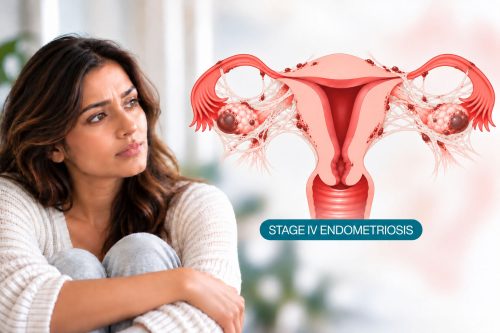
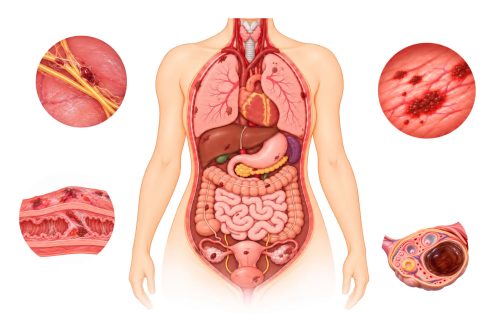
Endometriosis is a chronic condition in which tissue similar to the lining of the uterus grows outside the uterus. It can affect the ovaries, fallopian tubes, pelvic lining, bowel, bladder, and other structures.
Symptoms can include:
- Severe menstrual or pelvic pain
- Heavy or abnormal bleeding
- Pain during intercourse
- Pain with bowel movements or urination
- Hinchazón abdominal
- Fatiga
- Infertilidad
The severity and combination of symptoms can vary considerably. Some patients have extensive disease with relatively limited symptoms, while others experience pain that significantly disrupts daily life.
Dolly Parton, Endometriosis, and Infertility
Parton spoke publicly about her inability to have biological children. In a 1987 interview with Today, she explained that she physically could not have children, while also reflecting on how she eventually came to accept that part of her life.
Parton also underwent a partial hysterectomy in her 30s after years of gynecologic health problems. However, publicly available information does not establish a single medical explanation for why she was unable to have children.
Can Endometriosis Cause Infertility?
Yes. Endometriosis can make conception more difficult for some patients.
Depending on the location and extent of the disease, endometriosis may affect fertility through:
- Pelvic inflammation
- Scar tissue and adhesions
- Endometriomas ováricos
- Fallopian tube dysfunction
- Changes to normal pelvic anatomy
However, infertility has many possible causes. A comprehensive fertility evaluation is important before determining why an individual is having difficulty becoming pregnant.
For patients with endometriosis who hope to have children, future fertility should be considered when developing a treatment plan.
Why Did Dolly Parton Have a Partial Hysterectomy?
In 1984, at age 38, Dolly Parton underwent a partial hysterectomy after years of gynecologic health problems.
Her treatment took place more than four decades ago. At that time, many of the diagnostic, surgical, and reproductive technologies available to patients today were either less advanced or far less accessible.
This raises an important medical question: How might modern endometriosis care have changed her experience?
It is impossible to know what treatment Parton would have received today, but patients now have considerably more options for diagnosis, fertility planning, and surgical management.
Is Hysterectomy Necessary for Endometriosis?
No necesariamente.
A hysterectomy removes the uterus. Endometriosis, however, involves endometriosis-like tissue located outside the uterus. Removing the uterus alone therefore does not necessarily remove endometriosis elsewhere in the pelvis.
For appropriately selected patients, endometriosis excision surgery aims to identify and remove visible areas of disease while preserving healthy organs whenever possible.
Hysterectomy may still be appropriate for certain patients, particularly when other uterine conditions contribute to symptoms or when fertility preservation is no longer desired.
The appropriate treatment depends on the individual patient, the extent of disease, other gynecologic conditions, symptoms, and reproductive goals.
How Might Modern Endometriosis Care Have Changed Her Experience?
Endometriosis care has evolved considerably since the early 1980s. Patients today may benefit from greater disease awareness, improved imaging, minimally invasive surgical techniques, and more advanced fertility treatment.
Earlier Recognition and Better Imaging
Severe or persistent menstrual pain should not automatically be considered a normal part of menstruation.
Pelvic pain, painful intercourse, bowel or urinary symptoms, abnormal bleeding, and infertility can all warrant further investigation.
Ultrasound and MRI can help identify certain forms of endometriosis and assist with surgical planning. However, normal imaging does not necessarily rule out endometriosis, because some forms of the disease can be difficult to detect on imaging.
Advanced Endometriosis Excision Surgery
Modern minimally invasive techniques allow experienced surgeons to evaluate and treat endometriosis through laparoscopic or robotic approaches in appropriately selected patients.
Complex endometriosis can involve the ovaries, bowel, bladder, ureters, and other pelvic structures. In these situations, surgical experience and careful evaluation of the entire pelvis can become particularly important.
Fertility Preservation and IVF
Reproductive medicine has also changed dramatically.
Depending on a patient’s age, disease, ovarian reserve, and reproductive goals, options may include:
- Egg freezing
- Embryo freezing
- In vitro fertilization (IVF)
- Other assisted reproductive technologies
These advances allow fertility considerations to become an important part of endometriosis treatment planning.
Endometriosis Can Affect More Than Physical Health
Endometriosis is not simply a condition involving menstrual pain.
Chronic symptoms and infertility can affect emotional well-being, intimate relationships, sexual health, work, family planning, and overall quality of life.
Parton has publicly discussed the emotional difficulties she experienced during this period of her life. Her experience is a reminder that serious reproductive health problems can have consequences that extend beyond physical symptoms.
For patients today, comprehensive care should consider not only the disease itself but also how symptoms are affecting everyday life and future goals.
Dolly Parton’s Legacy Beyond Infertility
Although Parton did not have biological children, children became an important part of her personal and philanthropic life. In a 1984 conversation with Interview magazine, she reflected on her inability to have children, saying, “I realize that I am everybody’s mother.”
In 1995, she launched Dolly Parton’s Imagination Library, which provides books to young children. What began as a program in her home county in Tennessee eventually expanded internationally and has distributed hundreds of millions of books.
Parton has also spoken about the important role she has played in the lives of children within her extended family.
Her experience illustrates that infertility does not have to define the entirety of a person’s life. The ability to influence and nurture future generations can take many different forms.
What Dolly Parton’s Endometriosis Story Can Teach Patients Today
Dolly Parton’s gynecologic health history represents only one part of a much larger life and career. But discussing her experience can help bring attention to a disease that remains difficult for many patients to recognize.
Persistent pelvic pain deserves investigation. Infertility deserves a comprehensive evaluation. And patients considering surgery should understand how different treatment options may affect their symptoms, fertility, and long-term quality of life.
When Should You See an Endometriosis Specialist?
Consider seeking an evaluation if you experience symptoms such as:
- Debilitating menstrual pain
- Dolor pélvico crónico
- Pain during intercourse
- Painful bowel movements or urination around menstruation
- Persistent abdominal bloating
- Heavy or irregular bleeding
- Dificultad para quedar embarazada
- Persistent symptoms despite previous treatment
Seeing an especialista en endometriosis does not automatically mean undergoing surgery. The first step is understanding the possible causes of your symptoms and determining which evaluation and treatment options are appropriate for you.
When Endometriosis Symptoms Need Further Evaluation
En New York Gynecology Surgery & Endometriosis (NYGSE), we evaluate patients with suspected and confirmed endometriosis, including complex cases involving chronic pelvic pain, infertility, previous surgery, recurrent symptoms, and disease affecting multiple pelvic organs.
Our approach considers the full extent of each patient’s symptoms, medical history, and reproductive goals rather than viewing endometriosis as simply a painful period.
If you are experiencing unexplained pelvic pain, infertility, or persistent symptoms that have not been adequately addressed, an endometriosis evaluation may help determine the appropriate next step.
Referencias
American College of Obstetricians and Gynecologists. (n.d.). Endometriosis. https://www.acog.org/womens-health/faqs/endometriosis
Dolly Parton’s Imagination Library. (n.d.). About Dolly Parton’s Imagination Library. https://imaginationlibrary.com/about-us/
InStyle. (2026). Why Dolly Parton never had children with husband Carl Dean. https://www.instyle.com/dolly-parton-never-had-children-husband-carl-dean-12068348
Griffin, C. (2026, September 1). What Dolly Parton, 80, said about her health, endometriosis and why she couldn’t have children. Woman’s World. https://www.womansworld.com/wellness/what-dolly-parton-said-about-her-health-and-endometriosis
National Institute for Health and Care Excellence. (2024). Endometriosis: Diagnosis and management (NICE Guideline NG73). https://www.nice.org.uk/guidance/ng73
National Institute for Health and Care Excellence. (2024). Recommendations: Endometriosis—Diagnosis and management. https://www.nice.org.uk/guidance/ng73/chapter/Recommendations
The Dollywood Foundation. (n.d.). The Dollywood Foundation. https://imaginationlibrary.com/the-dollywood-foundation/