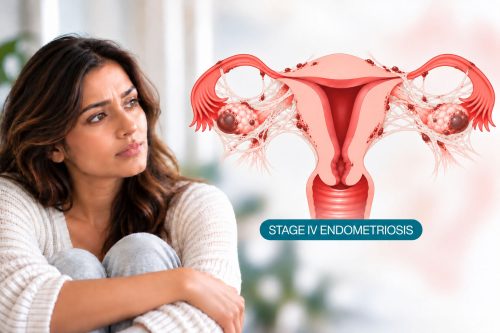


Endometriosis can be a complex disease to diagnose and treat, particularly when symptoms involve more than one area of a patient’s life.
For Dr. Pankaj Singhal, a gynecologic oncologist and endometriosis surgeon at New York Gynecology Surgery & Endometriosis (NYGSE), that complexity is one reason treatment cannot always be centered on a single symptom, test, or procedure.
His approach considers the complete clinical picture: where endometriosis may be located, which organs or structures may be involved, the severity and pattern of symptoms, previous treatments, and the patient’s priorities.
Those factors can help guide whether care involves medical management, supportive therapies, surgery, or a combination of approaches.
From Gynecologic Oncology to Complex Endometriosis Surgery
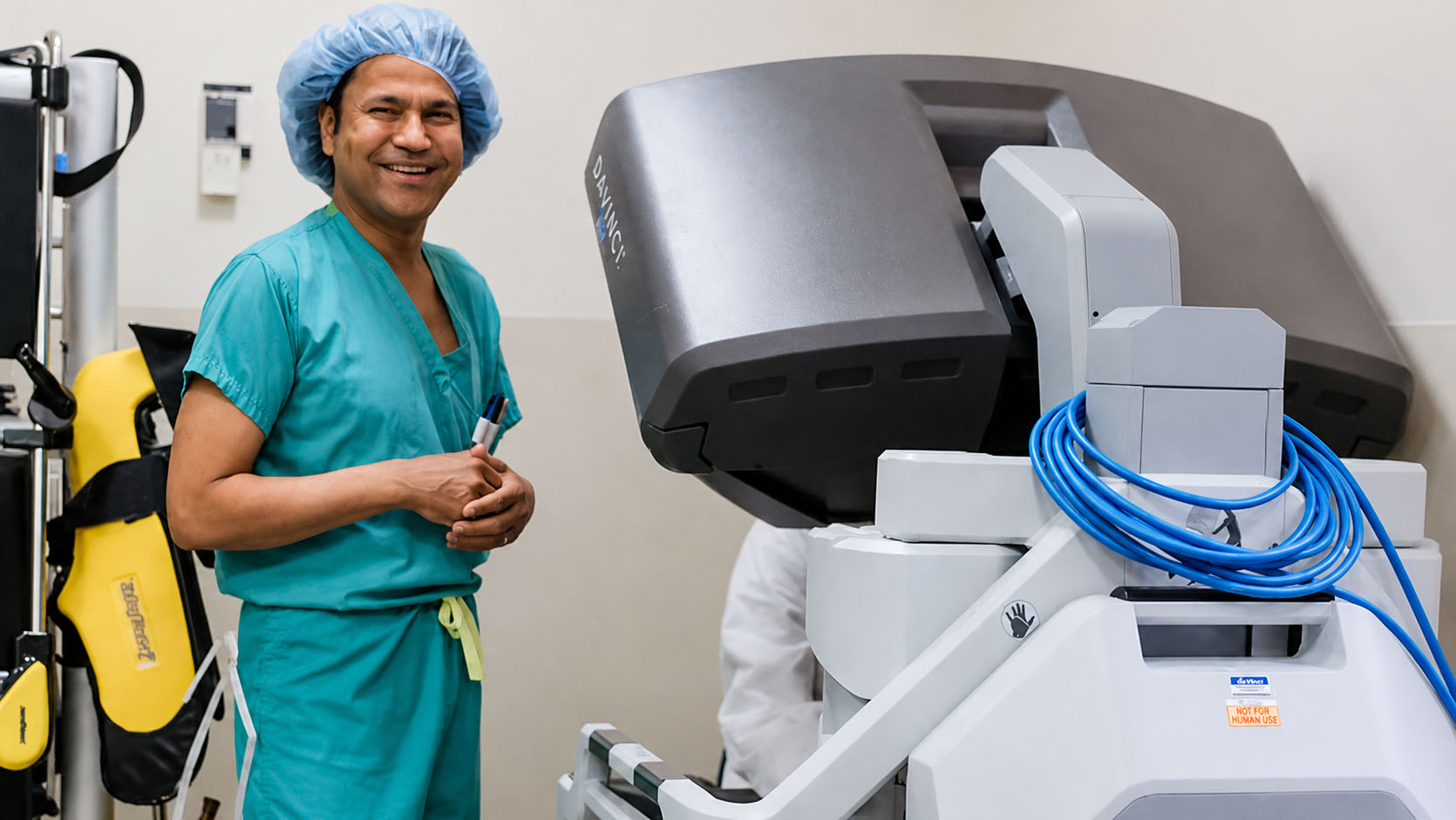
Dr. Singhal’s background in gynecologic oncology provides extensive experience operating within complex pelvic anatomy.
He completed fellowship training in gynecologic oncology at Roswell Park Cancer Institute and is board-certified in obstetrics and gynecology and gynecologic oncology. His surgical practice includes advanced minimally invasive and robotic procedures for complex gynecologic conditions, including endometriosis.
Dr. Singhal has performed more than 10,000 robotic and laparoscopic procedures and has trained more than 45 gynecologic surgeons and fellows in minimally invasive and oncologic surgery.
Together, Dr. Singhal and Dr. Beth McLean perform nearly 1,000 surgeries each year, according to Wofford Today. Most are robotic procedures, including the treatment of complex endometriosis cases.
But even advanced surgery may represent only one part of endometriosis care.
Why Endometriosis Can Require More Than Surgery
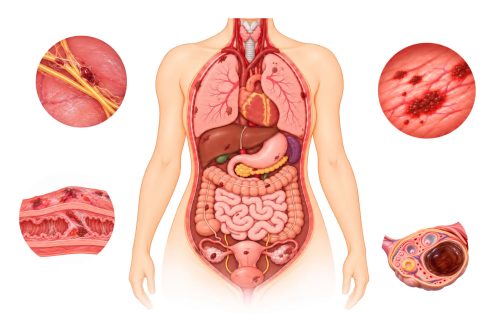
Endometriosis can affect more than the reproductive organs.
Patients may experience pelvic pain, painful periods, pain during sex, bowel or urinary symptoms, fatigue, and difficulty becoming pregnant. The combination and severity of these symptoms can vary considerably from one patient to another.
This complexity can make care fragmented, particularly when different symptoms are evaluated separately or treated by different specialists.
For Dr. Singhal, this is one reason endometriosis care should be coordinated rather than focused on a single symptom or procedure.
Depending on the individual patient, treatment may involve diagnostic evaluation, medical management, pain management, pelvic floor physical therapy, psychological support, surgery, or a combination of approaches.
Why Endometriosis Can Be Difficult to Diagnose
Endometriosis can be difficult to diagnose because it does not look or feel the same in every patient. Some experience severe menstrual pain, while others have chronic pelvic pain, pain during sex, painful bowel movements or urination, infertility, or a combination of symptoms that may develop gradually over time.
Imaging is an important part of the evaluation, but it has limitations. Ultrasound and MRI can identify ovarian endometriomas and certain forms of deep endometriosis, particularly when imaging is performed and interpreted with endometriosis in mind. Other forms of the disease, including superficial lesions, may be difficult to visualize. This means a normal ultrasound or MRI does not necessarily rule out endometriosis.
These diagnostic challenges are part of a larger issue Dr. Singhal sees in endometriosis care: patients may move between physicians and specialists as individual symptoms are investigated, sometimes without the different pieces being considered together.
“Endometriosis doesn’t always show on an ultrasound or MRI, so it can be hard to diagnose. When it is diagnosed, care is fragmented”, says Dr. Singhal. “Complete care requires follow-up because it can come back. Endometriosis requires a systematic, comprehensive approach, so we’re putting everything together under one umbrella.”
Treating Complex Endometriosis
Complex endometriosis may involve structures beyond the uterus and ovaries, including the bowel, bladder, ureters, and other areas of the pelvis.
Disease, scarring, and adhesions can also alter normal pelvic anatomy, making surgical planning particularly important.
Treatment therefore needs to be individualized. The appropriate approach depends on where disease is suspected or identified, which structures are involved, the patient’s symptoms and fertility goals, previous treatment, and the potential benefits and risks of surgery.
The goal is not simply to find endometriosis. It is to understand the extent and impact of the disease and determine which treatment strategy is appropriate for the individual patient.
What Patients Want Most: Their Lives Back
For Dr. Singhal, the impact of treatment ultimately extends beyond what happens in the operating room.
He describes one response from patients as particularly meaningful:
“The most common statement we get after treatment is ‘I got my life back.’”
For someone living with persistent pelvic pain or other endometriosis-related symptoms, improvement can mean returning to work without planning around pain, exercising again, sleeping better, restoring intimacy, or participating more fully in everyday life.
Not every patient will require the same treatment or experience the same outcome. But improving function and quality of life remains an important part of endometriosis care.
A Comprehensive Approach to Endometriosis Care
Endometriosis is not always a condition that can be addressed through one test, one appointment, or one procedure.
At New York Gynecology Surgery & Endometriosis (NYGSE), Dr. Singhal’s approach combines advanced gynecologic surgery with a broader evaluation of each patient’s symptoms, disease pattern, and treatment goals.
For patients with persistent pelvic pain or suspected complex endometriosis, a comprehensive evaluation can help determine whether endometriosis may be contributing and whether medical treatment, supportive therapies, surgery, or a combination of approaches may be appropriate.
References
Becker, C. M., Bokor, A., Heikinheimo, O., Horne, A., Jansen, F., Kiesel, L., King, K., Kvaskoff, M., Nap, A., Petersen, K., Saridogan, E., Tomassetti, C., van Hanegem, N., Vulliemoz, N., & Vermeulen, N. (2022). ESHRE guideline: Endometriosis. Human Reproduction Open, 2022(2), hoac009. https://doi.org/10.1093/hropen/hoac009
National Institute for Health and Care Excellence. (2024). Endometriosis: Diagnosis and management (NICE Guideline NG73). https://www.nice.org.uk/guidance/ng73
Wofford College. (2026, March 27). At the epicenter of endometriosis care. https://www.wofford.edu/about/news/news-archives/2026/at-the-epicenter-of-endometriosis-care
World Health Organization. (2025, October 15). Endometriosis. https://www.who.int/news-room/fact-sheets/detail/endometriosis