


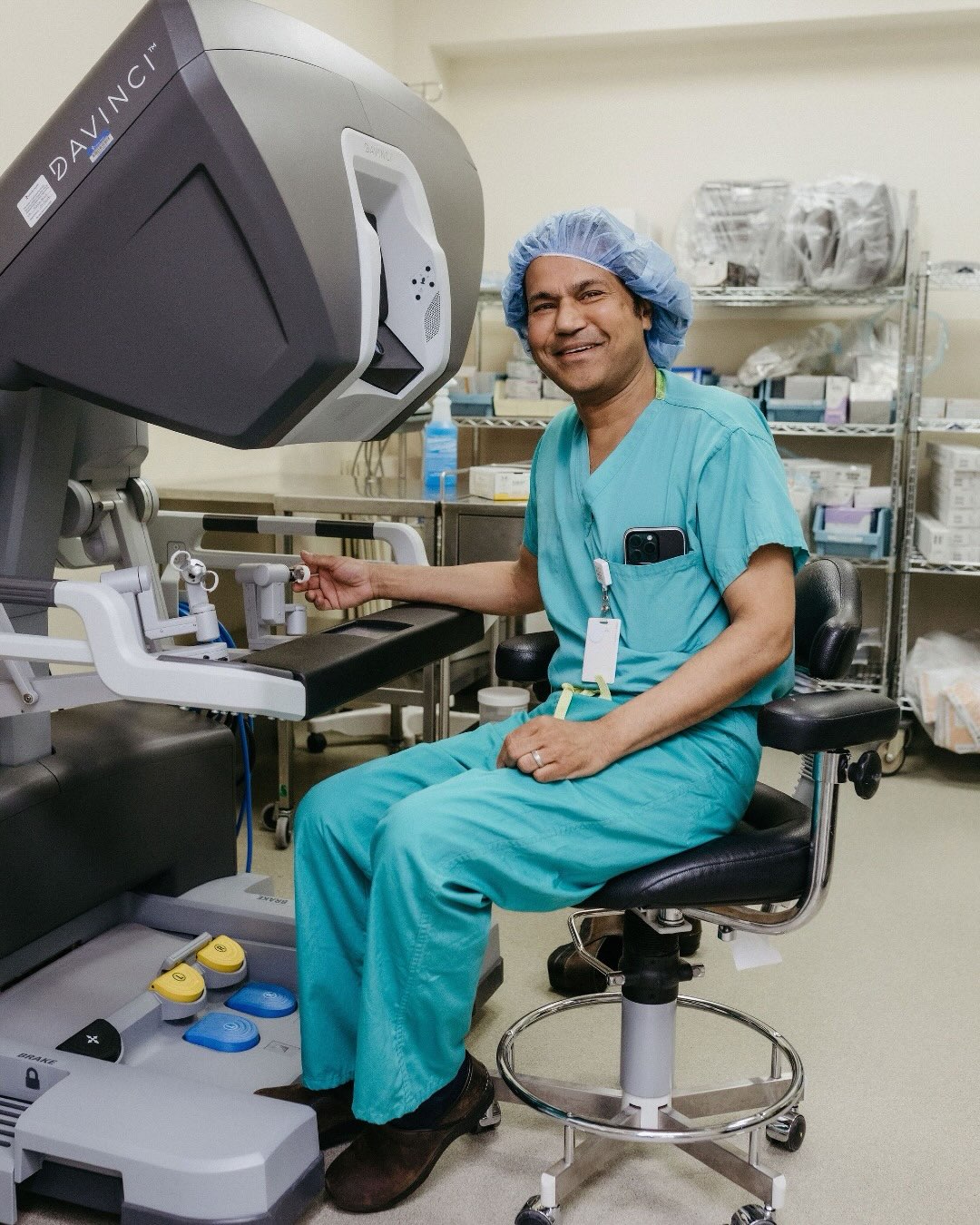
Finding the right doctor for endometriosis can be difficult, particularly when symptoms have persisted for years, imaging has been inconclusive, or previous treatments have not provided lasting relief.
Endometriosis is not the same in every patient. It can range from superficial disease to ovarian endometriomas and deep endometriosis involving structures such as the bowel, bladder, ureters, or other areas of the pelvis. Symptoms and treatment priorities can also differ considerably.
For patients searching for a top endometriosis specialist, the question should therefore go beyond reputation or surgical volume.
The more important question is: Does this physician have the experience and approach needed for your particular case?
Here are several factors patients may want to consider.
1. Experience With Different Types of Endometriosis
Endometriosis can appear in different locations and forms.
Some patients have disease primarily affecting the pelvic lining or ovaries. Others may have deep endometriosis involving structures such as the bowel, bladder, ureters, pelvic sidewalls, or areas behind the uterus.
These cases can require a detailed understanding of pelvic anatomy and careful planning before treatment.
Clinical guidelines from the European Society of Human Reproduction and Embryology (ESHRE) recommend that patients with deep endometriosis be referred to a center of expertise.
When choosing an endometriosis specialist, patients may therefore want to ask not simply whether a physician treats endometriosis, but how frequently the physician evaluates and treats complex forms of the disease.
At NYGSE, our physicians evaluate and treat endometriosis affecting a wide range of pelvic organs and structures. Patients can learn more about the endometriosis cases we treat.
2. A Specialist Who Looks Beyond a Single Test
Ultrasound and MRI are important tools in the evaluation of suspected endometriosis. They can identify ovarian endometriomas and certain forms of deep endometriosis.
But imaging does not identify every manifestation of the disease.
A normal ultrasound or MRI does not necessarily exclude endometriosis, particularly superficial disease.
For this reason, a comprehensive evaluation should consider more than one test. The patient’s symptoms, medical history, physical examination when appropriate, imaging findings, previous treatments, fertility goals, and the way symptoms affect daily life can all provide important information.
A specialist should be able to put these pieces together rather than relying on a single finding to explain or dismiss a patient’s symptoms.
3. Advanced Surgical Experience When Surgery Is Appropriate
Not every patient with endometriosis needs surgery.
Medical management, pain management, pelvic floor physical therapy, fertility care, and other supportive approaches may play important roles depending on the individual patient.
When surgery is appropriate, however, experience becomes particularly important in complex cases.
Endometriosis can cause inflammation, fibrosis, scarring, and adhesions that may alter normal pelvic anatomy. Deep disease can also occur close to structures such as the bowel, bladder, ureters, nerves, and major blood vessels.
A surgeon treating these cases needs more than familiarity with endometriosis. The surgeon must be comfortable operating within complex pelvic anatomy and adapting the surgical plan to what is found.
4. Experience With Complex Pelvic Anatomy
This is one area where Dr. Pankaj Singhal‘s background is particularly relevant.
Dr. Singhal is a gynecologic oncologist and endometriosis surgeon at New York Gynecology Surgery & Endometriosis (NYGSE). His training in gynecologic oncology involves extensive experience operating within complex pelvic anatomy.
He completed fellowship training in gynecologic oncology at Roswell Park Cancer Institute and is board-certified in obstetrics and gynecology and gynecologic oncology.
His surgical practice includes advanced minimally invasive and robotic procedures for complex gynecologic conditions, including endometriosis.
That background can be particularly relevant when endometriosis has distorted normal anatomy or involves multiple structures within the pelvis.
5. Surgical Volume and Experience
The number of procedures a surgeon has performed does not, by itself, determine whether that physician is the right specialist for a particular patient.
But surgical experience can provide useful context.
Dr. Singhal has performed more than 10,000 robotic and laparoscopic procedures during his career and has trained more than 45 gynecologic surgeons and fellows in minimally invasive and oncologic surgery.
He has also attained accreditation from the Surgical Review Corporation as a Master Surgeon in Robotic Surgery.
For patients considering surgery, credentials such as these can be considered alongside other important factors: experience with the particular type of endometriosis suspected, the proposed surgical approach, potential risks, fertility considerations, and the surgeon’s plan for follow-up.
6. A Specialist Who Knows When Surgery Is Not the Answer
Surgical expertise is important, but choosing an endometriosis specialist should not simply mean finding the surgeon most willing to operate.
Endometriosis treatment needs to be individualized.
For some patients, surgery may be an appropriate option for treating pain or addressing particular forms of disease. For others, medical treatment, fertility treatment, pelvic floor therapy, pain management, additional diagnostic evaluation, or a combination of approaches may be more appropriate.
The decision can depend on the location and extent of suspected disease, severity of symptoms, previous surgeries, response to medical treatment, ovarian reserve, fertility plans, age, and the patient’s own priorities.
A specialist’s role is not simply to recommend a procedure. It is to help determine which approach makes sense for the individual patient.
7. A Comprehensive Approach to Endometriosis
Endometriosis can affect much more than menstruation.
For some patients, the disease is associated with chronic pelvic pain, painful sex, bowel or urinary symptoms, infertility, fatigue, and limitations on work, exercise, relationships, and everyday activities.
These problems may not always be addressed by a single intervention.
Dr. Singhal has described this challenge as one of the reasons endometriosis care needs to be more coordinated:
“Complete care requires follow-up because it can come back. Endometriosis requires a systematic, comprehensive approach, so we’re putting everything together under one umbrella.”
Depending on the patient’s needs, comprehensive care may involve medical management, pain management, pelvic floor physical therapy, fertility care, surgery, psychological support, and continued follow-up.
The appropriate combination will be different for every patient.
8. A Specialist Who Understands Your Goals
Two patients with similar endometriosis may make very different treatment decisions.
One patient’s primary concern may be debilitating pain. Another may be trying to preserve fertility. Someone else may have already undergone multiple surgeries and want to understand whether another operation is appropriate.
That is why the patient’s goals should be part of treatment planning from the beginning.
A thoughtful endometriosis evaluation should consider not only where disease may be located, but also what the patient wants treatment to accomplish.
Questions about pain relief, fertility, organ preservation, recovery, recurrence, sexual function, and quality of life can all influence the treatment plan.
What Should You Ask an Endometriosis Specialist?
Before choosing a physician, patients may find it helpful to ask about the doctor’s experience with cases similar to their own.
Useful questions include how the physician evaluates suspected endometriosis when imaging is normal, how frequently they treat deep or complex disease, what factors determine whether surgery is recommended, what surgical approach may be used, how fertility considerations affect treatment, and what follow-up is available after treatment.
The answers can help patients understand not only a physician’s technical experience, but also how that physician approaches decision-making.
Finding the Right Endometriosis Specialist
There is no single credential that automatically identifies the top endometriosis specialist for every patient.
The right physician should have experience appropriate to the complexity of the case, understand the strengths and limitations of diagnostic testing, be able to discuss both surgical and nonsurgical options, and consider the patient’s individual goals when developing a treatment plan.
For patients with suspected complex endometriosis, experience with advanced pelvic surgery and multidisciplinary care may become particularly important.
En New York Gynecology Surgery & Endometriosis (NYGSE), Dr. Pankaj Singhal and the NYGSE team evaluate patients by considering the complete clinical picture, from symptoms and imaging to previous treatment, fertility priorities, and quality of life.
Referencias
Becker, C. M., Bokor, A., Heikinheimo, O., Horne, A., Jansen, F., Kiesel, L., King, K., Kvaskoff, M., Nap, A., Petersen, K., Saridogan, E., Tomassetti, C., van Hanegem, N., Vulliemoz, N., y Vermeulen, N. (2022). ESHRE guideline: Endometriosis. Human Reproduction Open, 2022(2), hoac009. https://doi.org/10.1093/hropen/hoac009
National Institute for Health and Care Excellence. (2024). Endometriosis: Diagnosis and management (NICE Guideline NG73). https://www.nice.org.uk/guidance/ng73
Surgical Review Corporation. (2019, May 30). Dr. Pankaj Singhal. https://www.surgicalreview.org/dr-pankaj-singhal/
Surgical Review Corporation. (2024, December 23). SRC-accredited master surgeons. https://www.surgicalreview.org/src-accredited-master-surgeons/
Organización Mundial de la Salud. (15 de octubre de 2025). Endometriosis. https://www.who.int/news-room/fact-sheets/detail/endometriosis