

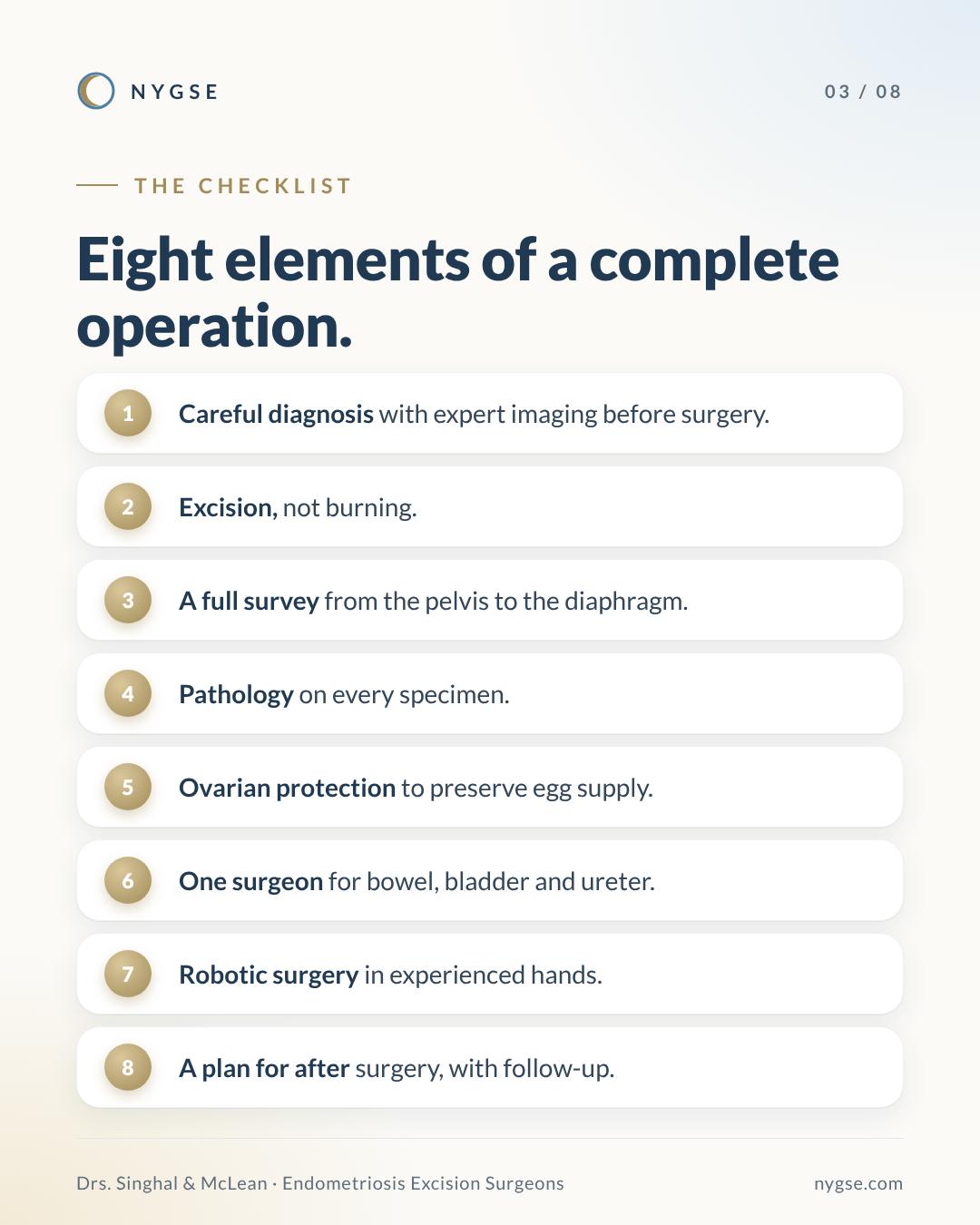
What a Complete Endometriosis Operation Should Include
What makes an endometriosis operation complete? NYGSE surgeons Dr. Pankaj Singhal and Dr. Virginia McLean explain eight essential elements of comprehensive surgical care, including careful diagnosis, excision, examination of the abdomen and pelvis, pathology, ovarian preservation, minimally invasive surgery, and postoperative planning.
NICE Endometriosis Guidelines at a Glance: 16 Key Recommendations
A concise clinical summary of 16 key NICE recommendations for endometriosis, including diagnostic evaluation, specialist referral, medical treatment, surgical management, and fertility considerations.
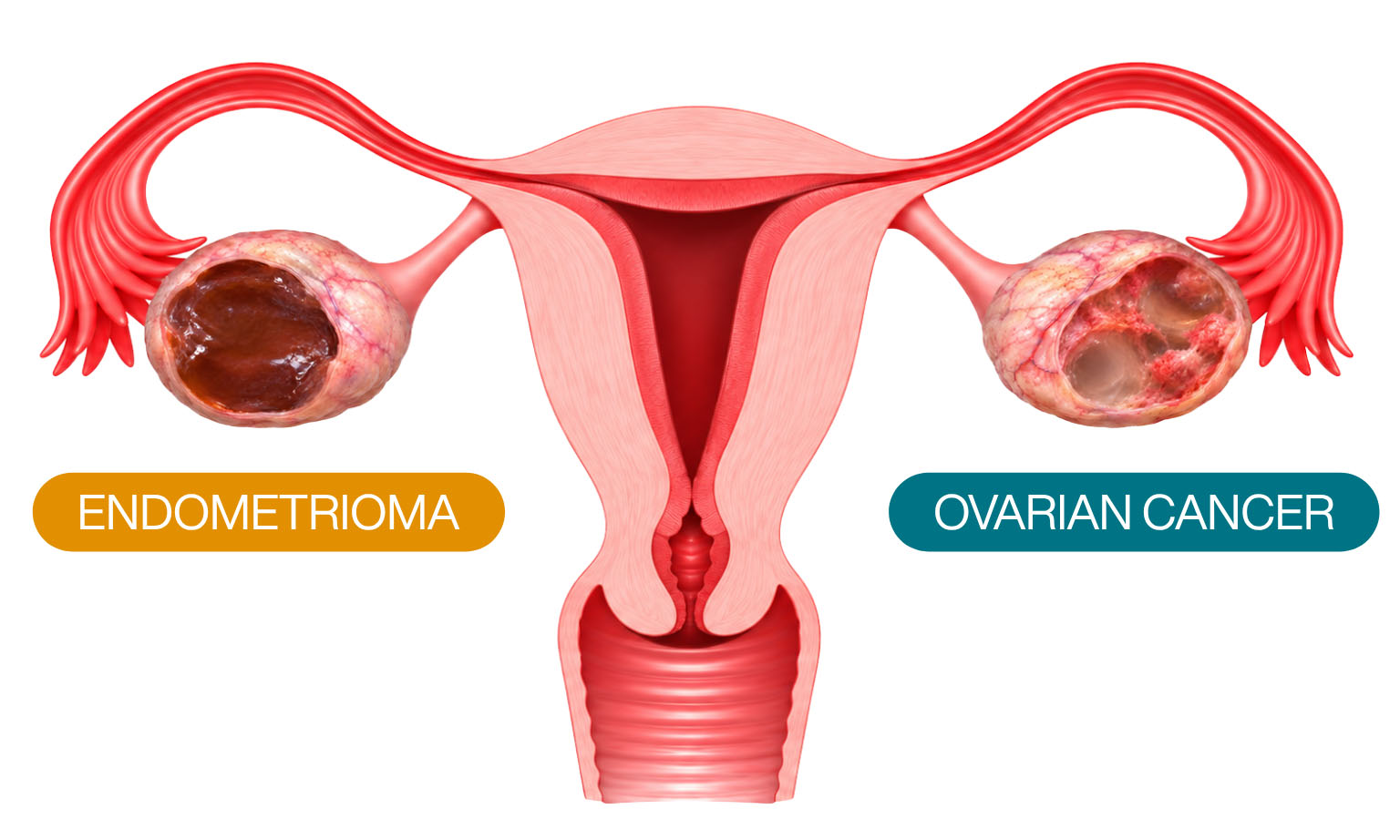
Ovarian Cancer and Endometrioma: Understanding the Connection
An ovarian endometrioma is usually benign, but certain ovarian cancers are associated with endometriosis. Learn about cancer risk, warning signs, and diagnostic evaluation.
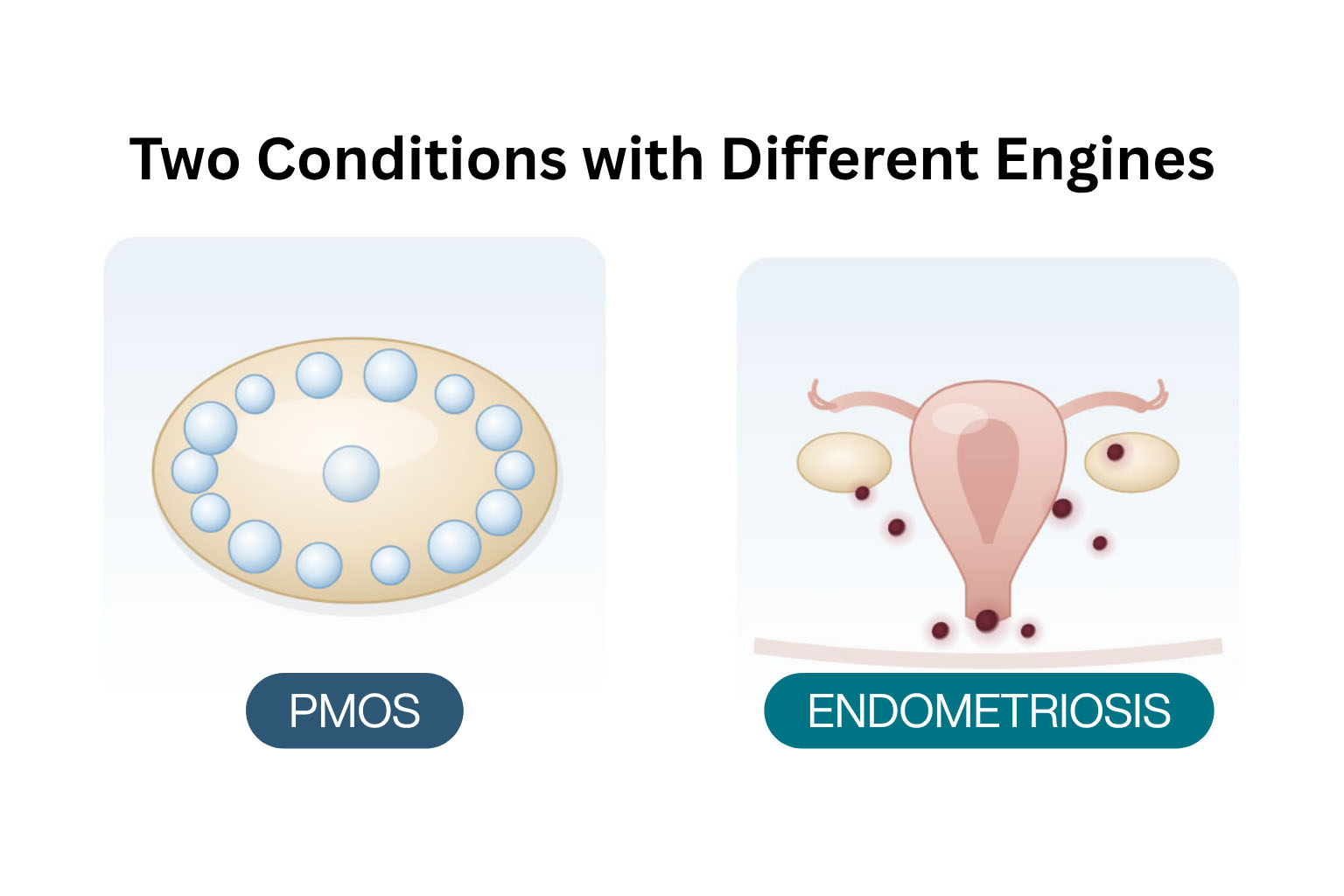
PMOS and Endometriosis: When Two Common Conditions Occur Together
Women with PMOS (formerly PCOS) can also have endometriosis. NYGSE surgeons explain the overlap, commonly missed symptoms, and implications for diagnosis, fertility, and surgical treatment.
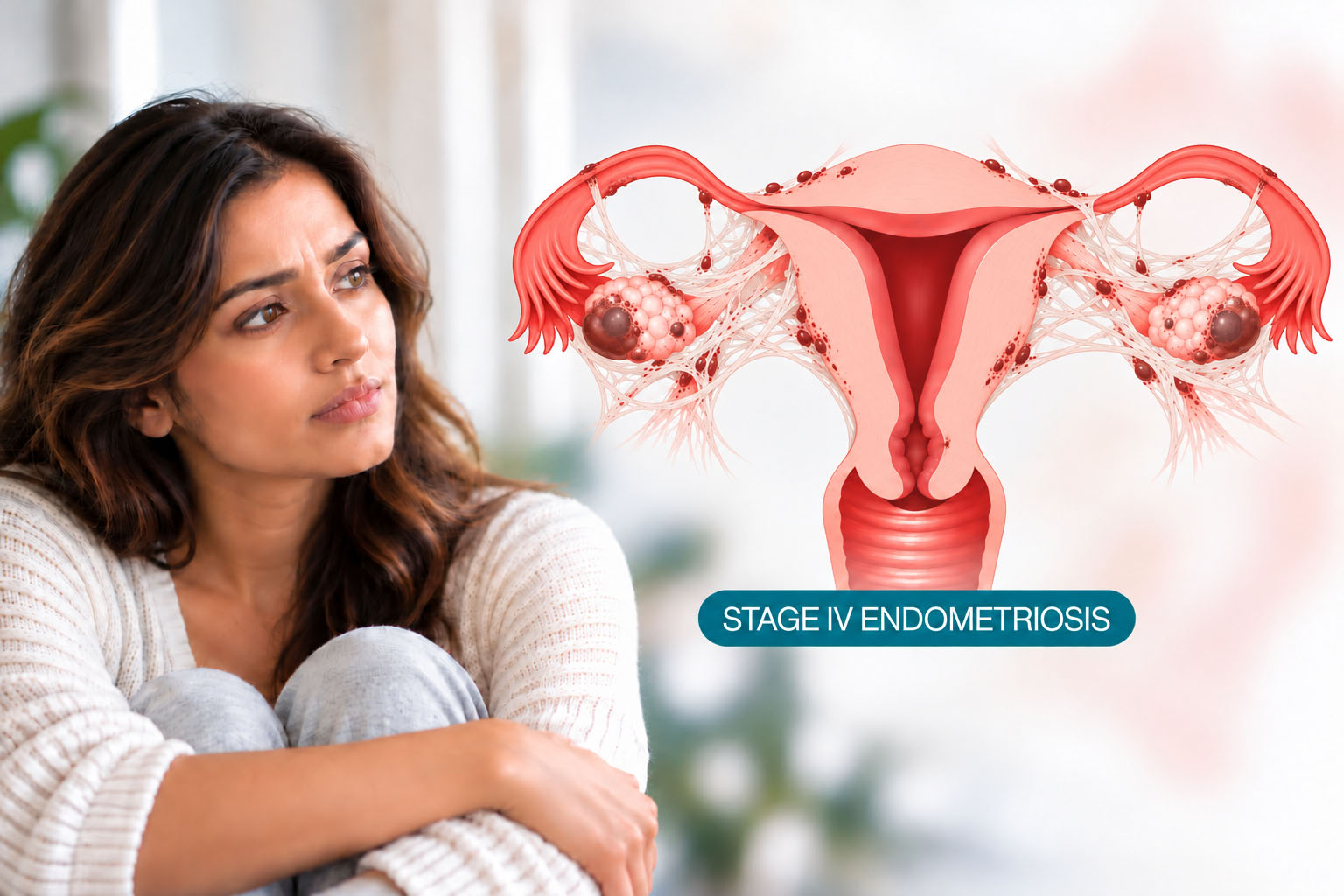
Getting Pregnant Naturally With Stage 4 Endometriosis
Natural pregnancy is possible with stage 4 endometriosis. Learn how severe disease can affect fertility and which factors influence your chances of conceiving.

Can You Get Pregnant After Endometriosis Surgery? Factors That Matter
Endometriosis surgery may improve the chances of pregnancy for some patients. Learn how surgery affects fertility, ovarian reserve, natural conception, and IVF options.
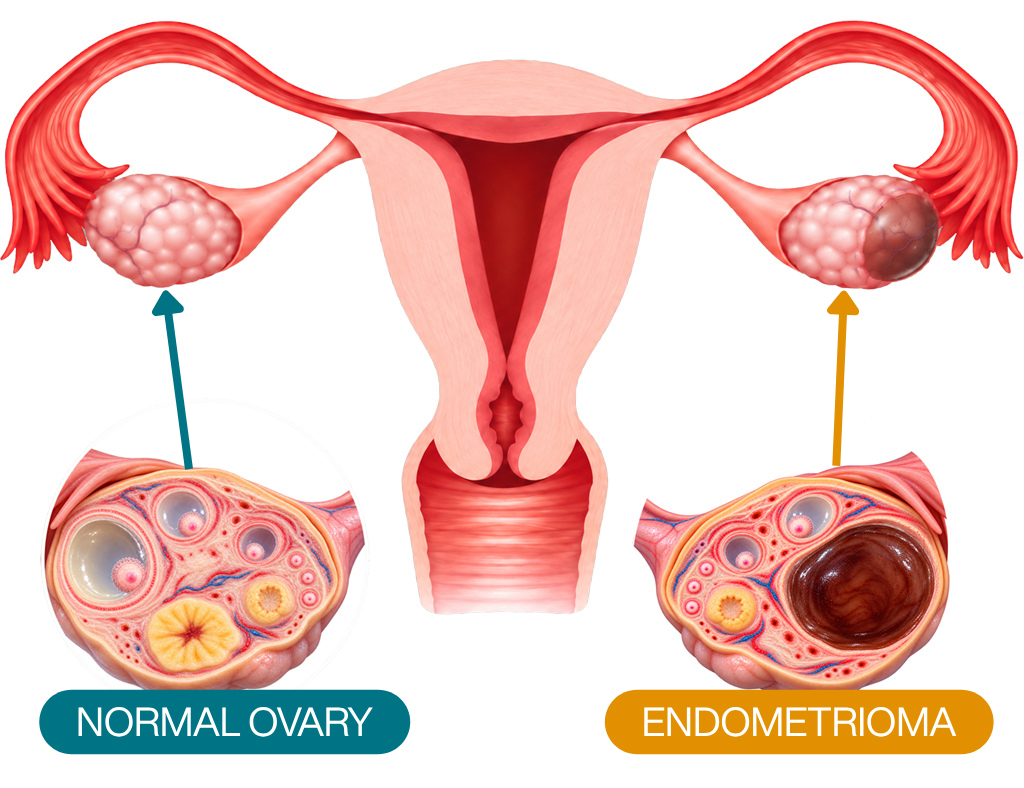
Why Do Ovarian Cysts Keep Coming Back? Understanding Endometrioma Recurrence
Recurring ovarian cysts may be associated with endometriosis, particularly when ovarian endometriomas return after surgery. Learn why these cysts recur, what research reveals about recurrence rates, and how treatment decisions may affect ovarian health and fertility.
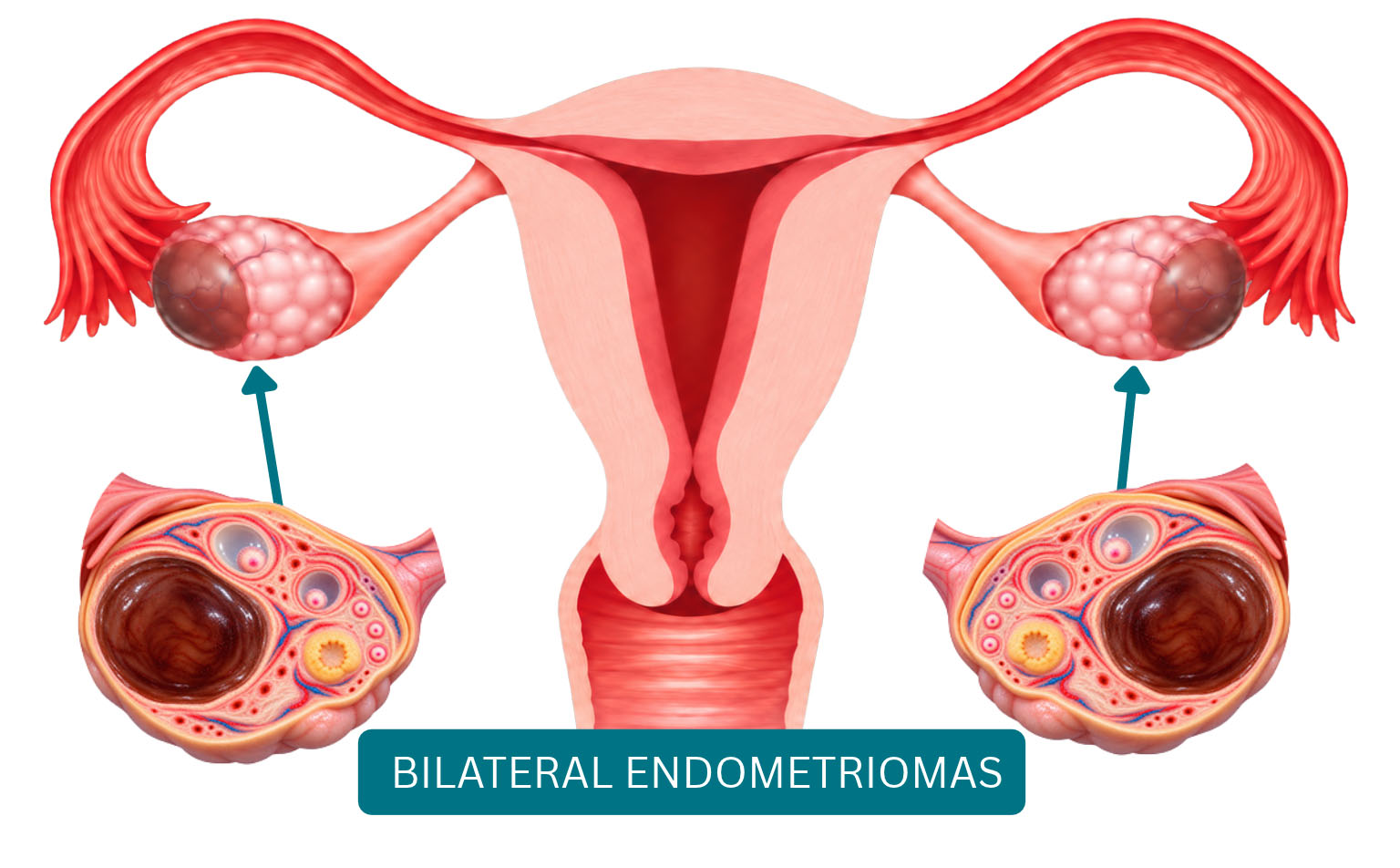
Bilateral Endometriomas and Their Impact on Ovarian Health
Bilateral endometriomas affect both ovaries and may raise questions about ovarian reserve, fertility, and treatment. Learn what this finding may mean and when further evaluation may be appropriate.
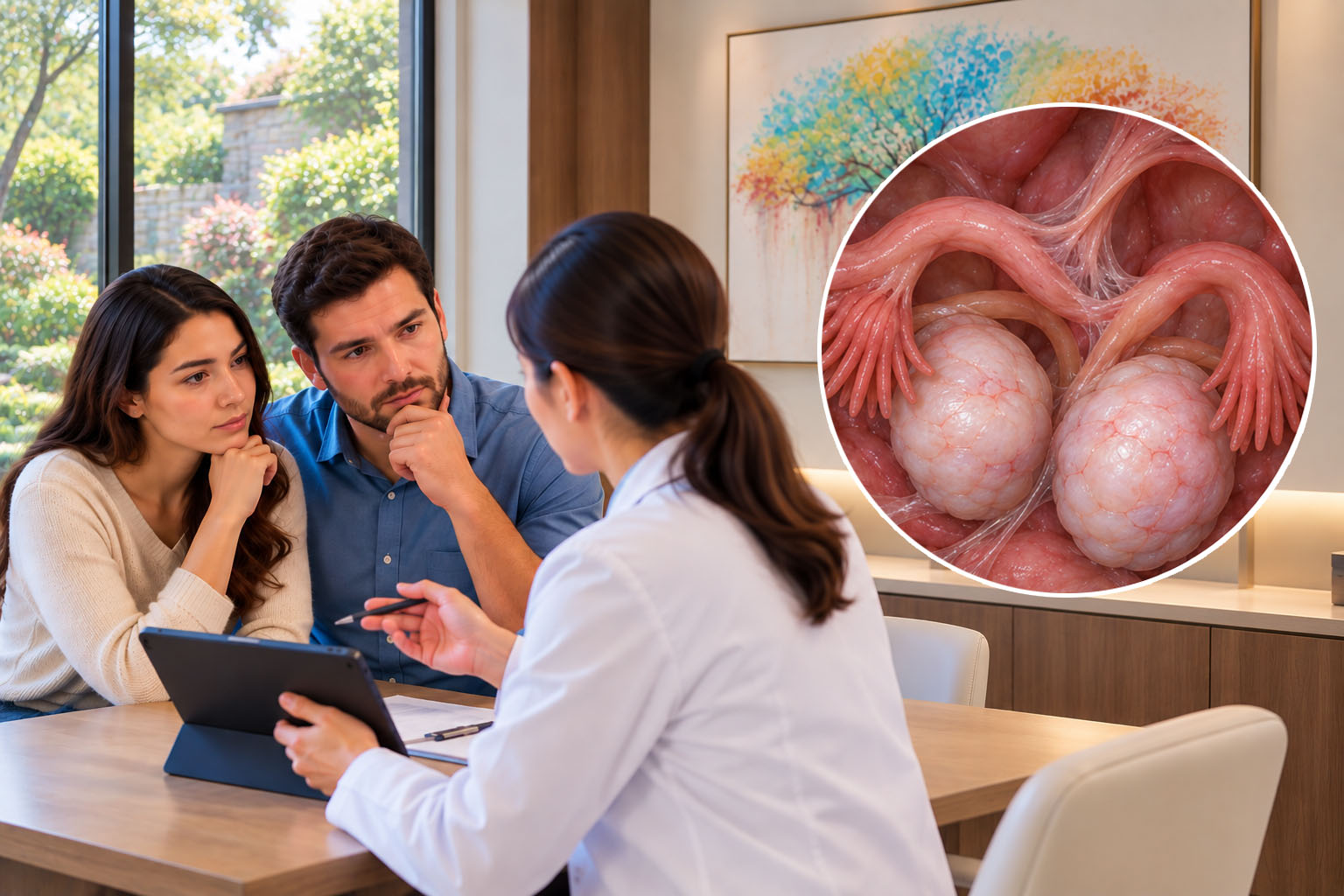
Getting Pregnant With Kissing Ovaries: Is Pregnancy Possible?
Kissing ovaries do not automatically mean infertility. Learn how endometriosis, adhesions, fallopian tubes, and ovarian health may affect your chances of pregnancy.
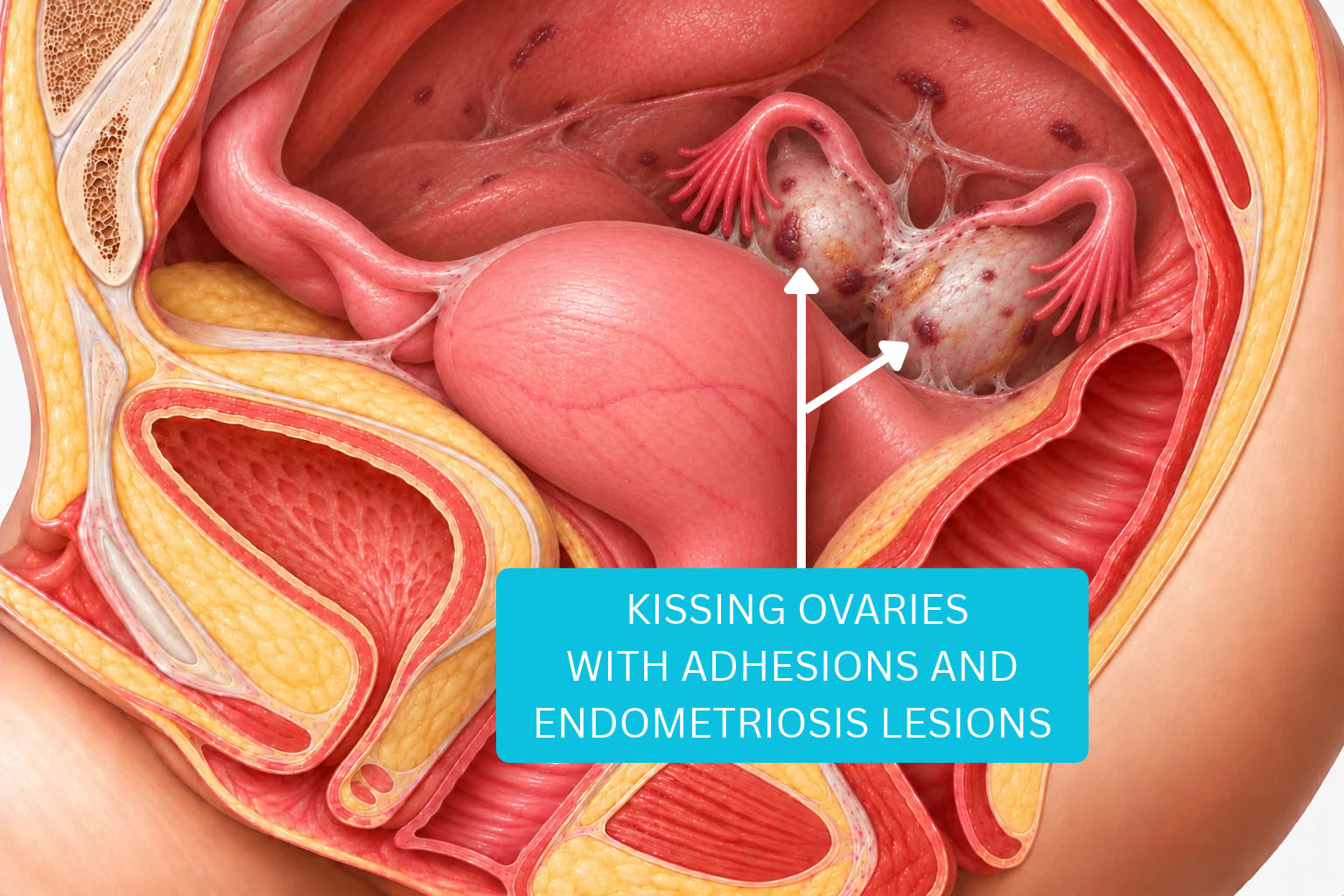
Kissing Ovaries: What Does This Ultrasound or MRI Finding Mean?
Kissing ovaries describe ovaries positioned unusually close together, typically behind the uterus. Learn why this imaging finding can be associated with endometriosis and pelvic adhesions.