Hormonal treatment can help many people manage endometriosis symptoms. Birth control pills, progestins, and medications that suppress ovarian hormone production may reduce pain and menstrual symptoms. [1][2]
But hormones do not work equally well for everyone. Some patients continue to experience significant pain despite treatment. Others improve temporarily, develop side effects, or find that symptoms return after medication is stopped.
When this happens, it may be time to reassess what is causing the symptoms and consider other treatment options.
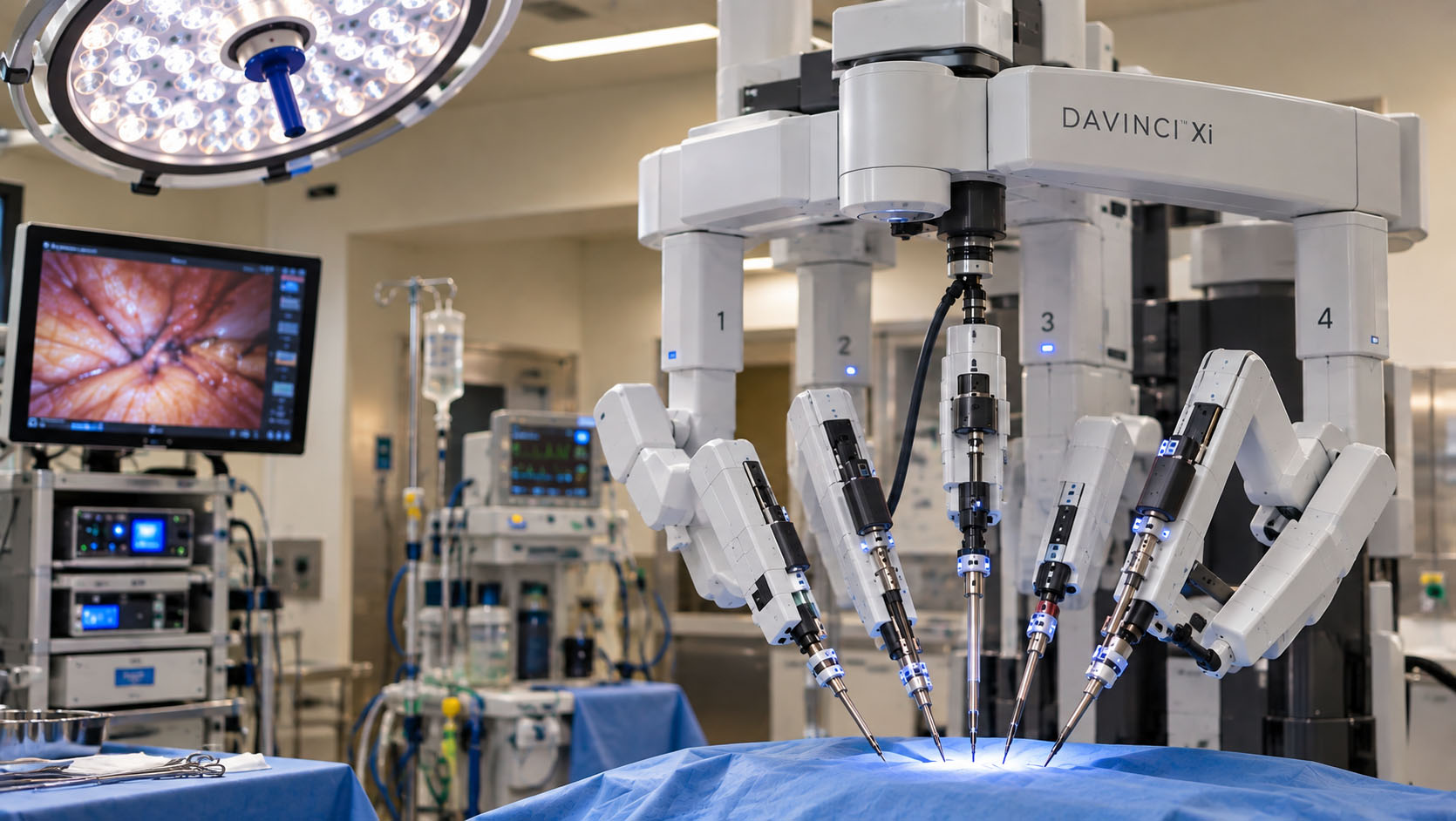
Robotic surgery may be considered for some patients with endometriosis when symptoms remain significant despite medical treatment.
When Hormonal Treatment Is Not Enough
Persistent symptoms do not necessarily mean that a patient simply needs stronger hormonal suppression.
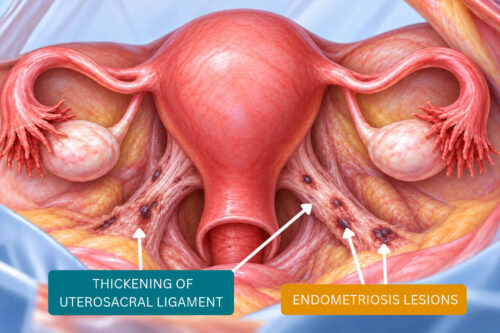
Endometriosis can involve the ovaries, bowel, bladder, fallopian tubes, and other areas of the pelvis. It can also be associated with endometriomas, fibrosis, and adhesions that change normal pelvic anatomy. [2][3]
Symptoms that continue despite treatment may include pelvic pain, painful periods, pain during sex, painful bowel movements, urinary symptoms, or pain that interferes with everyday activities. [2][4]
Hormonal medications can reduce the hormonal stimulation associated with endometriosis, but they do not surgically remove existing endometriosis lesions, endometriomas, fibrosis, or established adhesions. [1][2]
Pain can also have multiple causes. Pelvic floor dysfunction, nerve-related pain, and other gynecologic or gastrointestinal conditions may contribute to symptoms.
For this reason, persistent pain deserves further evaluation rather than automatically assuming that endometriosis is the only cause.
Other Options for Managing Endometriosis
Depending on the patient’s symptoms and goals, treatment may include pain medication, pelvic floor physical therapy, other supportive pain-management strategies, another hormonal approach, or surgery. [1][2]
The appropriate next step depends on factors such as previous treatments, medication side effects, fertility plans, imaging findings, and how significantly symptoms affect quality of life.
Should You Try Another Hormonal Treatment?
Sometimes.
Different hormonal treatments work in different ways. A patient who did not improve with one medication may respond differently to another. [1]
However, repeatedly changing medications is not necessarily the right approach for every patient. If symptoms remain significant, further evaluation can help determine whether another treatment strategy should be considered.
Surgery After Unsuccessful Hormonal Treatment
Surgery is another treatment option for endometriosis-associated pain. [1][2]
A surgical evaluation may become particularly relevant when symptoms remain significant despite medical treatment or when imaging or examination suggests findings such as:
The presence of these findings does not automatically mean surgery is necessary. The potential benefits and risks should be considered for each patient. [1][2]
Does Hormonal Treatment Have to Fail Before Surgery?
Not necessarily.
There is no requirement that every patient must try multiple hormonal medications before discussing surgery. [1][2]
Some patients cannot tolerate hormonal treatment. Others may have medical reasons for avoiding certain medications, be trying to become pregnant, or have symptoms and clinical findings that warrant a surgical evaluation.
Treatment decisions should consider the patient’s preferences as well as symptoms, previous treatment, fertility goals, and suspected extent of disease. [1][2]
Endometriosis Excision Surgery
When surgery is appropriate, excision surgery involves identifying and surgically removing areas of endometriosis. [1][2]
The complexity of the procedure can vary considerably. Disease limited to certain pelvic areas may require a different surgical approach than deep endometriosis involving the bowel, bladder, ureters, ovaries, or extensive adhesions.
Surgery also has potential risks and does not guarantee that pain will completely disappear or never return. This is why careful evaluation before surgery is important. [1][2]
When Should You See an Endometriosis Surgeon?
If endometriosis symptoms remain significant despite hormonal treatment, medications are difficult to tolerate, or imaging suggests endometriomas, adhesions, or deep endometriosis, a surgical consultation may help clarify your options.
A consultation does not mean that you have committed to surgery. It provides an opportunity to understand whether surgery could be appropriate and how it compares with continued medical management.
At New York Gynecology Surgery & Endometriosis (NYGSE), we consider symptoms, previous treatments, imaging findings, fertility goals, and the suspected location and extent of endometriosis when determining whether medical management, surgery, or another approach may be appropriate.
Becker, C. M., Bokor, A., Heikinheimo, O., Horne, A., Jansen, F., Kiesel, L., King, K., Kvaskoff, M., Nap, A., Petersen, K., Saridogan, E., Tomassetti, C., van Hanegem, N., Vulliemoz, N., & Vermeulen, N. (2022). ESHRE guideline: Endometriosis. Human Reproduction Open, 2022(2), hoac009. https://doi.org/10.1093/hropen/hoac009
National Institute for Health and Care Excellence. (2024). Endometriosis: Diagnosis and management (NICE Guideline NG73).https://www.nice.org.uk/guidance/ng73