Logotipo

LLAME PARA UNA CITA

631.533.9733

CONTÁCTANOS HOY

info@nygse.com

Logotipo

LLAME PARA UNA CITA

631.533.9733

CONTÁCTANOS HOY

info@nygse.com

Logotipo

LLAME PARA UNA CITA

631.533.9733

Endometriosis

21 Mitos y realidades sobre la endometriosis


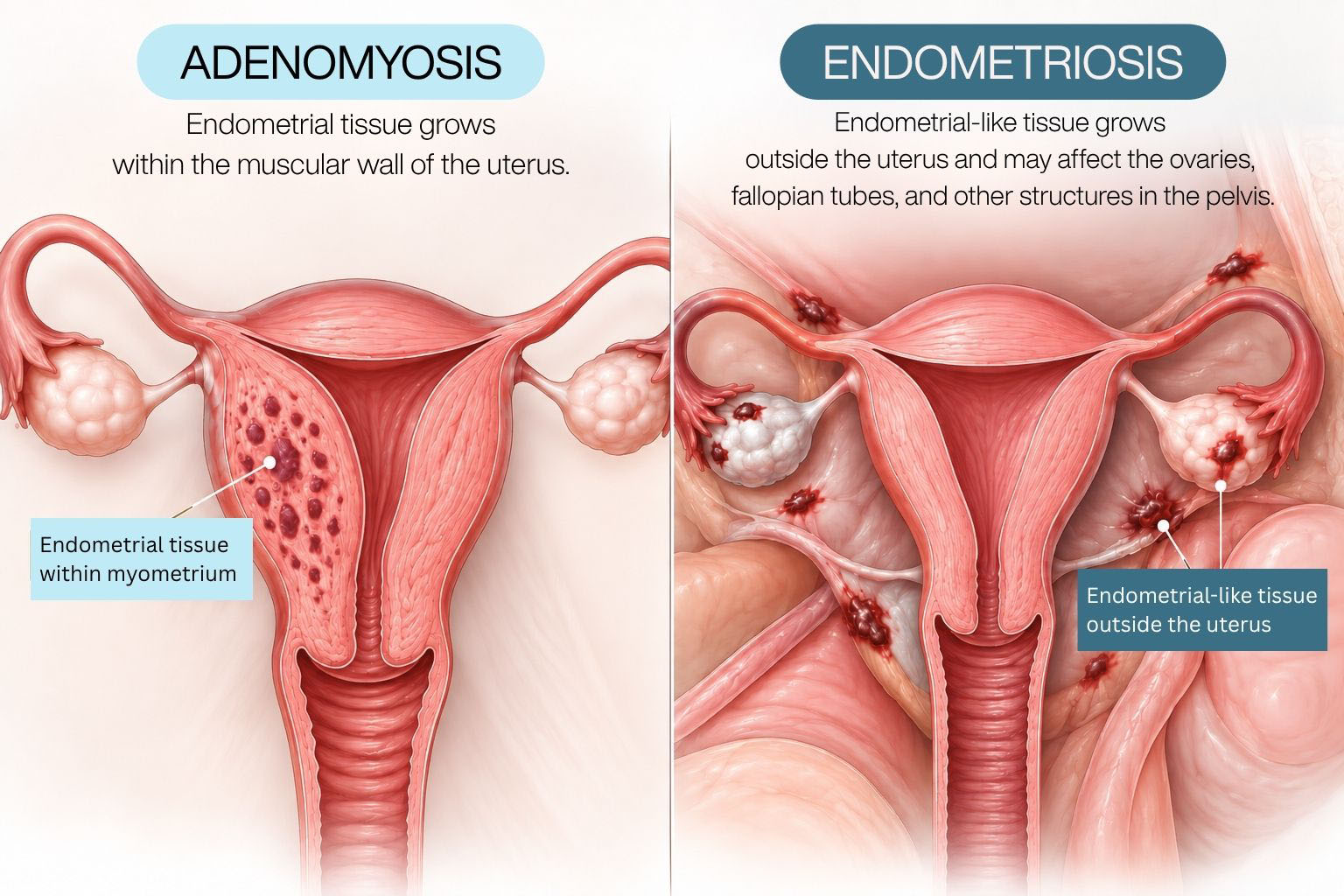
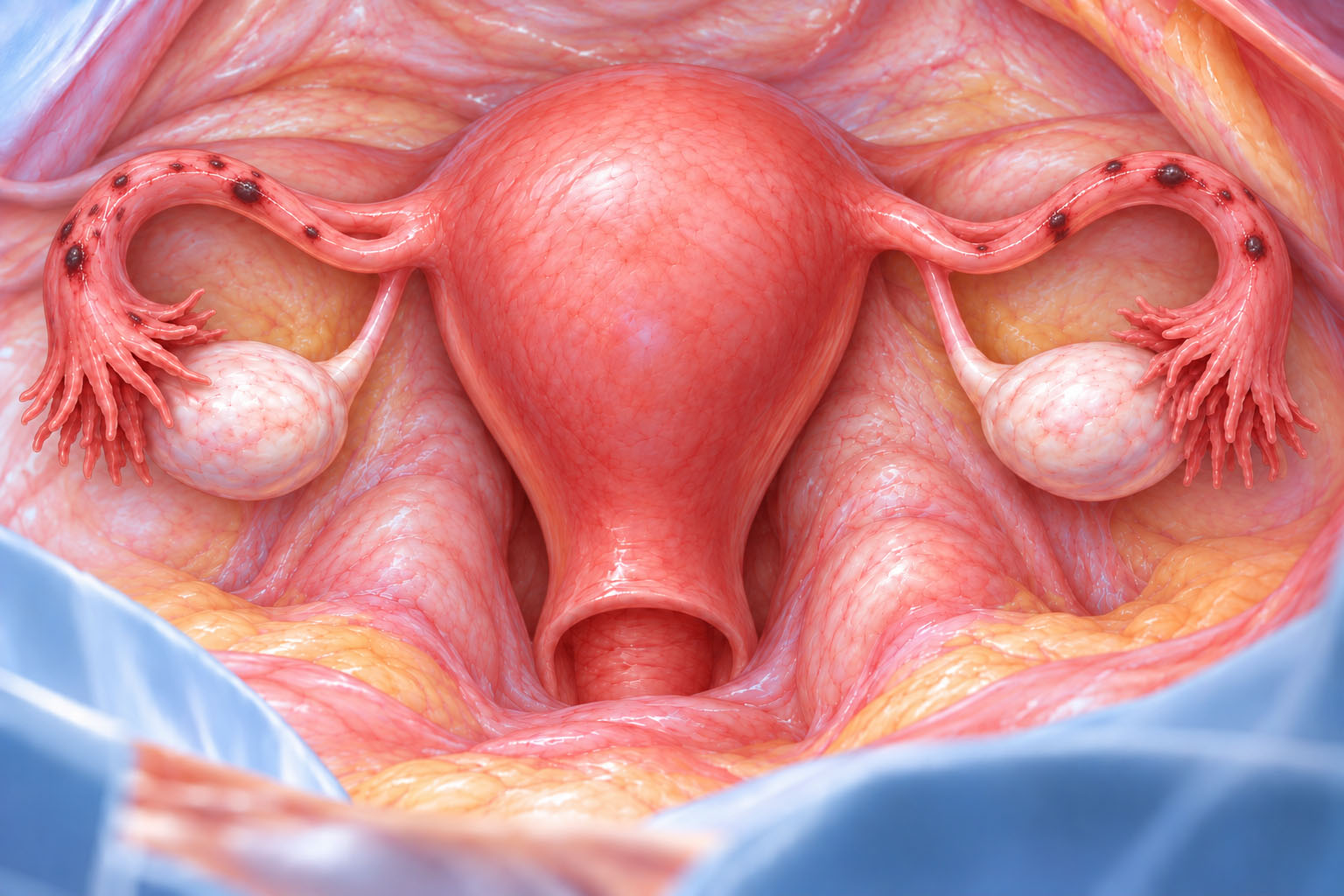
Endometriosis affects approximately 1 in 10 American women, making it a prevalent condition that is often misunderstood. It involves the abnormal growth of tissue similar to the uterine lining, known as the endometrium, outside of the uterus. These growths can lead to pain, scarring, and even infertility.

Unfortunately, a woman with endometriosis may go undiagnosed for up to seven years due to symptoms that resemble other common conditions like irritable bowel syndrome or pelvic inflammatory disease. Moreover, misconceptions surrounding the disease contribute to the hesitance of some women to seek medical assistance. To address concerns about painful periods or persistent pain in the lower back or pelvis, it is crucial to engage with your healthcare team for appropriate support and guidance.

Top 21 Myths and Facts About Endometriosis

Myth 1: Symptoms are merely attributed to heavy menstrual periods.

Some women with endometriosis mistakenly believe that their symptoms are typical for menstruation, and when they do seek help, they may be dismissed as overreacting to normal menstrual discomfort. However, the reality is that something far more significant is occurring beyond regular period cramps. One hypothesis suggests that the pain arises because even when endometrium-like tissue exists outside the uterus, it remains responsive to hormonal signals and releases chemicals that trigger inflammation and pain.

Throughout the menstrual cycle, this displaced endometrium-like tissue thickens and eventually undergoes bleeding. Unlike endometrial tissue within the uterus that can be expelled through the vagina each month, blood from the displaced tissue lacks an exit route. Consequently, it accumulates near the affected organs and tissues, causing irritation and inflammation. The outcome is persistent pain and, in some cases, the formation of adhesive scar tissue that can intertwine organs, resulting in discomfort during movement or sexual activity.

Myth 2: Endometriosis solely impacts the pelvic area.

While the pelvis, including the outer surface of the uterus, bladder, and fallopian tubes, is the most frequently affected region by endometriosis growths, it is important to recognize that endometriosis can develop anywhere in the body. In rare cases, endometrium-like tissue has even been identified in unexpected locations such as the lungs.

Myth 3: Endometriosis is universally characterized by pain.

Contrary to popular belief, not all individuals with endometriosis suffer from pain. In some cases, a woman may discover she has endometriosis only when investigating fertility challenges. It is worth noting that endometriosis is a leading cause of infertility in the United States and can elevate the risk of miscarriage and other pregnancy complications. However, it is encouraging to know that the majority of women with endometriosis eventually achieve the ability to conceive and have a child.

Myth 4: Endometriosis is preventable.

Due to the lack of a definitive understanding of the cause of endometriosis, there are no known methods to prevent its occurrence. However, taking certain measures to lower estrogen levels in the body can help decrease the risk, as estrogen can contribute to the growth of endometriosis and intensify symptoms. According to the US Office of Women’s Health, opting for a lower-estrogen birth control method, maintaining a healthy weight, and engaging in regular exercise are ways to reduce estrogen levels. While these steps may mitigate the risk, they do not guarantee the prevention of endometriosis.

Myth 5: Endometriosis always improves after menopause.

While endometriosis symptoms predominantly manifest during menstruation, some women continue to experience them even after the cessation of monthly cycles. This is because, after menopause, the ovaries still produce small quantities of estrogen.

Endometriosis growths may persistently respond to this hormone, leading to ongoing pain. Although many women witness an improvement in endometriosis symptoms after menopause, it is important to note that not all individuals experience relief. In some cases, women who have undergone menopause may opt for surgical interventions, such as the removal of endometriosis implants or adhesions, or even a hysterectomy and oophorectomy (ovary removal). However, it is crucial to recognize that these procedures do not guarantee pain control. Additionally, hormonal therapies appear to be less effective in managing endometriosis symptoms in women who have reached menopause.

Myth 6: Only older women can have endometriosis.

Endometriosis can develop in women of any age, including teenagers and young adults. While the condition is commonly diagnosed in individuals during their reproductive years, it is not limited to a specific age group.

Endometriosis can present itself shortly after a person’s first period and persist throughout their reproductive life. It is crucial to be aware of potential symptoms and seek medical attention regardless of age if there are concerns about endometriosis. Recognizing the misconception that only older women can have endometriosis is essential to ensure timely diagnosis and appropriate management for individuals of all age groups affected by this condition.

Myth 7: Endometriosis is just a women’s issue.

This belief overlooks the broader impact of endometriosis beyond the individual experiencing it. While it is true that endometriosis primarily affects people assigned female at birth, it can have significant effects on their partners, families, and support networks.

The physical and emotional challenges posed by endometriosis can influence various aspects of a person’s life, including their relationships, mental well-being, and overall quality of life. Partners and family members may also be affected as they provide support and witness the impact of the condition on their loved ones.

Moreover, endometriosis can have socioeconomic implications, such as missed work or educational opportunities, financial burdens due to medical expenses, and the need for specialized healthcare.

Myth 8: Endometriosis is always accompanied by visible symptoms.

Endometriosis is a complex condition that can manifest differently in different individuals.

While some people with endometriosis may experience noticeable symptoms such as pelvic pain, painful periods, or infertility issues, others may have no apparent external signs or visible indications of the condition. In fact, there are cases where individuals may have extensive endometriosis with minimal or no symptoms at all. This makes it challenging to diagnose endometriosis based solely on visible manifestations.

It is important to note that the severity of symptoms does not necessarily correlate with the extent or stage of the condition. Some individuals with mild endometriosis may experience severe pain, while others with extensive endometriosis may have minimal discomfort.

Myth 9: Women with endometriosis cannot get pregnant.

While endometriosis can affect fertility, it does not mean that all women with endometriosis are unable to conceive. It is important to understand that fertility is variable and can differ among individuals with endometriosis.

Many women with the condition are able to conceive naturally or with medical interventions. With appropriate management, including fertility treatments and assisted reproductive technologies, such as in vitro fertilization (IVF), the chances of pregnancy can be improved for individuals with endometriosis.

Myth 10: Pregnancy and childbirth will cure endometriosis.

While it is true that some individuals may experience temporary relief from endometriosis symptoms during pregnancy, as the hormonal changes can suppress the growth of endometrial tissue, it does not provide a permanent cure for the underlying condition. Endometriosis is a chronic condition that involves the presence of endometrium-like tissue outside the uterus, and it requires appropriate management and treatment.

After childbirth, endometriosis can potentially resume or persist, as the hormonal fluctuations postpartum can trigger the regrowth of endometrial tissue and reactivation of symptoms. In some cases, symptoms may even worsen after pregnancy.

Myth 11: Surgery always cures endometriosis.

The myth suggests that surgery is always a guaranteed cure for endometriosis, implying that undergoing a surgical procedure will completely eliminate the condition and its symptoms. However, this is not entirely true.

Surgery can be an effective treatment option for endometriosis, particularly in cases where there are visible endometrial implants, adhesions, or cysts that can be excised or removed. The surgical procedure commonly used for endometriosis is called laparoscopy, where a thin tube with a camera is inserted through small incisions in the abdomen to visualize and address the affected areas.

While surgery can provide relief and improvement in symptoms for many individuals, it does not guarantee a permanent cure. Endometriosis is a chronic condition that involves the presence of endometrial-like tissue outside the uterus, and it can be challenging to completely eradicate all affected areas during surgery. Additionally, there is a possibility of disease recurrence or new endometrial growths developing over time.

Myth 12: Endometriosis is a rare condition.

Endometriosis is actually a common condition that affects a significant number of people, particularly those assigned female at birth.

Endometriosis is estimated to impact as many as 1 in 10 individuals assigned female at birth, which translates to a substantial portion of the population. It is one of the most prevalent gynecological disorders, affecting millions of people worldwide. Despite its prevalence, endometriosis often remains underdiagnosed or misdiagnosed due to various factors such as lack of awareness, symptom variability, and the normalization of menstrual pain.

Myth 13: Hysterectomy is a cure for endometriosis.

While a hysterectomy (removal of the uterus) can alleviate symptoms associated with endometriosis, it is not a cure. Endometriosis can still persist in other areas outside the uterus, and symptoms may continue.

Myth 14: Endometriosis is just a psychological condition.

Endometriosis is a medical condition with physical manifestations. It is not a psychological disorder. The pain and other symptoms experienced by women with endometriosis are real and not imagined.

Myth 15: Hormonal birth control always treats endometriosis effectively.

Hormonal birth control methods, such as oral contraceptives, can help manage endometriosis symptoms for some women. However, they may not be effective for everyone, and different treatments may be necessary to find the most suitable approach for each individual.

Myth 16: Endometriosis is caused by poor hygiene or sexual promiscuity.

Endometriosis is not caused by uncleanliness, sexual activity, or promiscuity. The exact cause of endometriosis is unknown, but it is believed to involve a combination of genetic, hormonal, and immune system factors.

Myth 17: Women with endometriosis should avoid exercise.

Exercise can actually be beneficial for women with endometriosis. It can help reduce pain, improve overall well-being, and promote healthy circulation. However, it’s important to listen to your body and avoid activities that worsen your symptoms.

Myth 18: Endometriosis is only diagnosed through invasive surgery.

While laparoscopic surgery is the gold standard for diagnosing endometriosis definitively, it is not always the first step. A thorough medical history, pelvic examination, and imaging techniques such as ultrasound or MRI can provide valuable information.

Myth 19: Endometriosis is a form of cancer.

Endometriosis is not a type of cancer and should not be confused with malignant or cancerous conditions.

Endometriosis is a chronic gynecological disorder where tissue similar to the lining of the uterus, called the endometrium, grows outside of the uterus. While endometriosis can cause pain, inflammation, and adhesions, it is a non-cancerous condition.

Cancer, on the other hand, is characterized by the uncontrolled growth and spread of abnormal cells in the body. Cancer cells invade nearby tissues and can metastasize to other organs. Unlike endometriosis, cancer poses significant health risks, including the potential for life-threatening complications.

Myth 20: Endometriosis is a temporary condition that goes away on its own.

Endometriosis is a chronic condition that typically persists unless it is actively managed or treated. It does not resolve spontaneously without intervention.

While the severity of symptoms can fluctuate over time, endometriosis does not typically disappear without treatment. It is a chronic condition that may require long-term management to alleviate symptoms, improve quality of life, and prevent further complications.

Myth 21: Endometriosis only affects the reproductive organs.

The myth suggests that endometriosis is limited to affecting only the reproductive organs, insinuating that the condition exclusively impacts the uterus, ovaries, fallopian tubes, and related structures. However, this is not entirely accurate. While endometriosis commonly affects these reproductive organs, it can also extend beyond them, potentially impacting other areas of the body.

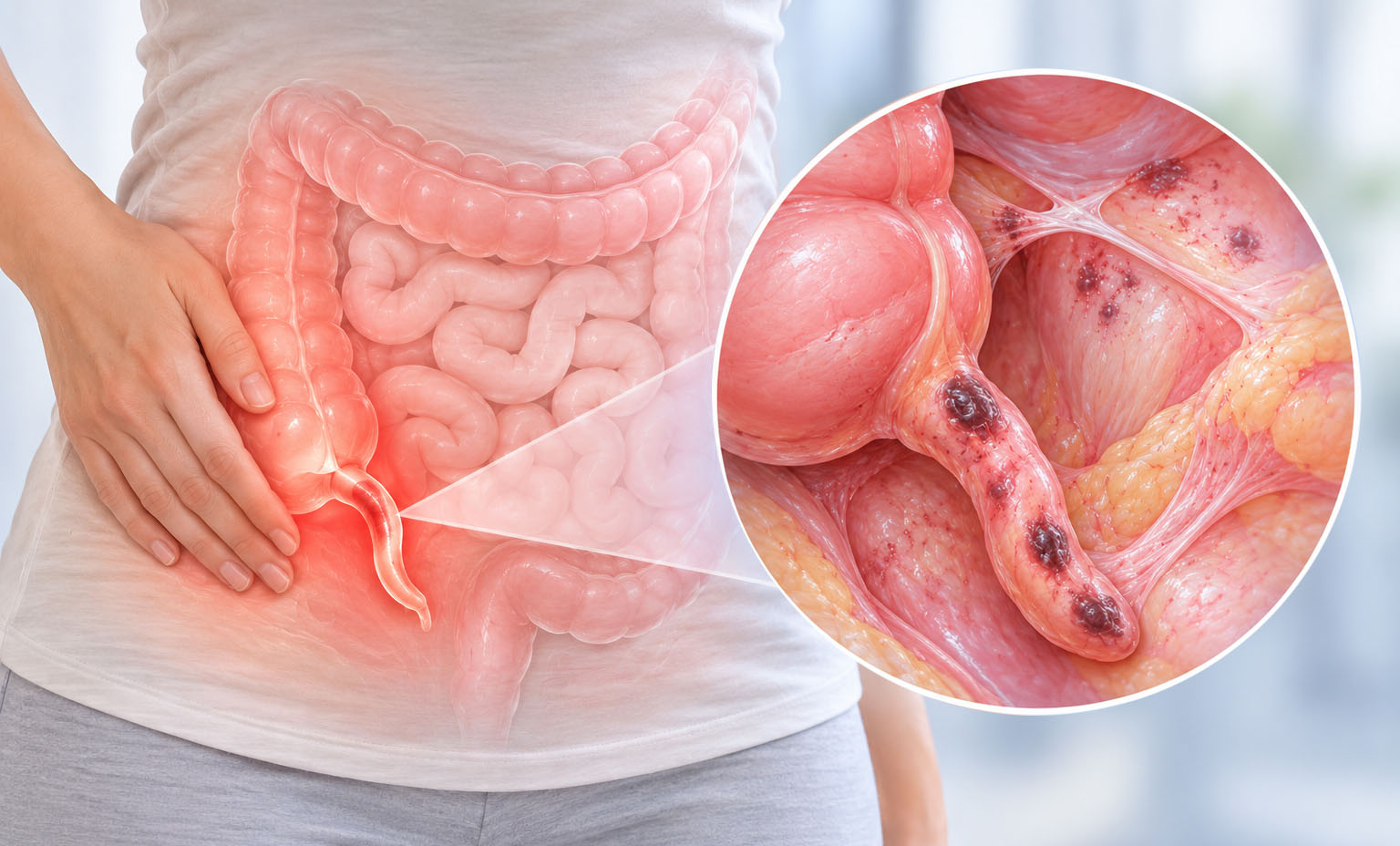
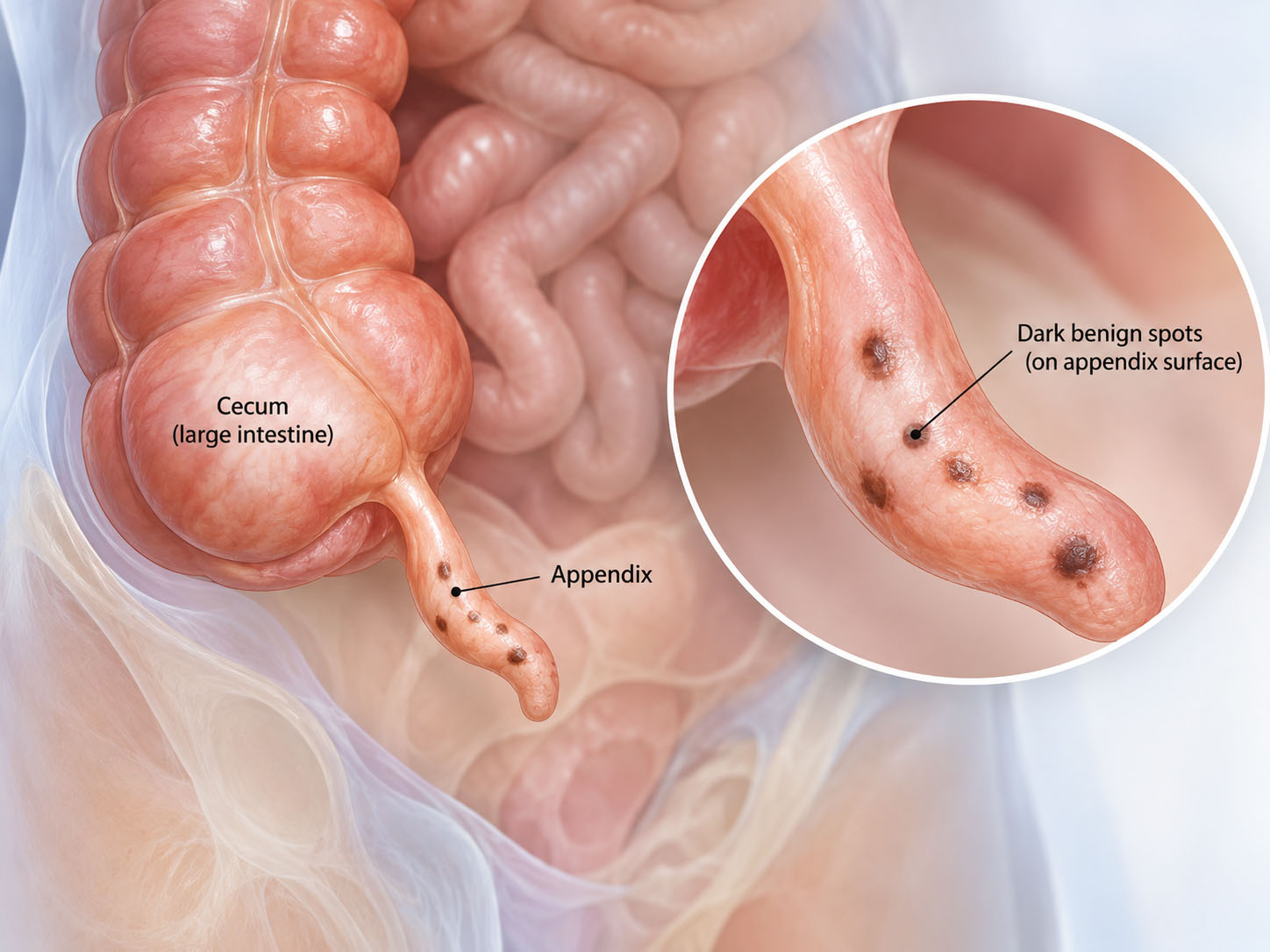
In reality, endometriosis can be found in extrapelvic locations, such as the bowel, bladder, and even distant sites like the lungs or surgical scars. These endometrial-like growths can cause symptoms and complications specific to the affected organs. For example, endometriosis in the bowel can lead to gastrointestinal issues, including abdominal pain, bloating, and digestive disturbances.

Stay updated on our Pinterest account for NYGE and NYGS.

Diferencia entre cirugía de escisión y ablación láser en el tratamiento de la endometriosis

Excision Surgery for Endometriosis

Excision surgery in endometriosis refers to a surgical procedure aimed at removing endometrial tissue and lesions that have grown outside the uterus. It is considered the gold standard surgical approach for treating endometriosis.

During excision surgery, a skilled surgeon carefully cuts out or excises the abnormal endometrial tissue, including any deep infiltrating or deeply rooted lesions. The procedure is typically performed using minimally invasive techniques such as laparoscopy, which involves making small incisions in the abdominal area and inserting a laparoscope, a thin, lighted tube with a camera, to visualize the pelvic cavity.

The surgeon then uses specialized instruments to identify and excise the endometrial implants, preserving healthy tissue and organs as much as possible. Excision surgery aims to completely remove the endometrial lesions, providing symptom relief and potentially improving fertility outcomes for individuals with endometriosis.

Excision surgery is preferred over other surgical techniques like ablation, which involves burning or vaporizing the lesions. Excision offers a more thorough removal of endometrial tissue and can be beneficial in cases where deep infiltrating lesions or extensive disease is present.

Excision surgery versus laser ablation for endometriosis explained during a patient consultation

Benefits of Excision Surgery

The benefits of excision surgery over laser ablation in the treatment of endometriosis are significant. Here are some key advantages of excision surgery:

Thorough removal of lesions: Excision surgery involves physically cutting out the endometriotic lesions, ensuring a more complete removal compared to laser ablation, where the lesions are burned or vaporized. Excision surgery allows for precise removal of deep infiltrating or deeply rooted lesions, reducing the likelihood of disease recurrence.

Improved symptom relief: Excision surgery has been shown to provide better and longer-lasting relief from symptoms associated with endometriosis, such as pelvic pain, dysmenorrhea (painful periods), and dyspareunia (pain during intercourse). By completely excising the lesions, excision surgery addresses the underlying cause of the symptoms.

Preservation of healthy tissue: Unlike laser ablation, which involves heating and potentially damaging surrounding healthy tissue, excision surgery aims to preserve as much healthy tissue and organs as possible. This is particularly important for preserving fertility-related structures like the ovaries and fallopian tubes.

Enhanced fertility outcomes: Excision surgery has demonstrated positive effects on fertility outcomes for individuals with endometriosis. By removing endometriotic implants, excision surgery can improve the chances of natural conception and increase the success rates of fertility treatments.

Accurate diagnosis and pathology evaluation: Excision surgery allows for a more accurate diagnosis of endometriosis through tissue biopsy and enables detailed pathological evaluation. This can provide valuable insights into the extent of the disease and help guide further treatment decisions.

It is important to consult with a knowledgeable healthcare professional who specializes in endometriosis to determine the most appropriate surgical approach based on individual circumstances and disease severity.

Laser Ablation for Endometriosis

Laser ablation in endometriosis is a surgical technique used to treat the condition. It involves the use of laser energy to destroy or vaporize the endometriotic lesions that have developed outside the uterus.

During the procedure, a surgeon inserts a laparoscope—a thin, lighted tube with a camera—through small incisions in the abdomen to visualize the pelvic cavity. A laser fiber is then used to apply controlled bursts of laser energy directly onto the endometriotic lesions. The laser energy heats and destroys the abnormal tissue, aiming to remove or reduce the lesions.

Laser ablation is considered a minimally invasive procedure and can be performed as a standalone surgery or in conjunction with other surgical techniques. It is typically used for superficial or shallow endometriotic lesions that are accessible and less invasive to treat.

Compared to excision surgery, laser ablation may have some limitations. It is not as effective in completely removing deep infiltrating or deeply rooted lesions, which can potentially lead to higher rates of disease recurrence. Additionally, there is a risk of thermal damage to surrounding healthy tissue during the laser ablation process.

Unlike excision surgery, laser ablation does not provide a tissue sample for precise pathological evaluation. This may limit the ability to accurately diagnose certain types of endometriosis or identify rare pathologies associated with the condition.

Benefits of Laser Ablation

Laser ablation in endometriosis treatment offers certain benefits over excision surgery. Here are some advantages of laser ablation:

  1. Less invasive procedure: Laser ablation is a minimally invasive procedure that requires smaller incisions compared to excision surgery. This results in reduced scarring, faster recovery time, and less post-operative pain.
  2. Suitable for superficial lesions: Laser ablation is particularly effective for treating superficial or shallow endometriotic lesions that are accessible through laparoscopic visualization. It can effectively target and destroy these lesions without the need for extensive tissue removal.
  3. Preservation of healthy tissue: Laser ablation aims to selectively destroy the endometriotic lesions while preserving surrounding healthy tissue. This can be advantageous when the lesions are located near vital structures such as the ovaries, fallopian tubes, or bowel. Preserving healthy tissue can help maintain organ function and potentially preserve fertility.
  4. Lower risk of complications: Laser ablation carries a lower risk of complications compared to more extensive surgical procedures like excision surgery. The procedure is associated with reduced blood loss, shorter hospital stays, and a lower likelihood of post-operative complications.
  5. Suitable for specific cases: Laser ablation may be a suitable option for individuals with milder cases of endometriosis or when the lesions are limited in depth and extent. It can effectively manage symptoms and provide relief in these cases.

It’s important to note that the choice between laser ablation and excision surgery depends on various factors, including the location and extent of the lesions, severity of symptoms, and individual patient characteristics.

Main Difference Between Laser Ablation and Excision Surgery

The main difference between laser ablation and excision surgery lies in the approach and extent of tissue removal:

  1. Approach: Laser ablation uses laser energy to destroy or vaporize endometriotic lesions, while excision surgery involves physically cutting out or excising the lesions.
  2. Tissue removal: Laser ablation primarily targets the surface of the lesions, aiming to destroy the superficial tissue layers. Excision surgery, on the other hand, involves the complete removal of the lesions, including deeper and infiltrating tissue layers.
  3. Lesion eradication: Laser ablation focuses on destroying or ablating the visible lesions, while excision surgery aims to completely remove the lesions, including any deep infiltrating or deeply rooted endometriosis.
  4. Recurrence rates: Due to the more thorough removal of lesions, excision surgery generally has lower recurrence rates compared to laser ablation. Excision surgery aims to remove the lesions at their roots, reducing the likelihood of disease recurrence.
  5. Suitability: Laser ablation is often suitable for individuals with superficial or shallow lesions that are accessible through laparoscopic visualization. Excision surgery is preferred when there are deeper or infiltrating lesions that require complete removal.

Choosing the Right Approach

The best surgical approach depends on the location and depth of endometriosis, your symptoms, fertility goals, and other individual factors. Understanding these differences can help you have a more informed discussion with your surgeon.

En New York Gynecology Surgery & Endometriosis (NYGSE), we evaluate each patient individually and develop a treatment plan based on the extent of disease and their specific needs. If you are considering endometriosis surgery or continue to have symptoms after a previous procedure, our specialists can help you understand your options.

¿Cuáles son los enfoques no quirúrgicos para el manejo de la endometriosis?

La endometriosis es una afección en la que un tejido similar al revestimiento del útero crece fuera de este, lo que causa dolor y malestar. Si bien a menudo se utiliza la cirugía para tratar la endometriosis, también existen enfoques no quirúrgicos que pueden ser útiles.

Aquí hay algunas opciones:

  1. Manejo del dolor: Los analgésicos de venta libre, como el ibuprofeno y el paracetamol, pueden ayudar a controlar el dolor asociado con la endometriosis. En algunos casos, puede ser necesario un analgésico recetado.
  2. Terapias hormonales: Las terapias hormonales, como las pastillas anticonceptivas, los dispositivos intrauterinos hormonales o las terapias exclusivas con progestina, pueden ayudar a regular el ciclo menstrual y a reducir la cantidad de tejido endometrial que crece fuera del útero.
  3. Cambios en la dieta: Algunas personas con endometriosis descubren que los cambios en la dieta pueden ayudar a reducir los síntomas. Por ejemplo, algunas personas informan que reducir el consumo de carne roja y productos lácteos, y aumentar el consumo de frutas, verduras y ácidos grasos omega-3 puede ayudar.
  4. Fisioterapia La fisioterapia puede ser útil para las personas con endometriosis que experimentan tensión o dolor en los músculos del piso pélvico. Un fisioterapeuta puede trabajar con usted para desarrollar ejercicios y estiramientos que puedan ayudar a aliviar el dolor y la incomodidad.
  5. Terapias de la mente y el cuerpo: Las terapias de la mente y el cuerpo, como la meditación, el yoga y la acupuntura, pueden ayudar a reducir el estrés y mejorar el bienestar general, lo que a su vez puede disminuir los síntomas de la endometriosis.

Es importante señalar que estos enfoques pueden no funcionar para todos y que la cirugía puede ser necesaria en algunos casos. Si experimentas síntomas de endometriosis, es importante que hables con tu proveedor de atención médica sobre tus opciones de tratamiento.

Terapias hormonales

La terapia hormonal es una opción de tratamiento común para la endometriosis. El objetivo de la terapia hormonal es reducir la producción de estrógeno en el cuerpo, lo que puede ayudar a ralentizar el crecimiento y la propagación del tejido endometrial.

Aquí hay algunos tipos de terapia hormonal que se pueden usar para tratar la endometriosis:

  1. Anticonceptivos hormonales combinados: Las pastillas anticonceptivas, los parches y los anillos vaginales contienen una combinación de hormonas de estrógeno y progestina, que pueden ayudar a regular el ciclo menstrual y reducir el crecimiento del tejido endometrial.
  2. Anticonceptivos que solo contienen progestina: Los anticonceptivos que contienen solo progestina, como la minipíldora, la inyección de Depo-Provera y los dispositivos intrauterinos (DIU) que contienen progestina, pueden ayudar a reducir el crecimiento del tejido endometrial y aliviar los síntomas de la endometriosis.
  3. Agonistas de la hormona liberadora de gonadotropina (GnRH): Los agonistas de la GnRH son medicamentos que actúan reduciendo la producción de estrógeno en el cuerpo. Por lo general, se administran en inyecciones o aerosoles nasales y pueden ser eficaces para reducir el crecimiento y la propagación del tejido endometrial.
  4. Inhibidores de la aromatasa: Los inhibidores de la aromatase son medicamentos que bloquean la producción de estrógeno en el cuerpo. Por lo general, se usan en mujeres postmenopáusicas que tienen endometriosis.

Es importante señalar que la terapia hormonal puede tener efectos secundarios y es posible que no sea eficaz para todas las mujeres con endometriosis. Su proveedor de atención médica puede ayudarle a determinar si la terapia hormonal es una buena opción para usted y puede ayudarle a sopesar los posibles beneficios y riesgos.

Dieta y nutrición

Ácidos grasos omega-3

Los ácidos grasos omega-3, que se encuentran en el aceite de pescado, pueden ser útiles para reducir la inflamación y el dolor asociados con la endometriosis. Los estudios han demostrado que los ácidos grasos omega-3 pueden ayudar a reducir la producción de prostaglandinas, las cuales son responsables de los dolorosos cólicos menstruales asociados con la endometriosis.

Además de reducir el dolor, los ácidos grasos omega-3 también pueden mejorar la fertilidad en mujeres con endometriosis. La endometriosis puede causar infertilidad debido a la presencia de tejido endometrial fuera del útero, y los ácidos grasos omega-3 pueden ayudar a mejorar la calidad del tejido endometrial en el útero, facilitando que ocurran la fertilización y la implantación.

Es importante señalar que, aunque los ácidos grasos omega-3 pueden ser útiles para reducir los síntomas de la endometriosis, no deben utilizarse como sustituto del tratamiento médico.

Curcumina

La curcumina es un compuesto natural que se encuentra en la cúrcuma, una especia comúnmente utilizada en la cocina india y de Oriente Medio. Se ha estudiado por sus posibles beneficios para la salud, incluidas sus propiedades antiinflamatorias. Algunos estudios han sugerido que la curcumina puede ser útil para reducir los síntomas de la endometriosis.

Un estudio publicado en la revista Evidence-Based Complementary and Alternative Medicine descubrió que la curcumina era eficaz para reducir el dolor asociado con la endometriosis. Otro estudio publicado en el Journal of Ovarian Research descubrió que la curcumina era eficaz para inhibir el crecimiento de células endometriales in vitro.

Si bien estos estudios sugieren que la curcumina puede ser útil para reducir los síntomas de la endometriosis, se necesita más investigación para confirmar estos hallazgos. Es importante hablar con su proveedor de atención médica antes de tomar cualquier suplemento, incluida la curcumina, ya que pueden interactuar con otros medicamentos o afecciones médicas.

Reduzca las grasas saturadas y trans

Reducir la ingesta de grasas saturadas y trans en la dieta puede ser útil para controlar la endometriosis. Los estudios han demostrado que una dieta rica en grasas saturadas y trans puede aumentar la inflamación en el cuerpo, lo que puede empeorar los síntomas de la endometriosis.

Las grasas saturadas se encuentran en productos de origen animal como la carne y los lácteos, así como en algunos aceites vegetales como el aceite de coco y el aceite de palma. Las grasas trans se encuentran en alimentos procesados como la margarina, los alimentos fritos y los productos horneados.

Reemplazar las grasas saturadas y trans con grasas saludables, como las grasas monoinsaturadas y poliinsaturadas, puede ser beneficioso para la salud general y puede ayudar a reducir la inflamación en el cuerpo. Las grasas saludables se encuentran en alimentos como frutos secos, semillas, aguacate, pescado graso y aceite de oliva.

Es importante señalar que los cambios en la dieta por sí solos pueden no ser suficientes para controlar la endometriosis, y que el tratamiento médico puede ser necesario.

Suplementación con vitaminas para la endometriosis

Existe investigación limitada sobre la eficacia de la suplementación vitamínica para el manejo de la endometriosis. Sin embargo, algunos estudios sugieren que ciertas vitaminas pueden ser útiles para reducir los síntomas y mejorar la salud general.

Aquí hay algunas vitaminas que se han estudiado en relación con la endometriosis:

  • Vitamina D: Los niveles bajos de vitamina D se han asociado con un aumento de la inflamación y el dolor en mujeres con endometriosis. La suplementación con vitamina D puede ayudar a reducir la inflamación y el dolor asociados con la endometriosis.

  • Vitamina E: La vitamina E es un antioxidante que puede ayudar a reducir la inflamación y mejorar la función inmunológica. Algunos estudios sugieren que la suplementación con vitamina E puede ayudar a reducir el dolor asociado con la endometriosis.

  • Vitamina B6: La vitamina B6 es importante para el equilibrio hormonal y puede ayudar a regular el ciclo menstrual. Algunos estudios sugieren que los suplementos de vitamina B6 pueden ser útiles para reducir los síntomas de la endometriosis.

Es importante señalar que la suplementación con vitaminas no debe utilizarse como sustituto del tratamiento médico. Además, tomar dosis altas de vitaminas puede tener efectos secundarios y puede interactuar con otros medicamentos o afecciones médicas, por lo que es importante hablar con su proveedor de atención médica antes de comenzar a tomar cualquier suplemento.

Terapias físicas

La fisioterapia puede ser una opción de tratamiento útil para las mujeres con endometriosis, en particular para aquellas que experimentan dolor durante la actividad sexual o los exámenes pélvicos.

Aquí hay algunas formas en que la fisioterapia puede utilizarse para tratar la endometriosis:

  1. Terapia de los músculos del suelo pélvico: La terapia de los músculos del suelo pélvico incluye ejercicios para fortalecer dichos músculos, lo que puede ayudar a aliviar el dolor y mejorar la función sexual. Este tipo de terapia puede incluir biorretroalimentación para ayudarle a aprender a controlar los músculos del suelo pélvico.
  2. Terapia manual: La terapia manual puede incluir masajes o manipulación de los músculos pélvicos, lo que puede ayudar a aliviar el dolor y mejorar la movilidad.
  3. Ejercicio El ejercicio, en particular las actividades de bajo impacto como el yoga o la natación, puede ayudar a mejorar la condición física general y a reducir el dolor asociado con la endometriosis.
  4. Educación: Los fisioterapeutas pueden brindar educación sobre técnicas de manejo del dolor y estrategias para mejorar las actividades diarias y minimizar las molestias.

Es importante señalar que la fisioterapia debe utilizarse junto con otros tratamientos médicos para la endometriosis, y que no todas las mujeres con endometriosis se beneficiarán de la fisioterapia.

Recordatorio importante

La endometriosis es una afección inflamatoria dolorosa y a menudo incapacitante que puede afectar en gran medida la calidad de vida de una mujer. Sin embargo, existen remedios naturales y cambios en el estilo de vida que pueden ser herramientas de manejo eficaces para reducir los síntomas y mejorar la salud general con poco o ningún riesgo.

Si ha probado remedios naturales y sus síntomas no han mejorado, es importante buscar consejo médico de su doctor sobre los próximos pasos para manejar su condición. No permita que la endometriosis quede sin tratar, ya que puede afectar significativamente su vida diaria y su bienestar.

¿Cuándo se considera una emergencia la cirugía de endometriosis?

Endometriosis is a medical condition that continues over time, in which tissue resembling the uterus lining is found outside of the uterus. This tissue is often associated with monthly menstrual cycles and is recognized for causing unusually painful and heavy periods, pelvic discomfort, intense cramps, and painful sexual intercourse (dyspareunia).

Endometriosis Surgery is Considered an Emergency in Following Situations:

  1. Severe Pelvic Pain: If a woman experiences sudden, severe pelvic pain that is unresponsive to pain medication, it could indicate a ruptured endometrioma, a cyst formed by endometrial tissue that has grown outside of the uterus. This is a medical emergency and requires immediate surgical intervention.
  2. Internal Bleeding: Endometriosis can cause abnormal blood vessel growth, which can lead to internal bleeding. If a woman experiences heavy or prolonged vaginal bleeding or signs of internal bleeding, such as dizziness, weakness, or fainting, she should seek emergency medical attention.
  3. Bowel or Bladder Obstruction: Endometriosis can cause the growth of abnormal tissue that can obstruct the bowel or bladder. If a woman experiences severe abdominal pain, nausea, vomiting, constipation, or difficulty urinating, she should seek emergency medical attention.
  4. Infertility: If a woman is experiencing infertility, and endometriosis is suspected as the cause, surgery may be necessary to improve her chances of conceiving. In some cases, surgery may need to be performed urgently if there is evidence of ovarian torsion, which can cause infertility.

Endometriosis with an Acute Colon Obstruction

Endometriosis with an acute colon obstruction is a rare but serious complication of endometriosis. It occurs when endometrial tissue grows on or around the colon and causes a blockage in the bowel. The symptoms of an acute colon obstruction can be severe and include sudden and severe abdominal pain, bloating, nausea, vomiting, and constipation. In some cases, the bowel may become perforated or ruptured, which can lead to infection, sepsis, or even death.

Treatment for endometriosis with an acute colon obstruction usually involves emergency surgery to remove the blockage and any affected tissue. The type of surgery will depend on the severity and location of the obstruction, as well as the individual’s overall health and medical history. In some cases, a partial colectomy (removal of a portion of the colon) may be necessary. After surgery, the individual may require a temporary colostomy (a surgical opening in the abdomen for waste to pass through) to allow the bowel to heal. With prompt treatment, most individuals with endometriosis and an acute colon obstruction can recover fully and resume normal activities. However, long-term management of endometriosis is still necessary to prevent future complications.

Deep Infiltrating Endometriosis (DIE)

Deep infiltrating endometriosis (DIE) is a severe form of endometriosis that can sometimes require emergency medical attention. This occurs when the endometrial tissue grows deep into the tissue surrounding the uterus, such as the bladder, bowel, or rectum, causing significant pain and other symptoms.

In some cases, DIE can lead to complications such as severe bleeding, bowel obstruction, or perforation, which require immediate medical attention. For example, if the endometrial tissue has grown into the bowel or rectum, it can cause a blockage or perforation, leading to abdominal pain, fever, and sepsis. Similarly, if the endometrial tissue has grown into the bladder, it can cause urinary retention, which can lead to kidney damage if left untreated.

Therefore, if a woman with deep infiltrating endometriosis experiences severe symptoms, such as intense abdominal pain, fever, or difficulty passing urine or stool, she should seek medical attention immediately. Depending on the severity of the symptoms, emergency surgery may be required to address the underlying issue and prevent further complications.

when is endometriosis an emergency

Surgery is Not the First Choice of Treatment for Endometriosis

Surgery is not typically the first choice of treatment for endometriosis because it is a complex and invasive procedure that carries risks and potential complications. Additionally, endometriosis is a chronic condition that often requires long-term management, and surgery alone may not provide a permanent solution.

Instead, medical treatments such as pain relief medications, hormonal therapies, and lifestyle modifications are often recommended as the first-line treatment for endometriosis. These treatments can help to manage symptoms, slow the growth of endometrial tissue, and improve a woman’s quality of life without the need for surgery.

Moreover, surgery for endometriosis is not always successful in removing all the endometrial tissue, and in some cases, it can lead to the formation of scar tissue or adhesions, which can cause further complications and pain. Therefore, surgery is typically reserved for cases where other treatments have been unsuccessful or when there are specific indications, such as infertility or large endometrial cysts. Ultimately, the decision to pursue surgery for endometriosis should be made in consultation with a healthcare provider, based on the individual’s unique circumstances and needs.

Surgical Intervention may be Recommended for the Treatment of Endometriosis in the Following Situations:

  • Severe Symptoms: If a woman experiences severe pain, heavy bleeding, or other debilitating symptoms that significantly affect her quality of life and do not respond to medical treatments, surgery may be necessary to remove the endometrial tissue causing the symptoms.
  • Fertility Issues: Endometriosis can sometimes cause infertility, and surgery may be necessary to improve a woman’s chances of conceiving. For example, surgery may be recommended to remove endometrial cysts or to repair damage to the fallopian tubes.
  • Endometriomas: Endometriomas are cysts that form when endometrial tissue grows within the ovaries. If these cysts are large or causing significant symptoms, surgery may be necessary to remove them.
  • Suspected Cancer: In rare cases, endometrial tissue outside the uterus may develop into a type of cancer called endometrioid adenocarcinoma. If a doctor suspects that a woman has this type of cancer, surgery may be necessary to remove the affected tissue.

It is important to note that surgery is typically not the first-line treatment for endometriosis and should only be considered after other treatment options have been tried and found to be ineffective. Additionally, surgery may not be appropriate or necessary for all women with endometriosis.

Ansiedad y Depresión: Reconociendo las Señales en Pacientes con Endometriosis

Living with endometriosis can seriously affect your mental health, often leading to increased feelings of anxiety and depression.

Living with endometriosis can seriously affect your mental health, often leading to increased feelings of anxiety and depression. Dealing with persistent pain, uncertainty about the condition, and the challenges of getting diagnosed and treated creates a complex emotional landscape. People with endometriosis may grapple with the disruption of their daily lives, relationships, and career aspirations, leading to a profound sense of frustration and helplessness. The ongoing symptoms, combined with misunderstandings and stigmas surrounding reproductive health, can make the emotional toll even heavier, creating an environment where anxiety and depression can thrive.

The link between physical and mental well-being in the context of endometriosis is like a cycle. The emotional distress you feel can, in turn, make the physical pain feel even more intense. Coping with pain and the unpredictability of symptom flare-ups presents a unique challenge as you navigate both the visible physical aspects of the condition and the less obvious but equally significant realm of mental well-being. It’s crucial to understand how these challenges are interconnected and to approach healthcare holistically, addressing both the physical and emotional sides of the experience.

What Signs Should One Be Attentive to as Potential Indicators of Anxiety and Depression in Individuals with Endometriosis?

Endometriosis patients may experience a range of emotional and mental health challenges, and recognizing the warning signs of anxiety and depression is crucial for timely intervention and support.

Here are some potential warning signs:

Anxiety

  1. Excessive Worrying: Persistent and excessive worrying about the future, health, or other aspects of life.
  2. Restlessness: Feeling on edge or restless, being unable to relax.
  3. Irritability: Increased irritability, impatience, or a sense of being easily agitated.
  4. Fatiga: Unexplained tiredness or feeling physically drained, even after adequate rest.
  5. Sleep Disturbances: Changes in sleep patterns, including difficulty falling asleep or staying asleep.

Depression

  1. Persistent Sadness: A prolonged and unexplained feeling of sadness, emptiness, or hopelessness.
  2. Loss of Interest: Diminished interest or pleasure in activities that were once enjoyable.
  3. Changes in Appetite: Significant changes in appetite, leading to weight loss or gain.
  4. Sleep Problems: Insomnia or oversleeping, and disruptions to the normal sleep cycle.
  5. Fatiga: Unexplained tiredness and a lack of energy, even after rest.
  6. Difficulty Concentrating: Trouble focusing, making decisions, or experiencing memory problems.
  7. Physical Symptoms: Chronic pain and other physical symptoms associated with endometriosis may contribute to a sense of despair.

Even though dealing with endometriosis can take a toll on emotions, it’s important to know that there is hope and support out there.

Join the Facebook Support Group with more than 69,000 members: https://www.facebook.com/groups/258991498034471/

For those in New York, there is an online support group on Instagram and in-person groups in NYC: https://www.instagram.com/endowarriors/?hl=en

Having open conversations about mental health within the endometriosis community and with healthcare providers can break down barriers and reduce the stigma surrounding anxiety and depression. By recognizing and dealing with the emotional aspects of endometriosis, individuals can work towards overall well-being, building resilience and empowering themselves to face this journey with strength and support.

What Methods Do Doctors Use to Address Anxiety and Depression?

Helping with anxiety and depression in people with endometriosis means using a detailed and personalized approach. Therapy, especially cognitive-behavioral therapy (CBT), is often a big part of the plan. CBT teaches patients to identify and change negative thoughts, giving them ways to cope with the emotional toll of dealing with a long-term condition like endometriosis. Also, being part of support groups or getting counseling specifically for endometriosis can create a special space. It’s a chance for people to share experiences, learn from others, and get emotional support from people who get what they’re going through.

Sometimes, doctors might suggest using medications to help with anxiety and depression symptoms. Antidepressants like SSRIs or SNRIs could be prescribed to balance neurotransmitters and ease the emotional strain of dealing with the persistent pain and uncertainty tied to endometriosis. The choice of medication and how much to take is decided based on the person’s specific symptoms and needs. Combining therapy with medication gives a well-rounded approach to taking care of mental health for those with endometriosis. Keeping up communication with healthcare providers is key to track progress, make any needed adjustments to the plan, and ensure ongoing support for both the physical and mental well-being of those living with endometriosis.